
Introduction: Technology Beyond Machines
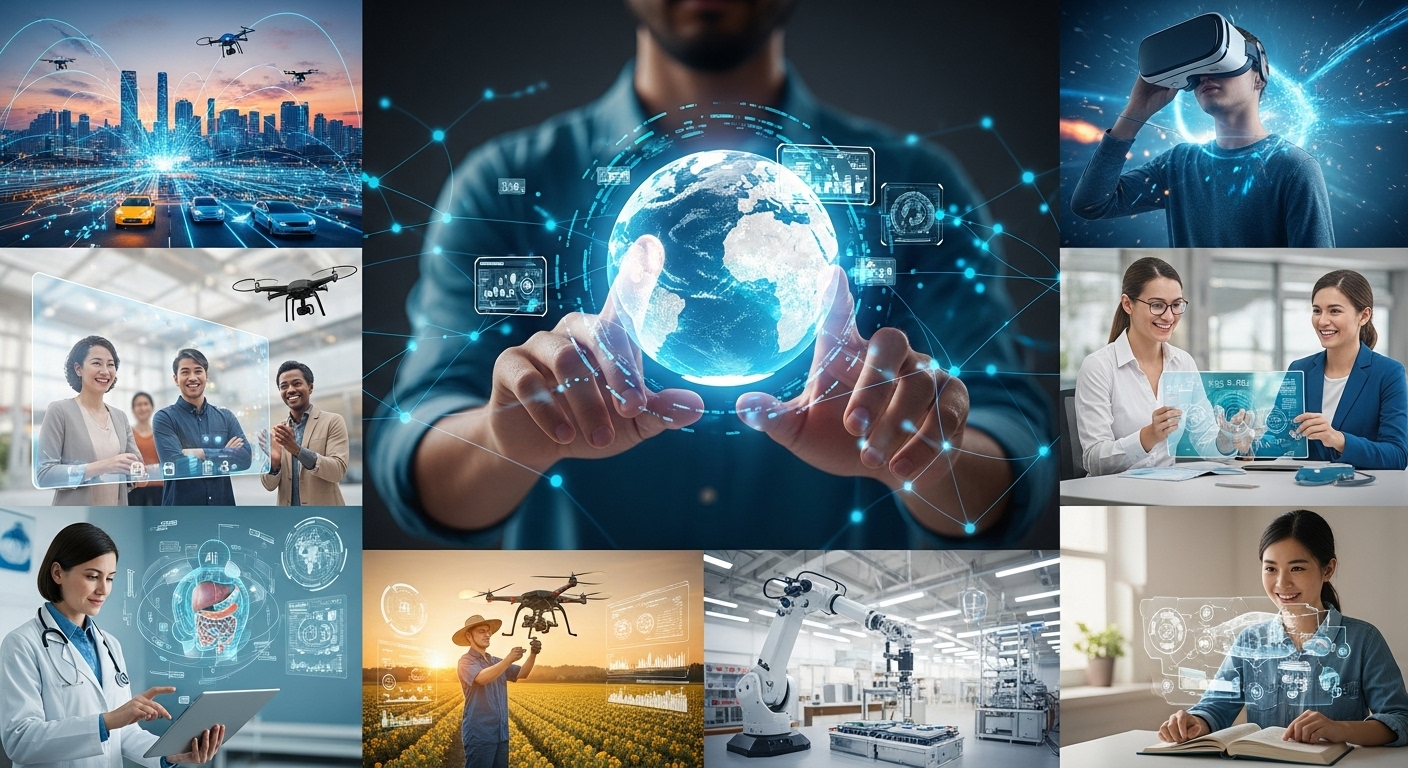
Technology is no longer just a collection of tools, devices, or software systems. It has evolved into a living force that shapes how people think, communicate, work, and even dream. From the moment we wake up to the instant we fall asleep, technology influences our decisions in subtle and powerful ways. What once served human needs now actively reshapes human behavior, culture, and identity. This transformation is not loud or dramatic; it is gradual, deeply embedded, and profoundly impactful.
This blog explores how modern technology has moved beyond functionality to become a defining element of contemporary life. It examines its influence on communication, work, creativity, ethics, and the future of human potential.
The Shift from Tools to Ecosystems
In the past, technology existed as individual tools designed for specific purposes. A telephone was for calling, a computer was for calculations, and a camera was for capturing moments. Today, technology functions as interconnected ecosystems. Smartphones combine communication, entertainment, navigation, education, and commerce into a single device. Cloud platforms connect millions of users and businesses in real time, creating digital environments that mirror physical societies.
This shift has changed how people interact with technology. Instead of consciously using tools, people now live inside digital systems. Notifications guide attention, algorithms influence choices, and platforms shape opinions. Technology has become less visible yet more powerful, blending seamlessly into daily routines.
Artificial Intelligence and the New Intelligence Era
Artificial intelligence represents one of the most transformative developments in modern tech. Unlike traditional software that follows fixed instructions, AI systems learn, adapt, and make decisions based on data. This capability allows machines to perform tasks once thought to be uniquely human, such as recognizing speech, interpreting images, and generating creative content.
AI is changing industries at an unprecedented pace. In healthcare, it assists in early diagnosis and personalized treatment. In education, it adapts learning experiences to individual needs. In business, it predicts market trends and automates complex operations. However, AI also raises important questions about accountability, transparency, and the role of human judgment. As machines become smarter, society must decide how much control to delegate and how to preserve human values in automated systems.
The Evolution of Work in a Digital World
Work has undergone a dramatic transformation due to technology. Remote work, digital collaboration tools, and automation have redefined what it means to have a job. Physical offices are no longer the center of productivity, and traditional nine-to-five schedules are giving way to flexible, results-driven models.
Technology has created new opportunities while eliminating others. Roles in data analysis, cybersecurity, and digital marketing have emerged, while repetitive manual tasks are increasingly automated. This shift demands continuous learning and adaptability. The most valuable skills today are not limited to technical expertise but include critical thinking, creativity, and emotional intelligence. Technology rewards those who can evolve alongside it.
Communication in the Age of Instant Connection
Modern communication is faster, broader, and more accessible than ever before. Social media platforms, messaging apps, and video calls allow people to connect across continents instantly. Information spreads within seconds, shaping public opinion and cultural trends in real time.
However, this constant connectivity comes with challenges. The line between meaningful interaction and digital noise is often blurred. While technology enables connection, it can also lead to isolation, misinformation, and reduced attention spans. The challenge for modern society is to use communication technologies consciously, ensuring they enhance relationships rather than replace genuine human connection.
Creativity Redefined by Technology
Technology has expanded the boundaries of creativity. Digital tools allow artists, writers, musicians, and designers to experiment with new forms of expression. Artificial intelligence can generate music, write stories, and create visual art, challenging traditional definitions of creativity.
Rather than replacing human imagination, technology acts as a collaborator. It accelerates creative processes, removes technical barriers, and opens doors for people who may not have access to traditional resources. Creativity is no longer limited by geography, education, or equipment. Anyone with an idea and a device can contribute to global culture.
Data as the New Foundation of Power
Data has become one of the most valuable resources in the digital age. Every online interaction generates information that can be analyzed to understand behavior, preferences, and trends. Companies use data to personalize experiences, governments use it to improve services, and researchers use it to solve complex problems.
At the same time, data collection raises serious concerns about privacy and control. The balance between innovation and individual rights is delicate. Responsible data practices, transparency, and strong ethical standards are essential to ensure that data serves humanity rather than exploits it.
Ethics and Responsibility in Technological Growth
As technology grows more powerful, ethical considerations become increasingly important. Decisions made by developers and companies can affect millions of lives. Issues such as algorithmic bias, digital inequality, and environmental impact cannot be ignored.
Ethical technology development requires collaboration between engineers, policymakers, educators, and communities. It demands a long-term perspective that prioritizes human well-being over short-term profit. Responsible innovation ensures that technological progress aligns with shared values and contributes to a more just and inclusive world.
Technology and Human Identity
Technology influences not only what people do but also how they see themselves. Online identities, digital footprints, and virtual communities shape self-expression and social belonging. People curate their lives through screens, blending reality with digital representation.
This shift challenges traditional notions of identity and authenticity. While technology provides platforms for self-discovery and connection, it also creates pressure to conform to digital norms. Understanding and navigating this new landscape is essential for maintaining mental health and personal integrity.
Preparing for the Future of Technology
The future of technology is not predetermined; it is shaped by human choices. Emerging fields such as quantum computing, biotechnology, and immersive digital environments promise to further transform society. Preparing for this future requires education systems that emphasize adaptability, ethics, and lifelong learning.
Individuals must develop digital literacy, not just in using technology but in understanding its implications. Societies must invest in inclusive access to ensure that technological benefits are shared broadly rather than concentrated among a few.
Conclusion: Technology as a Human Story
Technology is often described in terms of innovation, efficiency, and disruption, but at its core, it is a human story. It reflects human curiosity, ambition, and creativity. Every technological advancement carries the values and intentions of its creators.
As technology continues to evolve, the central question is not what machines can do, but what humans choose to do with them. When guided by wisdom, empathy, and responsibility, technology has the power to enrich lives, strengthen communities, and expand human potential. The future of technology is ultimately the future of humanity itself, written line by line in code, culture, and conscious choice.