
Technology is rapidly evolving, and each breakthrough opens the door to endless possibilities. What was once considered futuristic is now part of our everyday lives, with innovations transforming everything from communication to transportation, healthcare, and entertainment. As we continue to embrace and integrate these advances, it’s important to step back and understand the scope of this technology revolution. In this blog, we will explore the transformative tech shaping our world today and its potential impact on tomorrow.
The Speed of Technological Change: A Look at the Past and Present
Technology has been evolving since the dawn of humanity, but the pace of change in the last century has been unprecedented. The 20th century saw the advent of the computer, the internet, and mobile phones—each of which fundamentally reshaped society. However, it’s the 21st century that has witnessed an explosion in technological advancements.
Take the example of smartphones: what began as simple mobile devices for communication has evolved into powerful, multifunctional gadgets capable of running complex applications, facilitating remote work, and providing instant access to the world’s information. Likewise, the internet, which started as a network of academic institutions, has become a global platform for commerce, social interaction, and entertainment.
Today, technology is no longer just a tool to improve efficiency; it’s a catalyst for social, economic, and cultural transformation. Industries are adapting at an accelerated pace, and even the most established sectors are beginning to embrace the digital shift. The intersection of artificial intelligence (AI), machine learning, and data analytics has made it possible to predict consumer behavior, automate routine tasks, and solve complex problems that were once thought unsolvable.
Artificial Intelligence: Changing the Way We Live and Work
Artificial Intelligence (AI) is perhaps the most powerful and transformative technology of our time. In its simplest form, AI refers to the development of machines and software capable of performing tasks that typically require human intelligence, such as decision-making, problem-solving, and learning.
In industries like healthcare, AI is being used to revolutionize diagnostics. Machine learning algorithms can analyze medical images and identify conditions such as cancer or heart disease with incredible accuracy. In finance, AI-powered algorithms are streamlining investment decisions and fraud detection. In the field of customer service, chatbots and virtual assistants powered by AI are handling routine inquiries, allowing human agents to focus on more complex issues.
AI’s potential to reshape the workforce cannot be overstated. While there is concern that AI could replace jobs, it also has the power to create new opportunities. Automation and machine learning can handle repetitive, manual tasks, freeing up human workers to engage in more creative and strategic endeavors. Additionally, AI is driving innovation in fields like robotics, where robots can assist in complex surgery or aid in disaster response, potentially saving lives.
However, as AI continues to evolve, we must also address ethical concerns. The potential for bias in AI algorithms, privacy issues, and the impact of automation on employment all require thoughtful consideration and regulation.
Quantum Computing: The Next Frontier of Innovation
While AI is already making waves, another cutting-edge technology that promises to change the landscape of computing is quantum computing. Unlike traditional computers that process information in binary form (0s and 1s), quantum computers leverage the principles of quantum mechanics to perform calculations at speeds far greater than current systems.
Quantum computing has the potential to solve problems that are beyond the reach of classical computers. This includes complex simulations in fields like chemistry, where quantum computers could model molecular interactions to discover new drugs. In cryptography, quantum computers could potentially break current encryption methods, but they could also lead to the development of more secure encryption techniques.
While quantum computing is still in its infancy, the implications for industries ranging from finance to logistics are enormous. For example, quantum computing could drastically improve optimization problems, such as supply chain management or predicting stock market trends. However, the technology is also extremely difficult to develop, requiring vast computational resources and expertise in quantum mechanics. Despite these challenges, quantum computing is one of the most exciting areas of research, and its potential impact could be revolutionary.
The Internet of Things: Connecting the World Like Never Before
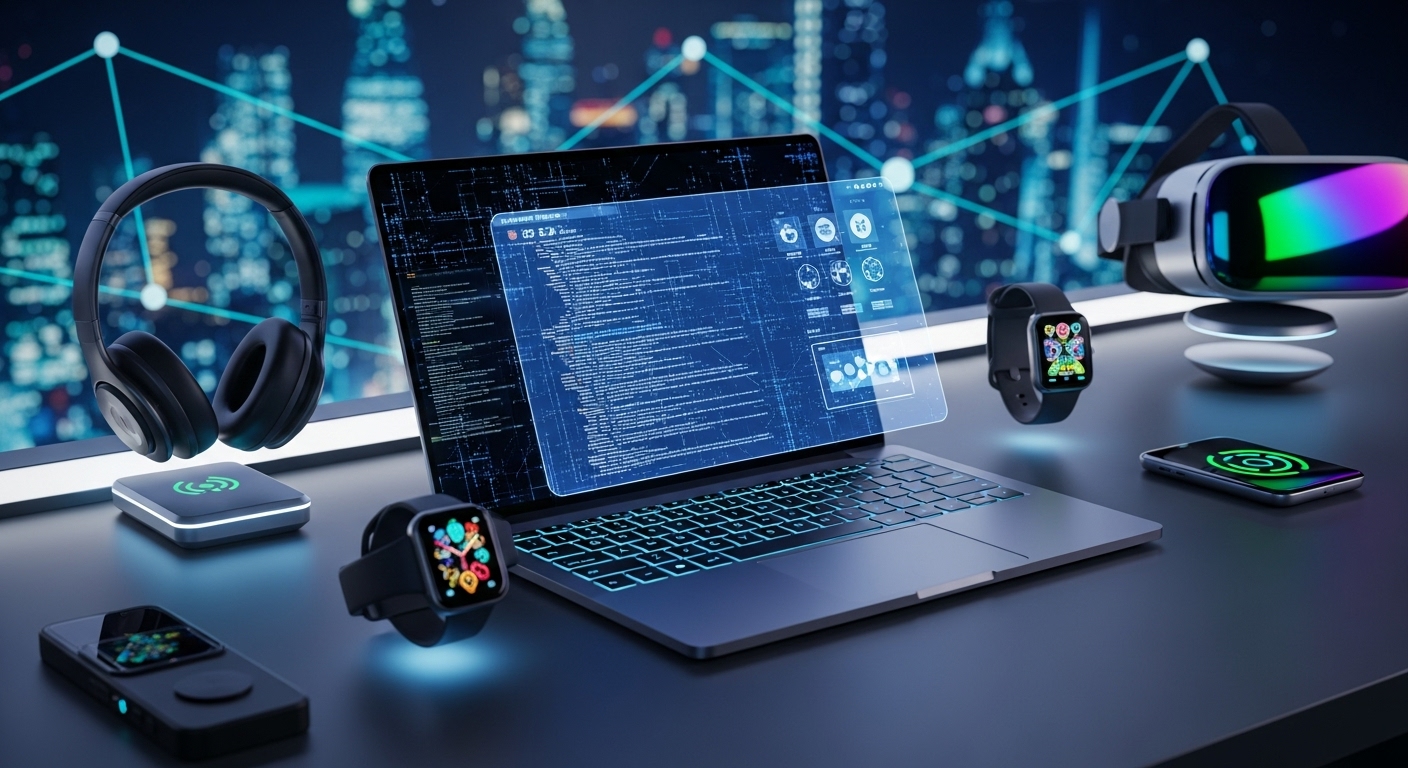
The Internet of Things (IoT) is another game-changing technology that’s transforming the way we interact with the world. IoT refers to the network of physical devices—such as smartphones, wearables, home appliances, and even cars—that are connected to the internet and can communicate with each other.
In the home, IoT devices such as smart thermostats, voice assistants, and connected refrigerators are making life more convenient. These devices can learn from user behavior and automate tasks, like adjusting the temperature or ordering groceries. In healthcare, IoT-enabled devices are used for remote monitoring of patients, enabling doctors to track vital signs and adjust treatments in real-time.
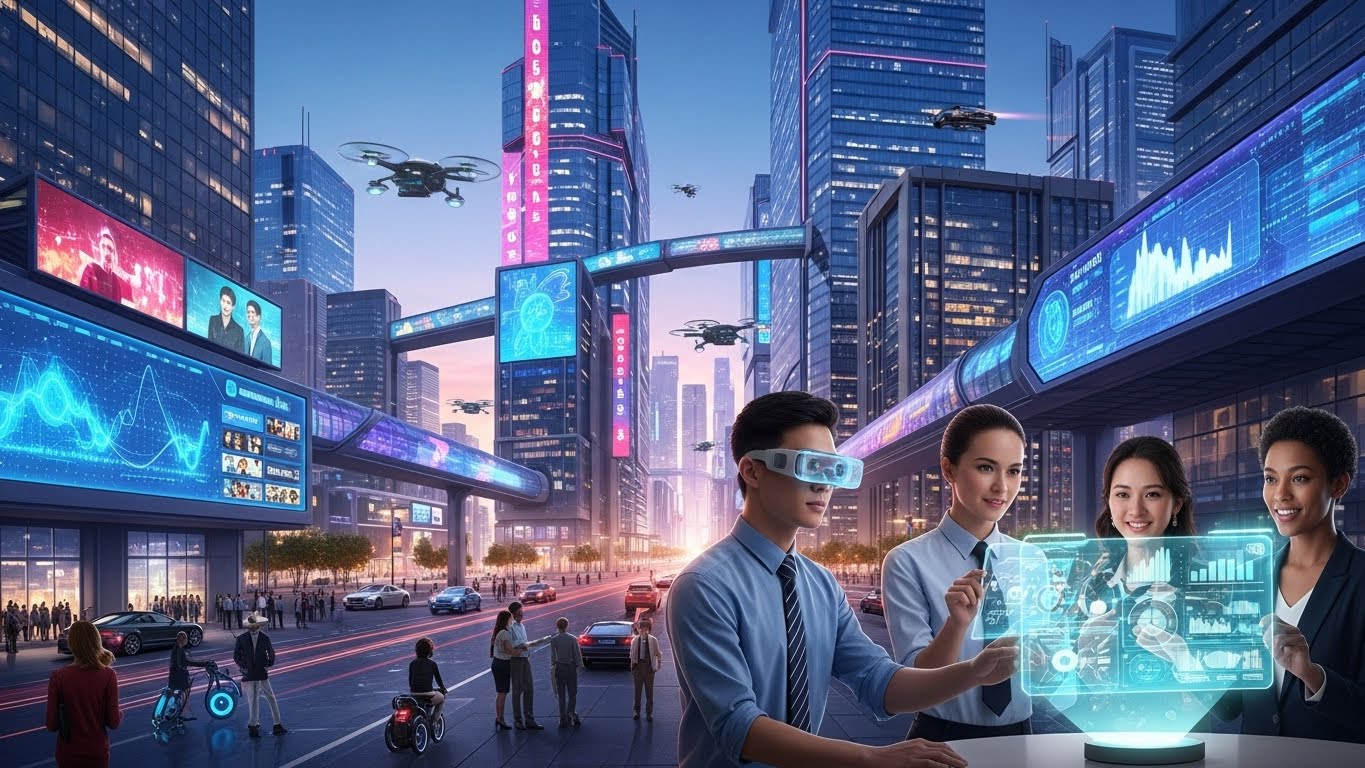
For businesses, IoT has opened up new opportunities for efficiency. Manufacturing facilities can use IoT sensors to monitor machinery performance, reducing downtime and improving productivity. In logistics, IoT enables real-time tracking of goods, helping companies optimize routes and reduce costs. Additionally, cities are becoming smarter through IoT, with connected infrastructure managing traffic, waste, and energy use more effectively.
While the potential of IoT is enormous, it also presents significant challenges, particularly in terms of security and data privacy. With billions of devices connected to the internet, the risk of cyberattacks increases. Ensuring that IoT devices are secure and that data is protected will be crucial to the widespread adoption of this technology.
5G Connectivity: Enabling a New Era of Communication
One of the most anticipated technologies in recent years is the rollout of 5G networks. The fifth generation of wireless technology promises to deliver faster speeds, lower latency, and more reliable connections than ever before. This will have profound implications for various industries, particularly those that rely on real-time data transmission.
In healthcare, 5G will enable remote surgeries and real-time monitoring of patients, allowing doctors to provide high-quality care no matter where they are located. In entertainment, 5G will support the growth of augmented reality (AR) and virtual reality (VR), offering immersive experiences with no lag or delay. For autonomous vehicles, 5G will be crucial in enabling real-time communication between cars and infrastructure, improving safety and efficiency.
The benefits of 5G go beyond faster internet. With its ability to support more connected devices, 5G will be a key enabler of the Internet of Things, allowing billions of devices to communicate with each other seamlessly. However, the rollout of 5G will also require significant investment in infrastructure and raise concerns about potential health risks and data privacy issues.
Blockchain: The Future of Trust and Transparency
Blockchain is another technology that has gained significant attention in recent years, largely due to its association with cryptocurrencies like Bitcoin. However, blockchain has far-reaching potential beyond digital currency. At its core, blockchain is a decentralized ledger that records transactions across multiple computers, making it nearly impossible to alter or hack.
In industries like finance, blockchain is being used to streamline transactions and reduce fraud. Instead of relying on intermediaries such as banks, blockchain allows for peer-to-peer transactions that are faster, cheaper, and more secure. In supply chain management, blockchain provides a transparent, tamper-proof record of goods as they move from production to delivery. This increases accountability and helps businesses ensure the authenticity of their products.
Beyond these applications, blockchain has the potential to revolutionize fields like healthcare, real estate, and voting systems. However, widespread adoption of blockchain technology will require overcoming challenges related to scalability, regulation, and energy consumption.
The Future of Work: Remote, Automated, and Flexible
As technology continues to advance, the nature of work is also changing. The COVID-19 pandemic accelerated the shift to remote work, and now, many companies are embracing hybrid work models that combine in-person and remote options. Technologies like video conferencing, cloud computing, and collaboration tools have made it easier for teams to work together from anywhere in the world.
Automation is also transforming the workplace. AI and robotics are increasingly taking over routine tasks, allowing human workers to focus on more complex and creative work. While automation may lead to job displacement in some industries, it also creates new opportunities for workers with skills in technology, data analysis, and problem-solving.
The future of work will be characterized by flexibility, with employees having greater control over their schedules and work environments. However, this shift will also require businesses to invest in new technologies and adapt their management strategies to support remote and distributed teams.
Conclusion: Embracing the Future of Technology
The technology revolution is well underway, and we are just beginning to scratch the surface of what’s possible. From AI and quantum computing to blockchain and 5G, these innovations are transforming the way we live, work, and interact with the world. While the rapid pace of change presents challenges, it also offers unparalleled opportunities for growth, creativity, and problem-solving.
As we move forward, it’s important to remember that technology is a tool. It is up to us to guide its development and use it responsibly to create a better, more inclusive, and sustainable future. The possibilities are endless, and the future of technology is full of promise. By embracing change, staying curious, and adapting to new advancements, we can help shape the world of tomorrow.