Introduction
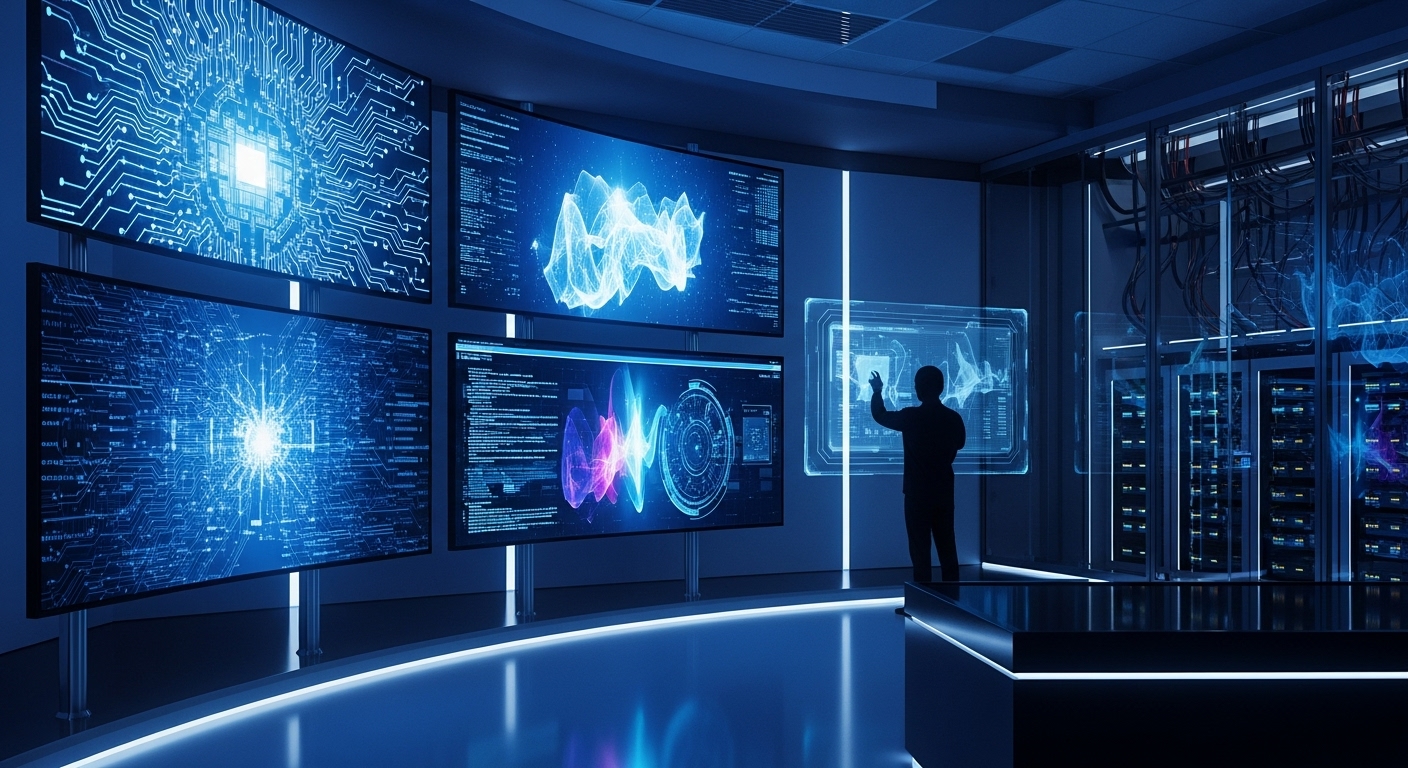
In the twenty-first century, technology has become the invisible engine driving the world forward. It operates silently in the background of our lives, shaping industries, economies, and even our thoughts. What was once unimaginable is now a part of daily reality. From the smartphone in your pocket to the algorithms that personalize your online experience, technology defines modern existence. The silent revolution is not about loud inventions but about subtle integrations that make life more efficient, connected, and intelligent. As we explore this digital era, it becomes clear that technology is not merely a tool—it is a living ecosystem that evolves alongside humanity.
The Digital Transformation of Human Society
The digital revolution has changed how humans interact, learn, and communicate. Gone are the days when information was confined to libraries or printed media. The internet has democratized knowledge, allowing anyone with a device to access global information instantly. Digital platforms have become social spaces, marketplaces, and classrooms. From entertainment to education, every aspect of human life now exists in digital form. This transformation has also reshaped human relationships. Social interactions, once limited by geography, now thrive in virtual spaces. Businesses conduct meetings through digital platforms, friends communicate through video calls, and families share memories online. The world has become smaller, yet more connected than ever.
Artificial Intelligence and the Rise of Smart Systems
Artificial Intelligence, often referred to as AI, stands as one of the most influential technologies of our age. It has moved far beyond science fiction, becoming a powerful reality in every industry. AI can now learn, analyze, and make decisions, mimicking human intelligence while surpassing it in speed and precision. Everyday examples include voice assistants, predictive search results, and recommendation systems. In healthcare, AI algorithms help diagnose diseases earlier and suggest treatment options. In finance, it predicts market trends and automates complex transactions. In education, AI tools personalize learning to match each student’s strengths and weaknesses. Yet, the growing presence of AI also sparks debates about privacy, ethics, and employment. While it promises convenience and progress, it demands responsible development and governance to prevent misuse.
The Internet of Things: Creating a Smarter World
The Internet of Things, or IoT, refers to a network of interconnected devices that communicate and share data. It turns ordinary objects into intelligent systems capable of collecting and analyzing information. From smart refrigerators that monitor groceries to wearable devices that track health, IoT has integrated deeply into modern life. Cities are also becoming smarter through connected infrastructure that manages traffic, lighting, and waste collection. This connectivity improves efficiency and reduces human error, but it also introduces concerns about security and data privacy. As the world becomes increasingly interconnected, protecting digital ecosystems will be just as important as building them.
5G and the Era of Ultra-Connectivity
The arrival of 5G technology marks a monumental leap in communication speed and reliability. It enables faster data transfer, lower latency, and more stable connections, creating new possibilities for industries and individuals. With 5G, innovations like autonomous vehicles, remote surgeries, and augmented reality can function seamlessly. This new standard of connectivity also supports the growing network of IoT devices, ensuring that millions of machines can communicate simultaneously. For businesses, 5G enables real-time collaboration, smarter logistics, and enhanced digital experiences. For consumers, it delivers immersive gaming, instant downloads, and smooth streaming. The introduction of 5G is not just an upgrade in speed; it is the foundation of a fully connected digital future.
Cloud Computing: Powering the Global Digital Infrastructure
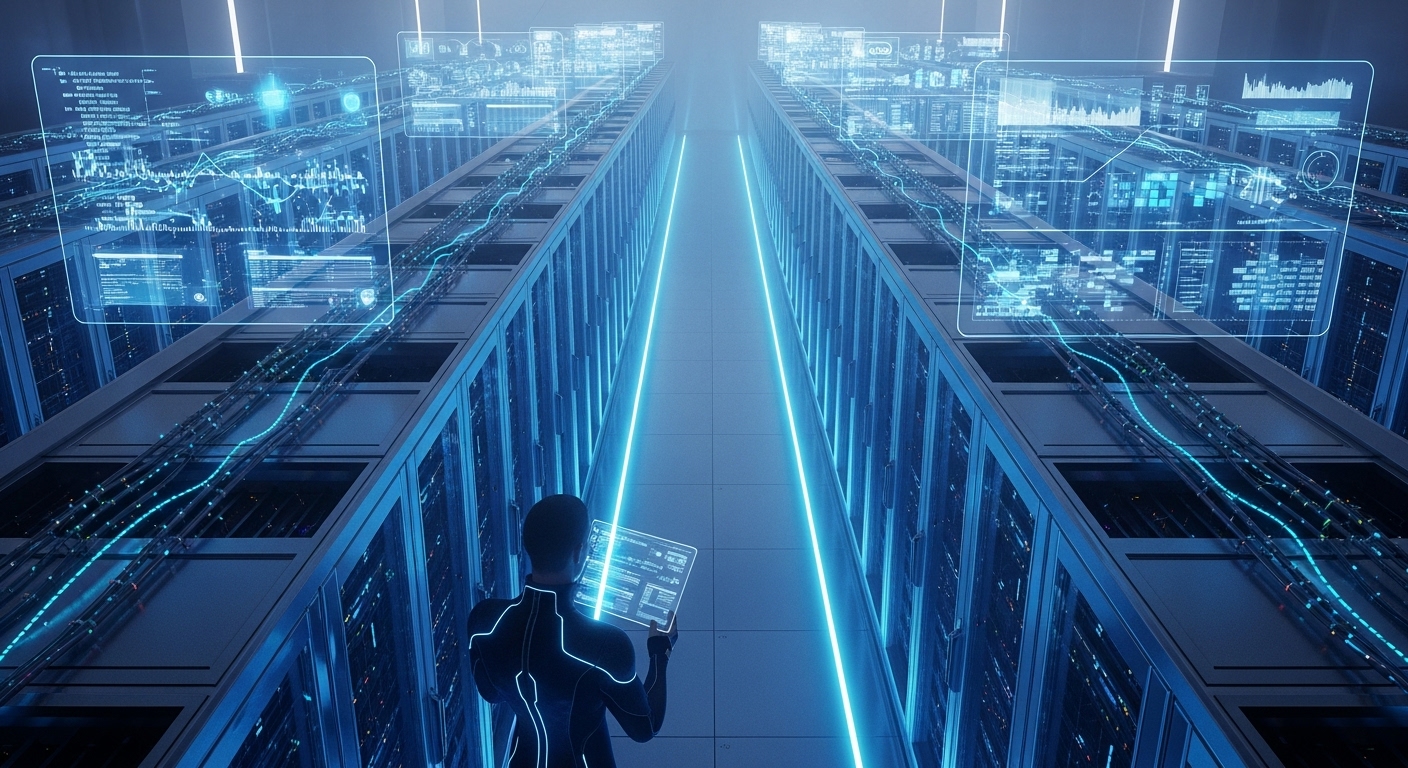
Behind every modern digital service lies the invisible power of cloud computing. It allows data to be stored, processed, and accessed remotely rather than on local devices. This shift from traditional infrastructure to the cloud has revolutionized business operations. Companies can scale quickly, collaborate across borders, and reduce costs. The cloud provides flexibility, ensuring that resources are available on demand. Individuals benefit too, as photos, documents, and applications can be accessed anytime, anywhere. Beyond convenience, cloud computing has become vital for artificial intelligence and big data analytics, enabling massive computational power. It represents the digital backbone of innovation, ensuring that technology remains agile and efficient in a constantly changing world.
Cybersecurity: Guarding the Digital Realm
With the growing dependence on technology comes the growing threat of cybercrime. Cybersecurity has become one of the most critical fields in the modern era. From identity theft to ransomware attacks, digital threats can disrupt businesses and compromise personal data. Every click, download, or online transaction carries potential risk. Therefore, individuals and organizations must adopt strong digital defenses. Modern cybersecurity uses encryption, multi-factor authentication, and AI-powered systems to detect and prevent breaches. However, technology alone is not enough; awareness is equally essential. Human error remains one of the leading causes of cyber incidents. Building a culture of digital responsibility is as important as developing advanced protection tools.
Automation and Robotics: Redefining Work and Industry
Automation and robotics are transforming how industries operate. Machines and software now handle repetitive and dangerous tasks, increasing efficiency and reducing costs. In factories, robots assemble products with speed and accuracy. In agriculture, automated systems monitor soil and crop conditions to improve yield. Even in service sectors, chatbots and virtual assistants handle customer queries instantly. However, automation raises questions about the future of employment. While some jobs are being replaced, new opportunities are emerging in technology development, maintenance, and design. The key lies in reskilling and embracing a mindset of lifelong learning. Automation does not eliminate human value—it shifts it toward creativity, strategy, and innovation.
Biotechnology: Merging Life with Technology
One of the most fascinating areas of modern innovation is biotechnology. It combines biology and technology to create solutions for healthcare, agriculture, and environmental sustainability. In medicine, genetic engineering allows scientists to modify DNA to treat or prevent diseases. Personalized medicine tailors treatments based on an individual’s genetic makeup. In agriculture, biotechnology improves crop resistance and reduces the need for harmful pesticides. Beyond these, researchers are exploring biofabrication, where living cells are used to produce materials like leather and even human tissues. Biotechnology represents the next step in human evolution, bridging the gap between nature and technology.
Quantum Computing: The Future of Unimaginable Power
Quantum computing is often described as the next great leap in computing technology. Unlike traditional computers that use bits (ones and zeros), quantum computers use qubits, which can exist in multiple states simultaneously. This allows them to perform complex calculations far faster than classical computers. Quantum computing could revolutionize fields such as medicine, cryptography, and climate science by solving problems that currently take years to compute. Although still in its experimental phase, global efforts are underway to unlock its potential. Once fully developed, quantum computing will redefine the limits of human problem-solving capability and accelerate technological progress beyond imagination.
Green Technology and the Push for Sustainability
As environmental concerns grow, technology is playing a crucial role in building a sustainable future. Green technology focuses on reducing carbon emissions, conserving energy, and minimizing waste. Solar panels, wind turbines, and electric vehicles are becoming symbols of this eco-conscious revolution. Smart grids balance energy consumption efficiently, while sustainable materials reduce industrial pollution. Even in the tech industry, companies are focusing on eco-friendly production and recycling. The goal is to ensure that progress does not come at the cost of the planet. Sustainability is not just a trend—it is a necessity that defines the ethics of modern innovation.
The Ethical Challenges of Technological Growth
While technology offers progress, it also raises moral and ethical questions. Who controls data? How much privacy should individuals sacrifice for convenience? Can machines make ethical decisions? These are not abstract concerns—they are pressing issues of our time. Artificial intelligence, for example, can reflect human biases if not programmed carefully. Surveillance technologies, while enhancing security, can also threaten personal freedom. The balance between innovation and ethics is delicate and vital. Societies must establish strong moral frameworks and transparent regulations to guide technological development responsibly. The goal should be to ensure that technology enhances humanity rather than exploits it.
Education in the Age of Technology
The role of education has transformed dramatically through technology. Traditional classrooms are evolving into digital learning environments. Students can now access online resources, attend virtual lectures, and interact with educators from around the world. Artificial intelligence personalizes learning experiences, identifying each student’s strengths and weaknesses. Meanwhile, digital literacy has become an essential skill, as future jobs will rely heavily on technological proficiency. However, the challenge lies in ensuring equal access. The digital divide between developed and developing regions must be bridged to ensure that technology becomes a tool for empowerment, not exclusion.
The Future of Human and Machine Collaboration
The relationship between humans and machines is entering a new phase. Instead of competition, collaboration is becoming the focus. Machines handle precision and computation, while humans provide creativity, empathy, and ethics. The workplace of the future will be defined by this partnership. Augmented reality, brain-computer interfaces, and advanced robotics are creating environments where humans and technology operate side by side. This collaboration extends beyond work—it influences art, entertainment, and even emotional well-being. The challenge is to maintain balance, ensuring that human values remain at the center of technological progress.
Conclusion: The Path Ahead
Technology continues to evolve at a pace faster than society can sometimes comprehend. It is a force that can either build or destroy, depending on how it is directed. The silent revolution reshaping our world is not only about machines or code—it is about human vision and purpose. As we move deeper into the digital era, we must approach innovation with wisdom, responsibility, and compassion. The future belongs to those who can harness technology for the greater good. Whether it is through artificial intelligence, green energy, or biotechnology, the ultimate goal must be to enhance life, preserve the planet, and expand human potential. The silent revolution is already here—our task is to guide it toward a brighter, more humane tomorrow.