In an age where innovation is constantly reshaping the world we live in, the future of technology holds a promise that few could have imagined just a decade ago. From artificial intelligence (AI) to quantum computing, the rapid advancements are not just incremental; they’re revolutionary. Let’s take a deep dive into some of the most exciting technological trends shaping our future.
The Rise of Artificial Intelligence
Artificial Intelligence has already begun its transformation of industries across the globe. While AI has been around for a while, it’s only in recent years that its capabilities have truly been unlocked. AI is becoming integral in fields like healthcare, finance, and even the arts, enabling machines to learn from data, recognize patterns, and make decisions.
The ability of AI to automate tasks, provide real-time insights, and create new forms of creativity is paving the way for industries to rethink traditional workflows. Healthcare, for instance, is benefiting from AI-driven diagnostics and personalized treatments that were once unimaginable. In the coming years, AI is expected to evolve further, becoming more intelligent, intuitive, and integrated into everyday life.
Quantum Computing: The Next Frontier
Quantum computing represents one of the most intriguing frontiers of modern science. Unlike classical computers, which process information in binary (0s and 1s), quantum computers use qubits, which can exist in multiple states at once. This means they have the potential to perform complex calculations exponentially faster than traditional computers.
Although quantum computing is still in its early stages, the possibilities it opens up are staggering. From cracking complex encryption codes to solving problems that are currently beyond the capabilities of supercomputers, quantum computing could revolutionize industries from cryptography to drug discovery. It may even pave the way for breakthroughs in AI, creating smarter systems that can solve real-world problems with unprecedented accuracy.
5G and Beyond: The Connectivity Revolution
The rollout of 5G networks is one of the most significant advancements in mobile technology. With speeds up to 100 times faster than 4G, 5G is enabling a new era of connectivity, ushering in innovations like autonomous vehicles, smart cities, and the Internet of Things (IoT). As more devices become interconnected, the potential for seamless communication and automation grows exponentially.
5G technology also promises to transform industries like entertainment, education, and healthcare. Imagine streaming high-quality virtual reality experiences without lag, participating in remote surgeries with real-time precision, or having instant access to vast amounts of data. The future of 5G is not just about faster internet but a more connected world.
Biotechnology: Merging Tech and Life Sciences
The convergence of biotechnology and technology is accelerating, with new developments that were once the stuff of science fiction becoming a reality. CRISPR gene-editing technology, wearable health devices, and AI-powered drug discovery are just the beginning of what could be a revolution in healthcare.
Personalized medicine, where treatments are tailored to an individual’s genetic makeup, is one area where biotechnology and tech intersect in a powerful way. With advancements in AI, data analytics, and genomics, doctors can now predict and prevent diseases before they manifest, opening up new possibilities for both treatment and prevention.
The Internet of Things (IoT): A Smarter World
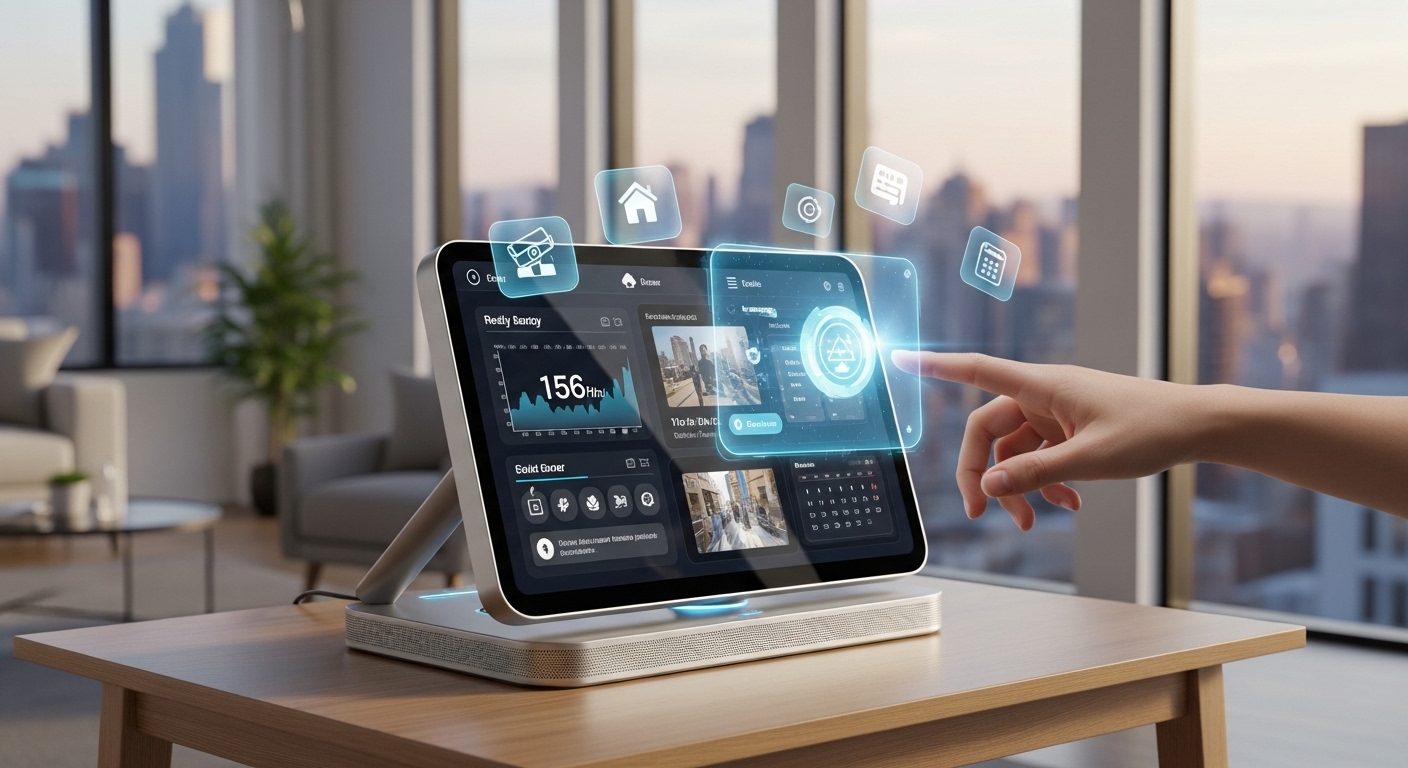
The Internet of Things (IoT) is already impacting the way we live, work, and play. By connecting everyday objects to the internet, IoT enables greater automation, efficiency, and convenience. Smart homes, for example, use IoT devices to automate everything from lighting and temperature control to security systems and even kitchen appliances.
But IoT’s potential goes far beyond the home. In industries like manufacturing, agriculture, and logistics, IoT devices are being used to collect real-time data, optimize processes, and reduce waste. As IoT technology becomes more advanced, the number of connected devices will continue to skyrocket, transforming the world into a smarter, more responsive place.
The Ethics of Emerging Technologies
As with any powerful tool, the advancement of technology comes with its ethical considerations. Issues like data privacy, job displacement due to automation, and the potential misuse of AI are among the many challenges that need to be addressed as these technologies continue to evolve.
It’s essential for tech companies, governments, and society to engage in ongoing conversations about the ethical implications of emerging technologies. How can we ensure that AI is used responsibly? What measures should be put in place to protect personal data? These are questions that need to be answered to ensure that technology benefits everyone, not just a select few.
Conclusion: Embracing the Future
The future of technology is both exciting and daunting. As we stand on the precipice of a new era, it’s clear that technology will continue to push boundaries, challenge norms, and reshape the very fabric of our society. But it’s also important to remember that the future isn’t set in stone—how we choose to embrace these technologies, and how we address the challenges that come with them, will ultimately determine their impact.
In the end, the future is bright, but only if we can balance progress with responsibility. Embracing the technologies of tomorrow today is the first step toward creating a world that is smarter, more connected, and more inclusive for all.