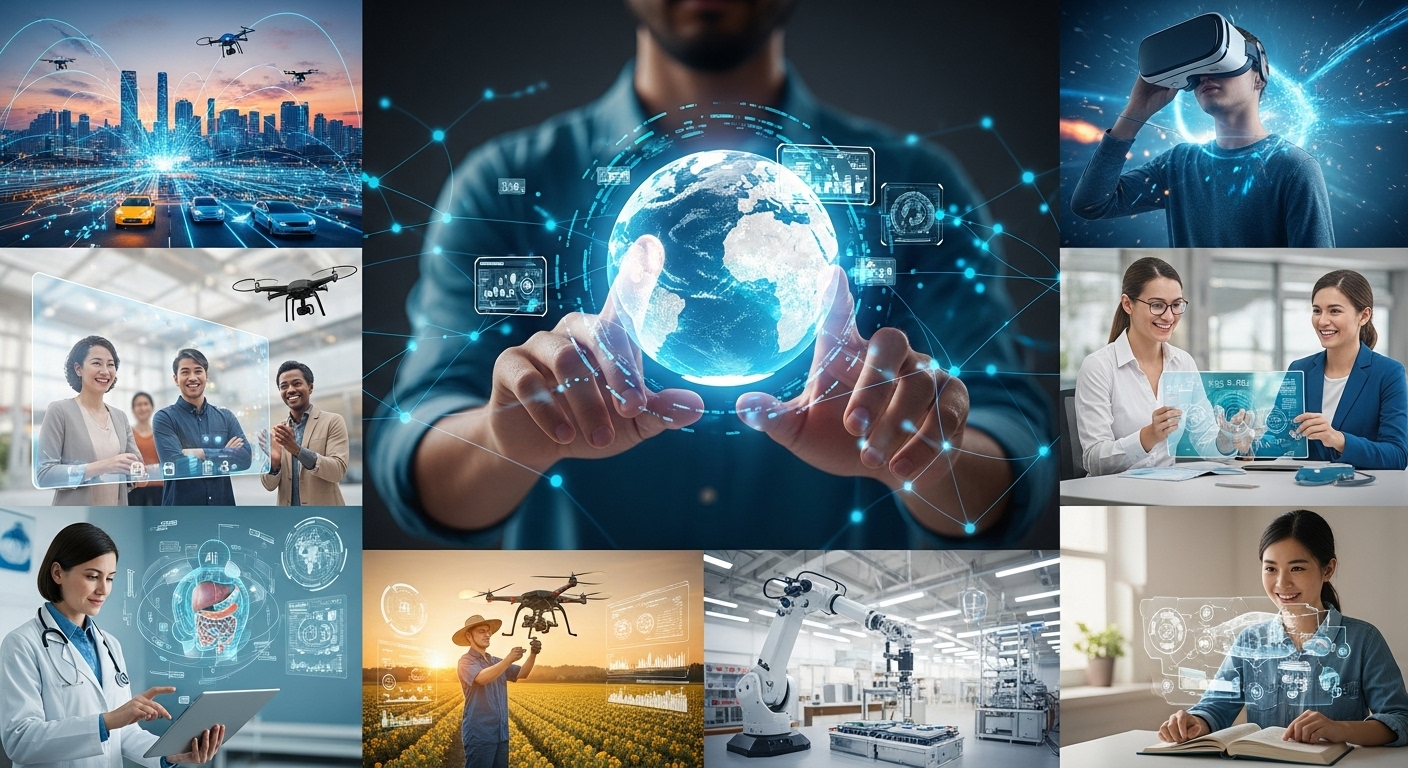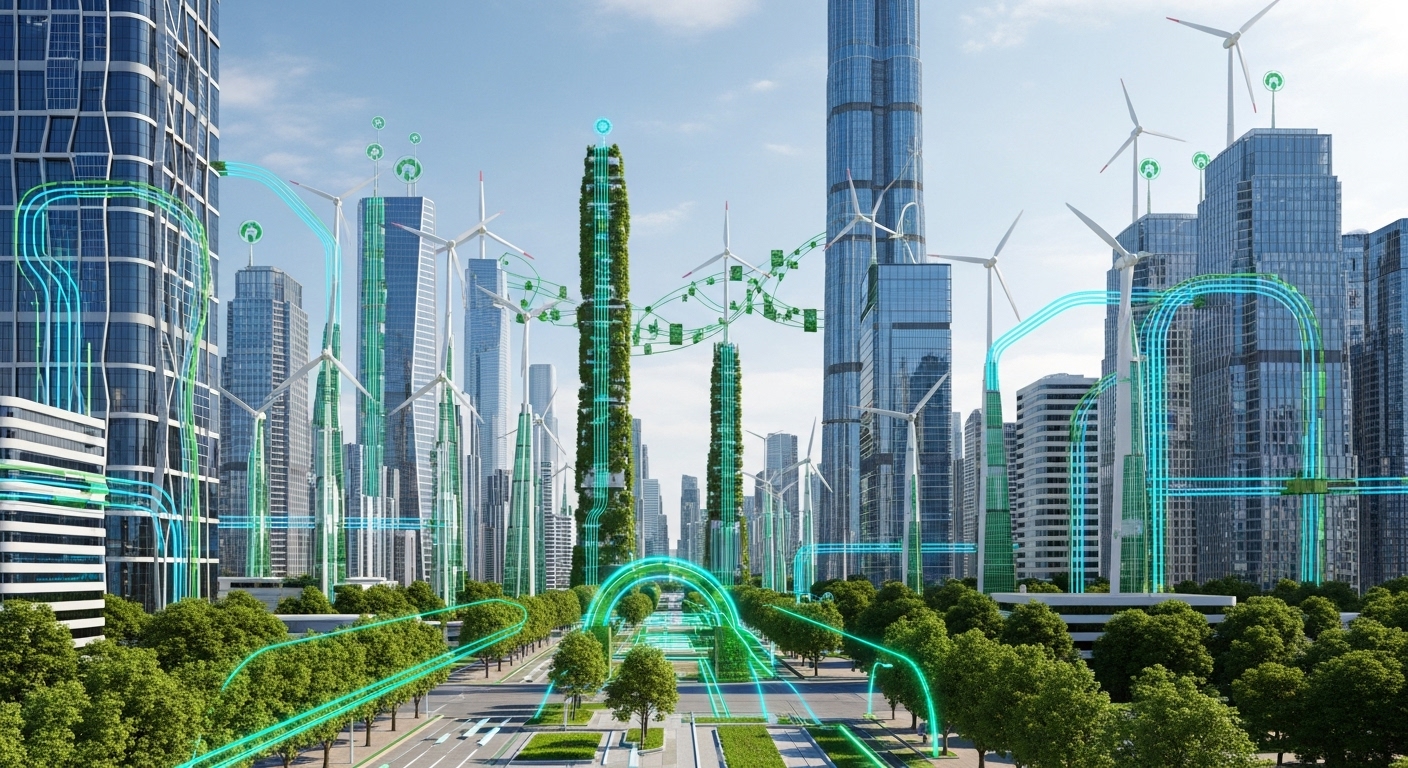

The rapid evolution of technology continues to influence nearly every aspect of our lives, from the way we work and communicate to the way we learn and entertain ourselves. As we stand on the threshold of the next technological revolution, it is essential to understand how current innovations are shaping the future. In this blog post, we will explore key areas of technological progress and how these changes are redefining industries, enhancing human experiences, and preparing us for a future driven by artificial intelligence, automation, and more.
The Rise of Artificial Intelligence (AI) and Machine Learning
Artificial intelligence (AI) is undoubtedly one of the most significant technological advancements of our time. From self-driving cars to voice assistants like Siri and Alexa, AI is gradually becoming integrated into everyday life. However, AI’s impact goes beyond simple automation tasks. Machine learning, a subset of AI, enables computers to learn from experience and adapt over time without human intervention. This capability has led to breakthroughs in numerous fields, including healthcare, finance, and entertainment.
In healthcare, AI-powered systems can analyze medical data to detect diseases early, predict patient outcomes, and even suggest personalized treatment plans. The ability to process vast amounts of data quickly and accurately is helping doctors make better-informed decisions and providing patients with more precise care.
In the financial sector, AI algorithms are transforming the way we invest and manage risk. Robo-advisors are now available to provide personalized investment advice based on an individual’s goals, risk tolerance, and market conditions. AI-powered tools are also used in fraud detection, helping financial institutions identify suspicious activities faster than traditional methods.
Machine learning’s application in entertainment is also noteworthy, with platforms like Netflix and Spotify using AI to recommend content tailored to users’ preferences. These systems are constantly evolving, providing consumers with a more personalized and engaging experience.
Automation and the Changing Workforce
Automation is another technological development that is drastically changing the way we work. Technologies such as robotics, machine learning, and artificial intelligence are allowing machines to take over repetitive, mundane tasks that were previously handled by humans. While this has led to fears of job displacement, automation also opens up opportunities for more meaningful and creative work.
In industries like manufacturing and logistics, robots are increasingly taking over tasks like assembly, packaging, and inventory management. This not only increases productivity but also reduces the risk of human error. Automated systems can work around the clock, without breaks or the need for rest, driving efficiency to new levels.
However, automation does not necessarily mean the elimination of jobs. Instead, it is reshaping the workforce by creating demand for new roles that require advanced skills in programming, data analysis, and robotics. Workers are being upskilled and reskilled to adapt to this new era of automation, making it essential for individuals to embrace lifelong learning.
Furthermore, the integration of AI and automation in the workplace is improving job safety. In dangerous industries such as mining or construction, robots and drones are being used to perform tasks that would otherwise put human workers at risk. This is not only reducing accidents but also increasing overall productivity and efficiency.
Blockchain: The Technology Behind Cryptocurrencies
Blockchain technology is another innovation that is disrupting various industries. Most commonly associated with cryptocurrencies like Bitcoin and Ethereum, blockchain has applications far beyond digital currencies. At its core, blockchain is a decentralized, distributed ledger that records transactions across multiple computers, making it nearly impossible to alter or hack the data.
In finance, blockchain technology is revolutionizing the way transactions are conducted. By providing a transparent, secure, and efficient method of transferring assets, blockchain eliminates the need for intermediaries like banks, reducing transaction costs and time. This has led to the rise of decentralized finance (DeFi) platforms, where users can lend, borrow, and trade assets without relying on traditional financial institutions.
In addition to its use in finance, blockchain is being explored for its potential in industries such as supply chain management, healthcare, and voting systems. For example, blockchain can provide greater transparency and traceability in supply chains, allowing consumers to verify the origin and quality of products they purchase. In healthcare, blockchain can be used to securely store and share patient medical records, ensuring privacy and reducing the risk of data breaches.
The potential applications of blockchain are vast, and as the technology matures, it is likely that we will see its integration into more sectors, reshaping everything from data management to identity verification.
The Internet of Things (IoT): Connecting the World
The Internet of Things (IoT) refers to the network of physical devices, vehicles, home appliances, and other objects that are embedded with sensors and software to collect and exchange data. IoT is transforming industries by creating smarter, more connected systems that allow for real-time data collection and analysis.
In smart homes, IoT devices such as thermostats, security cameras, and lighting systems can be controlled remotely through smartphones or voice assistants. These devices not only enhance convenience but also promote energy efficiency by automatically adjusting settings based on usage patterns.
In the healthcare sector, IoT is enabling remote patient monitoring. Wearable devices like smartwatches can track vital signs such as heart rate and blood pressure, sending data directly to healthcare providers for continuous monitoring. This allows for early detection of health issues and better management of chronic conditions.
In agriculture, IoT is being used to monitor soil conditions, weather patterns, and crop health, enabling farmers to make data-driven decisions that improve yields and reduce waste. Similarly, in logistics, IoT devices are used to track shipments in real-time, providing insights into delivery times and conditions.
The possibilities for IoT are endless, and as more devices become connected, we will see a growing network of intelligent systems that can work together to create smarter, more efficient environments.
Virtual Reality (VR) and Augmented Reality (AR): Blurring the Line Between Digital and Physical Worlds
Virtual reality (VR) and augmented reality (AR) are technologies that are rapidly gaining popularity in a variety of industries. Both VR and AR have the potential to transform entertainment, education, healthcare, and even business operations.
Virtual reality immerses users in a completely digital environment, often through the use of headsets and motion sensors. It has already revolutionized the gaming industry, providing players with highly immersive experiences. Beyond entertainment, VR is being used in training and simulations, allowing professionals in fields like aviation, medicine, and military operations to practice without risk.
Augmented reality, on the other hand, overlays digital elements onto the real world. Through devices like smartphones, AR enhances our physical surroundings with virtual objects or information. In retail, AR allows customers to try on clothes or visualize how furniture will look in their homes before making a purchase. In healthcare, AR can assist surgeons during operations by overlaying critical information onto the patient’s body.
As both VR and AR technologies continue to develop, they are set to transform industries by offering new ways of interacting with the digital and physical worlds.
5G: The Next Generation of Connectivity
The rollout of 5G networks is expected to revolutionize the way we connect to the internet, enabling faster speeds, lower latency, and more reliable connections. With 5G, the internet will become even more integrated into daily life, with seamless connections to devices, smart cities, and autonomous vehicles.
The ultra-fast speeds of 5G will enable advancements in areas such as telemedicine, remote work, and entertainment. For instance, doctors will be able to perform remote surgeries with real-time video feeds and minimal delay. The entertainment industry will benefit from 5G’s ability to stream high-quality content, including 4K and 8K videos, with virtually no buffering.
5G will also enable the development of new technologies like autonomous vehicles, which rely on high-speed, low-latency connections to communicate with each other and the surrounding environment. As cities become smarter, 5G will provide the backbone for IoT devices, enabling everything from traffic lights to waste management systems to operate more efficiently.
Conclusion: Embracing a Technologically Advanced Future
The technological advancements we are witnessing today are just the beginning of a much larger transformation. AI, automation, blockchain, IoT, VR, AR, and 5G are all converging to create a world that is more interconnected, efficient, and intelligent than ever before. While these innovations offer immense potential, they also come with challenges, including privacy concerns, ethical considerations, and the need for responsible development and implementation.
As individuals and organizations, it is essential to stay informed about these technological developments and be prepared to adapt to the changes they bring. Embracing new technologies and fostering a culture of continuous learning will ensure that we are ready to thrive in a world that is increasingly shaped by innovation.
The future is undoubtedly exciting, and the opportunities that lie ahead are boundless. The question is not whether we can keep up with these advancements, but how we can leverage them to create a better, more sustainable, and inclusive world for all.