Introduction to Modern Technology
Technology has become the invisible thread weaving through every part of modern life. From the moment people wake up and check the time on their mobile phone screens to the moment they fall asleep with smart lights automatically dimming, technology constantly interacts with them. It is no longer limited to machines or devices; it is a powerful force that defines how societies live, communicate, learn, work and dream. The concept of technology has evolved from simple tools like wheels and stones to sophisticated systems such as artificial intelligence, quantum computing and biotechnology. To understand the world today and predict the world of tomorrow, we must explore the world of technology in depth and detail.
The Historical Evolution of Technology
Technology did not emerge suddenly or accidentally. It has been a gradual progression of knowledge, innovation and creativity over thousands of years. Early humans created stone tools for survival, followed by metal tools during the Bronze and Iron Ages. These technological leaps helped civilizations grow farming, create weapons, build homes and trade across borders. The invention of the wheel transformed transportation while agriculture introduced stability to human life. Then came the Industrial Revolution, a major turning point in history. Machines powered by steam replaced manual labor, factories sprang up and mass production became possible. In the 20th century, electricity, telephones, automobiles and airplanes changed how people connected to each other and the world. The invention of computers in the mid-1900s marked the beginning of the digital age.
Rise of the Digital Age
The digital age began with machines that could calculate numbers and perform logical operations faster than any human. Early computers were huge, expensive and limited to scientific or military work. But as time passed, transistors and microchips made computers smaller, faster and affordable. Soon computers migrated from labs to offices and later to homes. The idea of the internet grew from a military research project to a vast global network connecting millions of devices. With the internet, information became easier to share, access and store. Emails replaced handwritten letters, websites replaced printed encyclopedias and search engines became digital libraries of endless knowledge. This marked the beginning of a new era where technology was not just a tool, but a necessity.
The Role of Mobile Technology
Mobile technology became one of the most influential innovations in history. The first mobile phones were heavy and used only for basic calls. Over time, they evolved into smartphones, combining the features of a computer, camera, calculator, music player and even a personal assistant in a single device. Smartphones brought the internet to people’s palms. Social media applications allowed instant communication, photo sharing and online communities. Mobile payments made transactions faster. Navigation apps helped people travel without asking for directions. The smartphone became more than a gadget; it became an essential companion. Modern mobile technology continues to evolve with features like facial recognition, augmented reality and high-resolution cameras.
Artificial Intelligence and Machine Learning
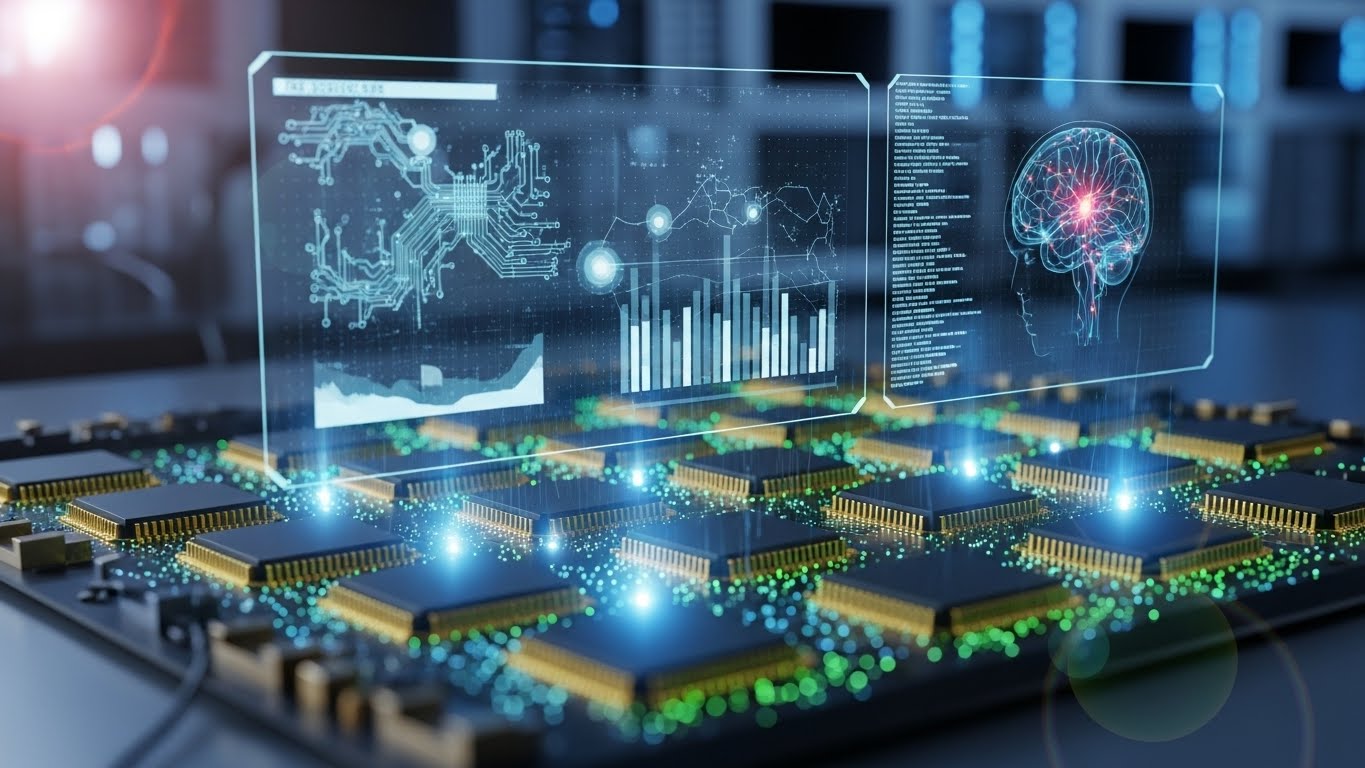
Artificial intelligence, or AI, is one of the most fascinating parts of modern technology. It refers to the ability of machines to think, learn and make decisions like humans. Machine learning is a branch of AI where computers learn from data rather than being directly programmed. AI can identify patterns, predict outcomes and solve complex problems. It is used everywhere from voice assistants like those in phones and homes to algorithms that recommend videos, movies or music based on user preferences. In hospitals, AI helps doctors analyze medical images and detect diseases more accurately. In transportation, AI powers self-driving cars that can navigate roads without human control. Though AI brings convenience, it also raises questions about job loss, privacy and ethics.
Automation and Robotics
Robots were once imaginary figures in science fiction novels and movies. Today, they are real and in action in many industries. Automation uses machines to perform tasks without human involvement. Robots work in factories assembling cars, packaging goods or welding metal parts with precision. They also assist in dangerous environments such as bomb defusal or deep-sea exploration. In agriculture, autonomous machines plant seeds, water crops and harvest produce. Service robots help in hospitals by delivering medicines and assisting patients. Though automation can replace certain jobs, it also creates opportunities in robot maintenance, programming and development. The goal of robotics is not to eliminate human involvement entirely, but to enhance efficiency and reduce risk.
Cloud Computing and Data Revolution
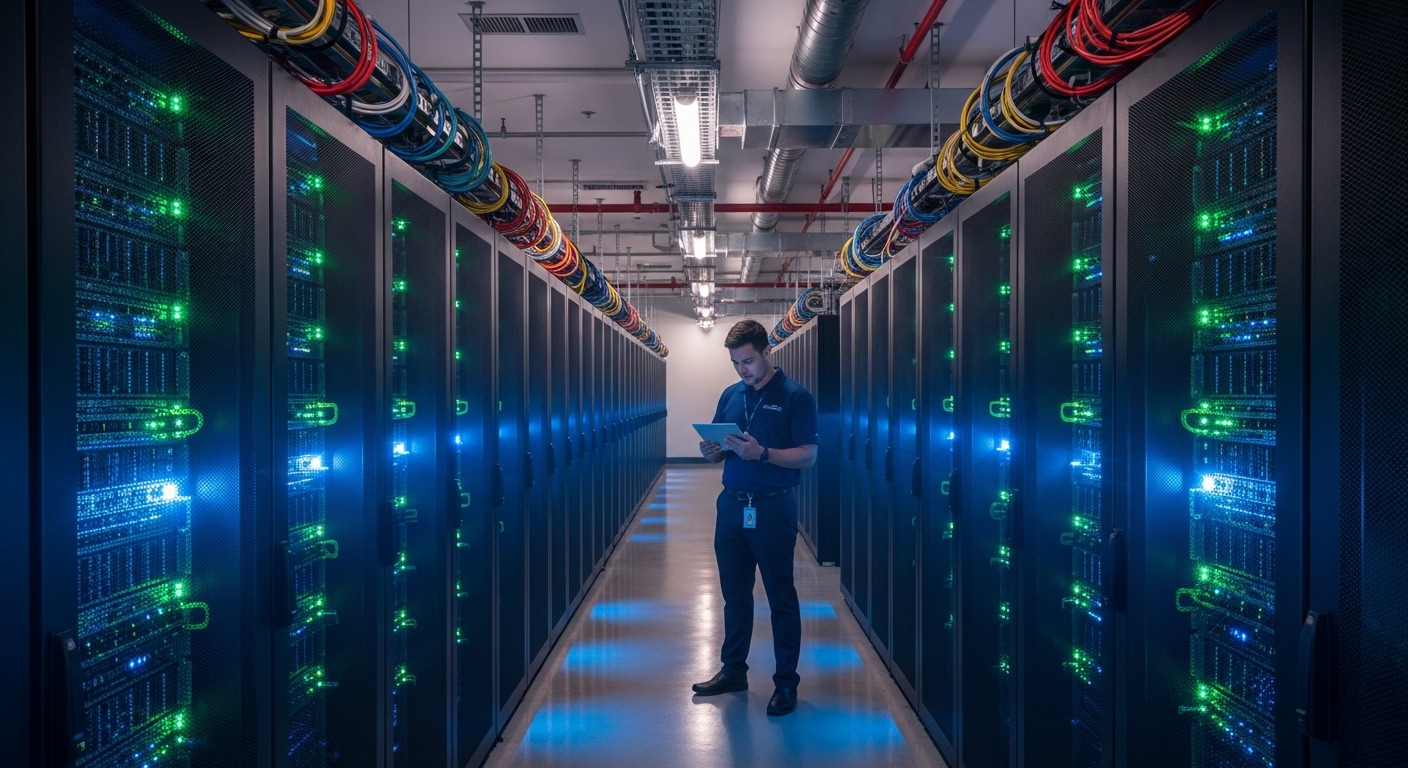
Cloud computing changed how data is stored and accessed. Instead of keeping files only on a personal device, people can store them on remote servers known as the cloud. This allows access from anywhere in the world as long as there is internet. Cloud services are used by individuals to store photos and by companies to manage large amounts of data. It eliminates the need for physical storage devices like USB drives or DVDs. Combined with this, data itself became a valuable asset. Companies collect data to understand customer behavior, improve services and make informed decisions. This is called data analytics or big data. Proper use of data helps in predicting trends, managing resources and creating personalized experiences for users.
Cybersecurity and Digital Threats
With the growth of technology, there is also an increase in digital threats. Cybersecurity refers to protecting systems, networks and data from unauthorized access, theft or damage. Hackers use viruses, malware or phishing techniques to steal personal information or disrupt systems. Cyberattacks can affect individuals, companies and even governments. To defend against these threats, cybersecurity experts develop firewalls, encryption methods and secure passwords. Users must also be cautious by avoiding suspicious links, using strong passwords and keeping software updated. Cybersecurity is not only a technical issue but also a responsibility shared by everyone using technology.
The Internet of Things
The Internet of Things or IoT refers to a network of interconnected devices that can communicate with each other and share data. These devices include everything from smart refrigerators and lights to wearable fitness trackers and industrial machines. IoT makes life more convenient and efficient. For example, a smart home can adjust room temperature automatically, lock doors remotely and notify owners of any unusual activity. Wearable devices monitor heart rate, sleep patterns and physical activity. In cities, IoT helps manage traffic, reduce energy usage and improve waste management. However, with increased connectivity comes greater concern about privacy and security.
5G and the Future of Connectivity
Connectivity is the backbone of modern technology. 5G, the fifth generation of wireless communication, promises faster internet speeds, lower delay and more reliable connections than previous generations. With 5G, downloading movies takes only seconds and video calls are smoother. It plays a crucial role in technologies like smart cities, remote surgeries and self-driving cars. Faster connectivity also supports the development of virtual reality and augmented reality by reducing response time. However, setting up 5G requires building many small towers and infrastructure, which has faced challenges and debates in different parts of the world.
Virtual Reality and Augmented Reality
Virtual reality or VR creates a simulated environment that users can see and interact with using special headsets. Augmented reality or AR overlays digital content onto the real world through devices like smartphones or glasses. VR is commonly used in gaming, education and training. For example, pilots use VR simulations to practice flying without risks. AR is used in navigation apps to display directions on real-world roads or in shopping apps to show how furniture looks in a room. These technologies enhance how people learn, play and work. They bring imagination closer to reality, allowing people to explore virtual worlds or improve their perception of the real world.
Technology in Education
Education has been dramatically transformed by technology. Digital classrooms, online learning platforms and smart boards have replaced traditional chalkboards and textbooks. Students can attend classes from home using laptops and internet connections. Educational apps make learning fun and interactive. Teachers use digital tools to create presentations, share notes and evaluate assignments. Technology also enables personalized learning where students learn at their own pace. Virtual reality brings history, science or geography lessons to life by allowing students to explore ancient civilizations or travel through space. Although technology makes education accessible, it also highlights the digital divide where some students lack access to devices or internet.
Healthcare and Medical Advancements
The healthcare field has benefited greatly from technology. Electronic medical records allow doctors to store and access patient history quickly. Telemedicine enables patients to consult doctors through video calls, especially when physical visits are not possible. Advanced machines such as MRI scanners and robotic surgery systems help diagnose and treat diseases with high precision. AI assists in analyzing medical data and predicting illnesses. Wearable devices track pulse, blood pressure and other health metrics, sending alerts in case of irregularities. Researchers use technology to create vaccines, conduct experiments and discover cures for diseases. However, high costs and lack of access remain challenges in many regions.
Transportation and Smart Mobility
Transportation has evolved from horse-drawn carriages to electric cars and airplanes. Today, technology aims for smarter, cleaner and faster mobility. Self-driving cars use sensors and AI to navigate roads, recognize traffic signals and avoid collisions. Electric vehicles reduce pollution by using rechargeable batteries instead of fuel. High-speed trains connect cities in hours. Ride-sharing platforms connect drivers with passengers through mobile apps. In the future, flying taxis and hyperloop transportation systems could further transform travel. Smart traffic systems use sensors and cameras to manage traffic flow and reduce jams. These innovations save time, reduce accidents and support sustainable development.
Space Technology and Exploration
Space technology is one of the most impressive achievements of humanity. From launching satellites to sending humans to the moon, technology has broken the boundaries of Earth. Satellites provide communication services, weather forecasts and navigation. Space telescopes capture images of distant galaxies and stars. Missions to Mars and other planets help scientists understand the origins of the universe and search for life beyond Earth. Private companies now participate in space exploration, making space travel more affordable and frequent. Space technology also contributes to Earth by monitoring climate change, deforestation and natural disasters. It inspires curiosity and pushes humans to dream beyond the skies.
Environmental Technology and Sustainability
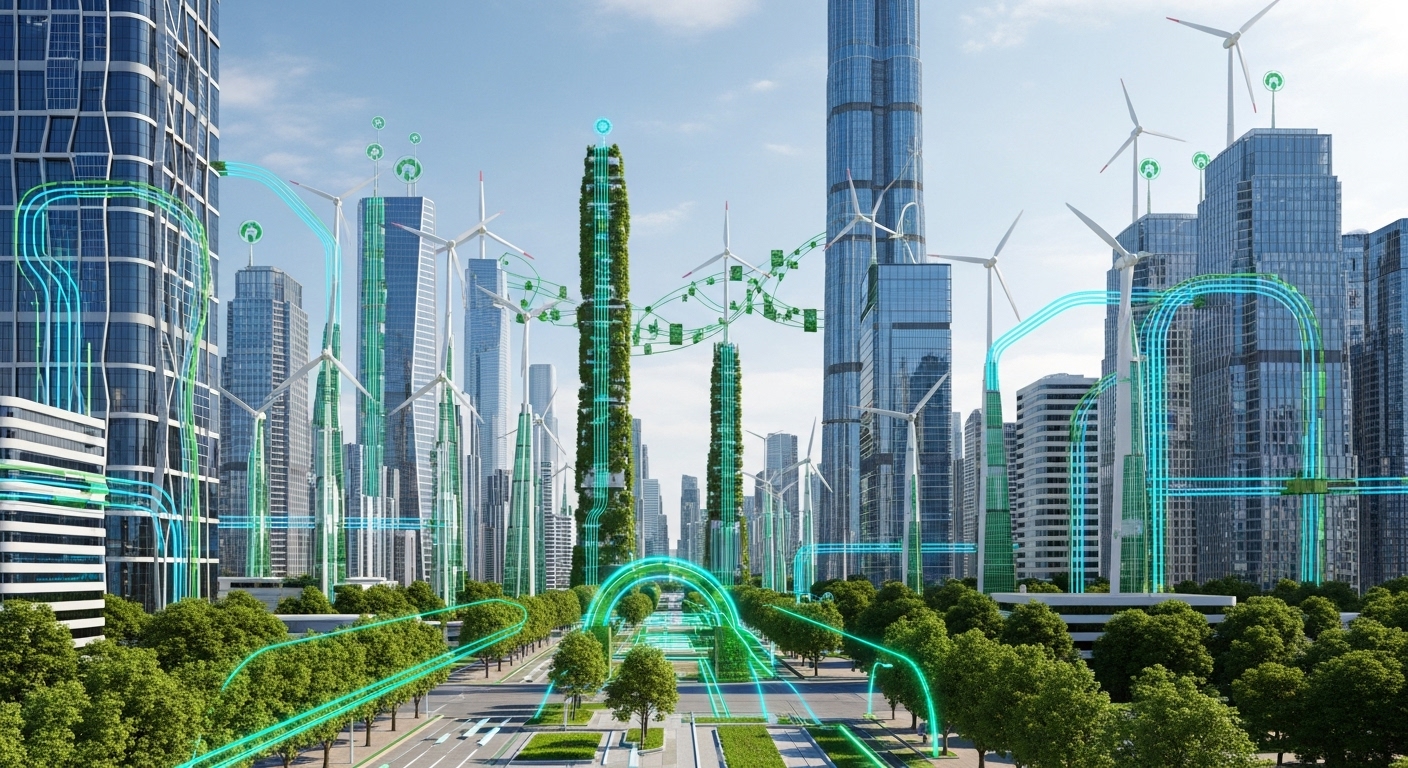
As the world faces climate change, technology offers solutions for a sustainable future. Renewable energy sources like solar, wind and hydroelectric power reduce dependence on fossil fuels. Solar panels convert sunlight into electricity. Wind turbines generate energy through wind power. Electric vehicles produce less pollution compared to traditional cars. Smart grids and energy-efficient appliances reduce wastage of resources. Recycling technologies help convert waste into useful materials. Environmental sensors monitor air quality, water purity and weather conditions. Sustainable technology aims to balance development with nature, ensuring the world remains livable for future generations.
Social Media and Digital Communication
Social media has transformed how people communicate and share experiences. Platforms allow users to post photos, videos, stories and thoughts instantly. They help people stay connected with friends and family, even if they live far away. Social media plays a powerful role in spreading news, raising awareness and promoting businesses. Influencers use digital platforms to reach large audiences and shape opinions. However, social media also has negative effects such as addiction, cyberbullying and misinformation. It is important to use these platforms responsibly and maintain a balance between online and offline life.
Ethical and Societal Challenges of Technology
While technology brings many benefits, it also raises ethical and societal questions. Automation can lead to unemployment as machines replace human labor. AI systems may show bias if they are trained on incorrect or unfair data. Privacy concerns arise when companies collect personal information without consent. Digital addiction affects mental health, reducing real-life interactions. Technology can create a digital divide between those who have access to devices and those who do not. Governments, companies and individuals must work together to create rules, laws and awareness to use technology responsibly and ethically.
The Future of Technology
The future of technology holds endless possibilities. Scientists are working on quantum computers that can solve problems too complex for regular computers. Biotech aims to cure diseases by editing genes. AI could become more advanced, capable of understanding human emotions and assisting in every part of life. Smart cities will use technology to manage energy, transportation and security efficiently. Flying cars, wearable devices and smart homes will become common. Technology will continue to evolve faster than ever, reshaping how people live, think and connect.
Conclusion
Technology is not just about machines or gadgets. It is the story of human innovation, imagination and progress. It touches every part of life and defines the modern world. From communication and education to healthcare and space exploration, technology shapes societies and builds the future. While it brings challenges, it also offers solutions. The key to using technology wisely lies in understanding its power, respecting its impact and using it to create a better world for everyone. As we move forward, technology will remain a guiding light that illuminates new paths and endless possibilities.