Introduction: Technology as the Backbone of Modern Society
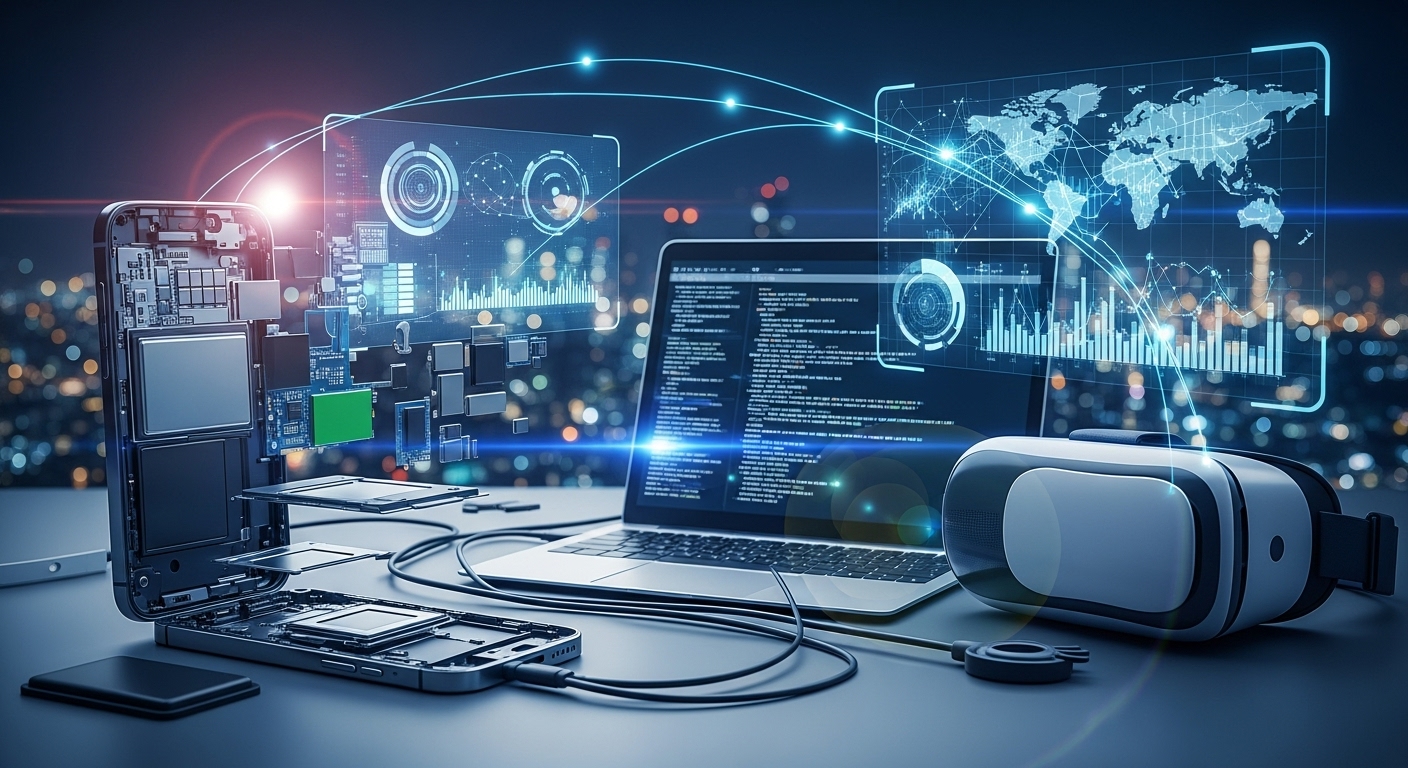
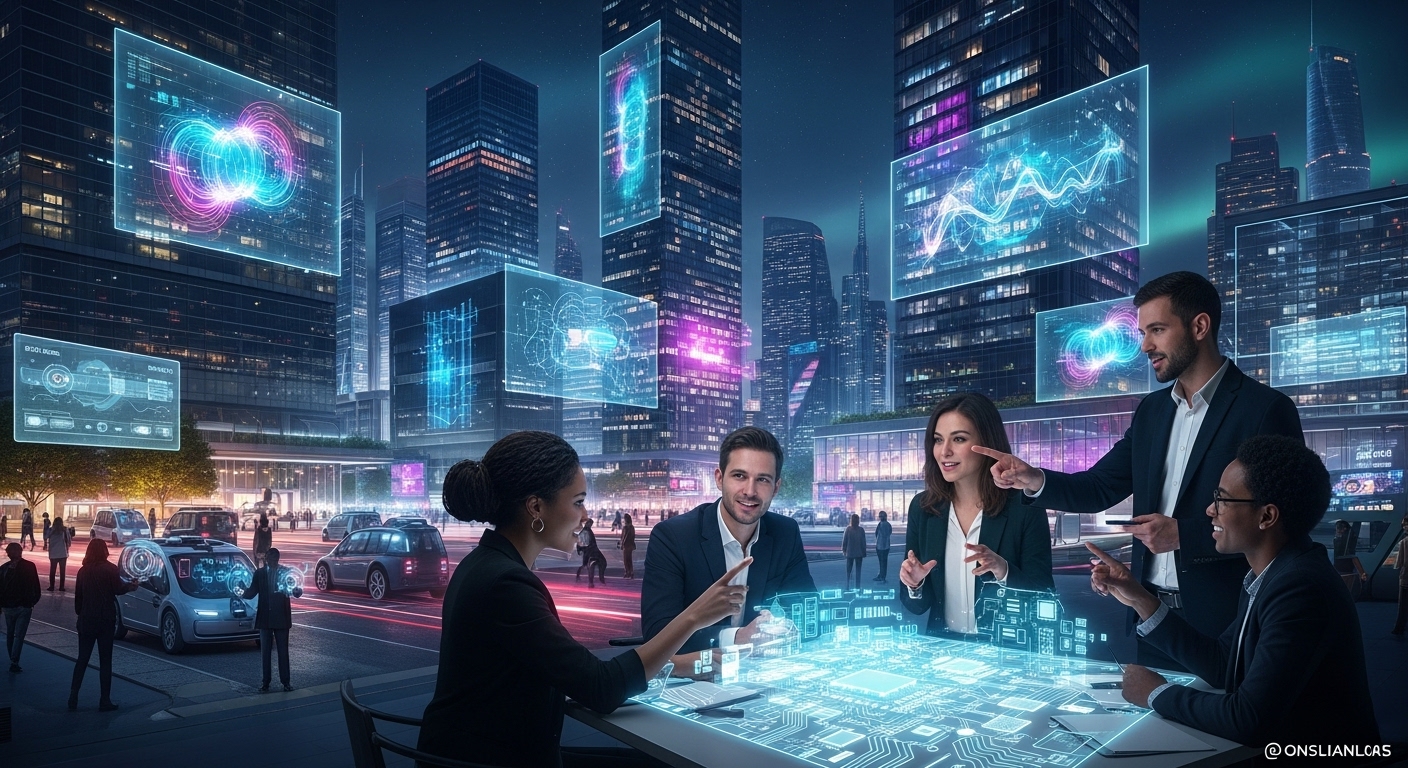
Technology has become the backbone of our modern world. It influences how we communicate, work, learn, and even think. From smartphones to cloud computing, artificial intelligence, and virtual reality, technology is shaping every aspect of our daily lives. The digital revolution is no longer a concept of the future; it is a present reality that continues to evolve at a breathtaking pace. This blog explores the multifaceted impact of technology, from healthcare and education to business, entertainment, and beyond.
The Evolution of Technology: From Early Innovations to Modern Marvels
The story of technology is the story of human progress. Early innovations, such as the wheel, the printing press, and electricity, laid the groundwork for modern civilization. The 20th century introduced computers, the internet, and mobile devices, fundamentally changing how people communicate and work. Today, we live in the era of the Fourth Industrial Revolution, where digital, physical, and biological systems are merging. Breakthroughs in artificial intelligence, robotics, biotechnology, and blockchain are reshaping industries and creating possibilities that were once only imaginable in science fiction.
Artificial Intelligence: Machines That Learn and Think
Artificial Intelligence, or AI, is one of the most transformative technologies of our time. AI systems can analyze massive amounts of data, recognize patterns, and make predictions faster than any human. In healthcare, AI assists doctors in diagnosing diseases and recommending treatments. In finance, AI detects fraud and optimizes investment strategies. Even everyday life benefits from AI through smart assistants, personalized recommendations, and automated systems that simplify daily tasks. As AI continues to advance, ethical considerations and responsible development remain critical to ensure that these technologies benefit everyone.
The Internet of Things: Creating a Connected World
The Internet of Things (IoT) is revolutionizing the way we live and work by connecting everyday objects to the internet. Smart homes now use IoT devices to control lighting, temperature, and security systems automatically. In cities, IoT improves traffic management, monitors environmental conditions, and enhances public safety. In industry, IoT helps optimize production processes and reduce waste. By creating a network of connected devices, IoT enhances convenience, efficiency, and sustainability, making the world smarter and more responsive to human needs.
Mobile Technology: Power in the Palm of Your Hand
Mobile technology has redefined how we interact with the digital world. Smartphones and tablets are no longer just communication devices—they are gateways to information, entertainment, and commerce. Mobile apps allow people to work remotely, shop online, learn new skills, and even access healthcare services. With the rollout of 5G networks, mobile technology is becoming faster and more reliable, supporting innovations such as augmented reality, virtual reality, and real-time interactive experiences. The mobility and accessibility of modern technology empower individuals like never before.
Cybersecurity: Safeguarding Our Digital Lives
As technology advances, cybersecurity has become a critical concern. Digital systems store sensitive information, from personal data to financial records, making them prime targets for cyber threats such as hacking, phishing, and ransomware. Organizations and individuals must adopt robust security measures, including encryption, multi-factor authentication, and secure cloud services, to protect data. Cybersecurity is not just about technology—it is about trust. A secure digital environment enables businesses to operate efficiently and individuals to engage with technology confidently.
Healthcare Technology: Advancing Medicine and Improving Lives
Healthcare has been revolutionized by technology, improving both access and outcomes. Telemedicine allows patients to consult doctors remotely, while wearable devices monitor vital signs in real time. AI-powered diagnostic tools help detect illnesses earlier, and robotic surgery enables precise, minimally invasive procedures. Technology also supports medical research by analyzing large datasets to identify trends and develop treatments faster. By integrating technology into healthcare, medical professionals can deliver higher-quality care and save more lives.
Education and Technology: Transforming Learning Experiences
Technology has reshaped education, making it more interactive, accessible, and personalized. Online learning platforms allow students to study at their own pace, regardless of location. Virtual classrooms and AI-driven tools provide customized learning experiences tailored to individual needs. Gamification and virtual reality bring abstract concepts to life, enhancing engagement and retention. Educational technology has democratized access to knowledge, giving students from all backgrounds the opportunity to learn, grow, and achieve their potential.
Business and Technology: Driving Growth and Innovation
Technology has transformed the business landscape across industries. Automation, data analytics, and cloud computing allow organizations to operate efficiently, make informed decisions, and deliver better products and services. E-commerce platforms enable companies to reach customers worldwide, while digital marketing strategies target audiences with precision. In manufacturing, robotics and IoT devices optimize production processes, reduce costs, and enhance product quality. Technology is no longer a support function—it is a core driver of innovation, growth, and competitiveness.
Sustainable Technology: Innovating for the Environment
Sustainability has become a central focus of technological innovation. Renewable energy solutions such as solar and wind power rely on advanced technology to maximize efficiency and distribution. Electric vehicles and smart grids reduce carbon footprints and energy waste. Data-driven approaches in agriculture, water management, and waste reduction promote more responsible resource use. Technology is proving that innovation can align with environmental responsibility, offering solutions that protect the planet while supporting human progress.
Entertainment and Media: Redefining How We Engage
Technology has fundamentally changed the way we consume entertainment. Streaming platforms provide instant access to movies, music, and shows, while video games offer interactive experiences that engage players like never before. Virtual reality and augmented reality create immersive worlds that blur the line between digital and physical experiences. Social media allows creators to connect directly with audiences, while AI-powered recommendation systems help users discover content tailored to their interests. Technology has turned entertainment into a dynamic, personalized, and immersive experience.
Emerging Technologies: Shaping the Future
The future of technology is filled with possibilities. Quantum computing promises to solve problems that are currently beyond the reach of classical computers. Biotechnology has the potential to extend human lifespan and improve quality of life. Artificial intelligence will become more sophisticated, enabling autonomous systems and intelligent decision-making. Virtual and augmented reality will transform how we interact with the digital world, offering experiences that are increasingly lifelike and interactive. These emerging technologies will redefine the boundaries of what is possible.
Ethics and Responsibility in Technology
With rapid technological advancement comes the need for ethical considerations. Issues such as data privacy, artificial intelligence bias, digital addiction, and environmental impact require careful attention. Technology must be designed and implemented responsibly to ensure equitable access and avoid unintended consequences. Ethical frameworks, regulations, and public awareness are essential to guide innovation in a way that benefits society as a whole. Technology is a tool, and how we use it determines whether it empowers or harms.
Conclusion: Embracing Technology for a Better Future
Technology has become an inseparable part of modern life, influencing every aspect of how we live, work, and interact. It has transformed communication, healthcare, education, business, entertainment, and the environment, offering opportunities that were once unimaginable. At the same time, it challenges us to address ethical concerns, security risks, and environmental impacts responsibly. By embracing technology thoughtfully, we can create a future that is innovative, sustainable, and inclusive—a world where human creativity and technological progress work hand in hand.