
The Evolution of Technology and the Human Connection
Technology has always been the heartbeat of human progress. From the first industrial revolution powered by steam engines to today’s world driven by artificial intelligence, the pace of technological evolution continues to astonish us. What once seemed impossible is now an everyday reality. Devices that fit in our pockets are more powerful than the computers that once filled entire rooms. This transformation is not only changing how we work or communicate but redefining our very existence. The 21st century has become the era where technology is not just a tool—it is a lifestyle, an ecosystem, and an extension of human potential.
As society becomes increasingly dependent on digital solutions, the bond between humans and technology grows stronger. We are entering an age where innovation is the new oxygen, fueling every sector from healthcare and education to entertainment and governance. The real question is not whether technology will change our lives but how we can adapt, evolve, and thrive within its rapid transformation.
Artificial Intelligence: The Brain Behind the Machines
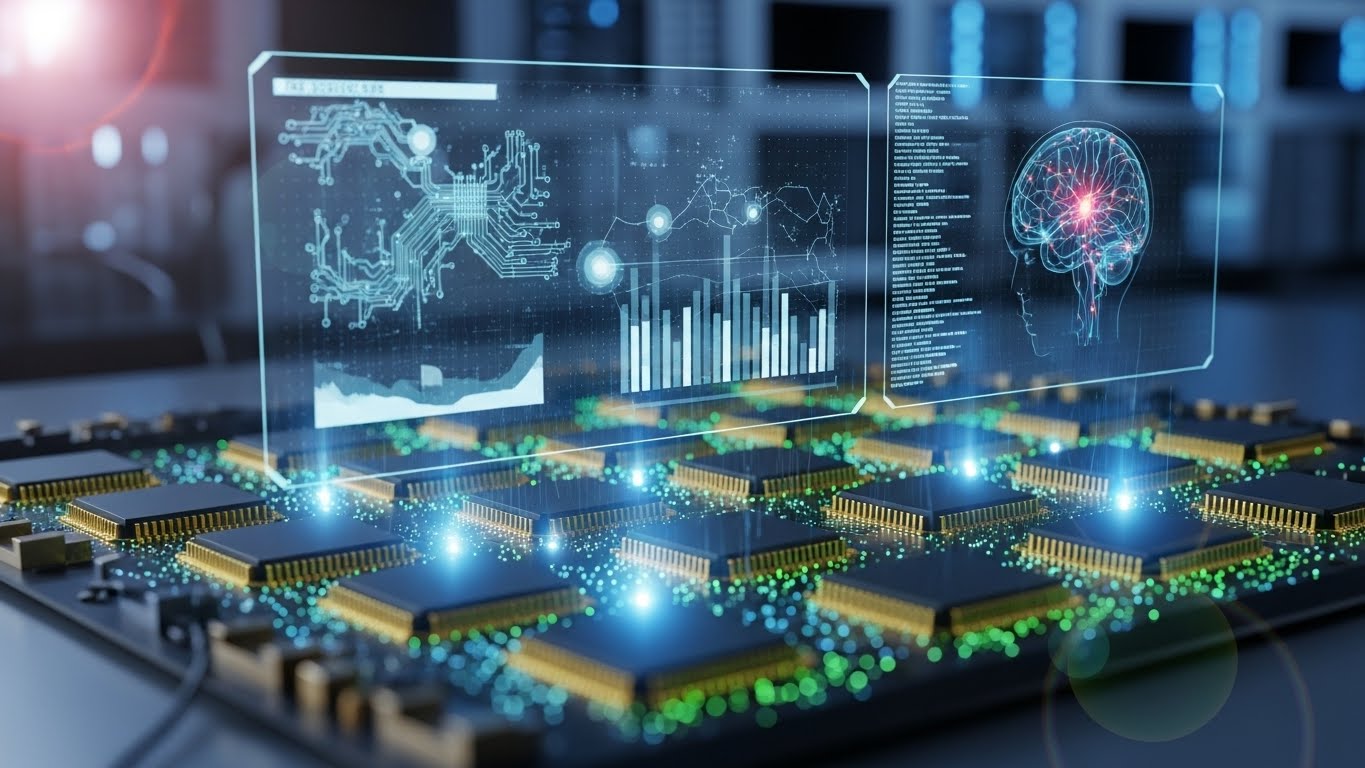
Artificial Intelligence (AI) is perhaps the most influential force shaping our modern world. It has moved beyond being a buzzword to becoming a fundamental part of daily operations across industries. AI systems are capable of analyzing massive amounts of data, learning from it, and making intelligent decisions faster than any human could. Whether it’s virtual assistants managing schedules, self-driving cars navigating traffic, or algorithms predicting financial trends, AI has woven itself into the fabric of society.
AI’s greatest strength lies in its adaptability. In healthcare, it helps detect diseases early by analyzing medical images with remarkable precision. In education, AI-powered platforms personalize learning experiences to match each student’s pace. In business, predictive analytics allow companies to anticipate market shifts and customer needs. However, as AI continues to advance, ethical concerns arise—how much control should machines have, and where do we draw the line between human and artificial decision-making?
The rise of AI also brings discussions about job automation. While some fear machines replacing humans, others see AI as a partner rather than a competitor—a tool that enhances productivity and enables humans to focus on creativity and strategic thinking.
The Internet of Things: Connecting the Physical and Digital Worlds
The Internet of Things (IoT) is another game-changer in modern technology. IoT refers to the network of physical devices connected through the internet that can collect, share, and act on data. This includes everything from smart refrigerators that order groceries to industrial sensors that monitor factory operations. The goal of IoT is simple: make life more efficient, secure, and intelligent through connectivity.
Smart homes are the most visible form of IoT. Thermostats adjust temperatures automatically, lights respond to voice commands, and security systems monitor every corner of our homes remotely. On a larger scale, smart cities use IoT to manage traffic, reduce energy consumption, and enhance public safety. In agriculture, IoT-enabled sensors monitor soil health, weather patterns, and irrigation systems, helping farmers increase productivity while conserving resources.
However, the rise of IoT also highlights the importance of cybersecurity. As more devices connect to the internet, the number of potential entry points for cyberattacks increases. Protecting data and ensuring privacy have become critical priorities in the digital age.
Cloud Computing: The Foundation of Digital Innovation
Behind every technological advancement today lies the power of cloud computing. It has revolutionized how data is stored, accessed, and processed. Instead of relying on physical storage or local servers, businesses and individuals can now use remote servers hosted on the internet to manage their data. This not only reduces costs but also enhances flexibility, scalability, and collaboration.
Cloud computing has become essential for modern organizations. Companies no longer need massive infrastructure investments to deploy digital solutions. Instead, they can scale their operations up or down based on demand. Cloud technology also fosters global collaboration, allowing teams across continents to work seamlessly in real time.
Moreover, the integration of AI with cloud platforms is transforming industries. Cloud-based machine learning models allow organizations to deploy AI solutions faster, from analyzing customer behavior to automating supply chains. The future of cloud computing is moving toward hybrid and edge models, where data processing occurs closer to the source, reducing latency and improving speed—key factors for applications like autonomous vehicles and real-time analytics.
The Rise of Quantum Computing: Unlocking Unimaginable Power
While traditional computing relies on binary bits (0s and 1s), quantum computing operates on qubits, which can exist in multiple states simultaneously. This allows quantum computers to process complex data at unimaginable speeds. Although still in its early stages, quantum computing promises to revolutionize industries that depend on vast data processing capabilities, such as cryptography, climate modeling, and pharmaceutical research.
Imagine a world where complex molecules can be simulated in seconds, leading to breakthroughs in medicine or materials science. Quantum computing could make that possible. It can also redefine cybersecurity by making current encryption methods obsolete, pushing experts to develop quantum-safe security systems.
The development of quantum computing represents the next frontier of technological innovation—one that could change the very foundations of how we understand and utilize information.
The 5G Revolution and the Future of Connectivity
The rollout of 5G networks is transforming global communication. With speeds up to a hundred times faster than 4G, 5G is unlocking new possibilities for industries and consumers alike. It’s not just about faster downloads or smoother video calls; it’s about enabling technologies that rely on real-time data exchange.
Autonomous vehicles, smart factories, remote surgeries, and augmented reality experiences all depend on the ultra-low latency that 5G provides. This network revolution is bridging the gap between digital and physical realities. In developing regions, 5G can also drive digital inclusion by providing faster and more reliable internet access, fostering innovation and economic growth.
However, implementing 5G infrastructure comes with challenges, such as high deployment costs and energy demands. Despite this, its long-term benefits will shape the next generation of digital transformation.
The Ethical Dilemma: Balancing Innovation and Responsibility
As technology advances, so do the ethical and societal questions surrounding it. Who controls the data we share? How can we ensure fairness and transparency in AI decisions? What happens when automation replaces traditional jobs? These are not just technological challenges but moral ones.
The rapid evolution of digital tools requires equally rapid development in digital ethics and governance. Governments, organizations, and individuals must collaborate to create frameworks that protect privacy, promote inclusivity, and ensure technology serves humanity rather than dominates it.
Ethical innovation means developing technology that aligns with human values—ensuring that every new tool, app, or algorithm benefits society as a whole. The goal is to make technology humane, accessible, and equitable.
The Green Tech Movement: Innovation for Sustainability
Technology is not just transforming lives; it’s helping save the planet. Green technology focuses on sustainable innovation—developing energy-efficient systems, reducing waste, and minimizing environmental impact. From renewable energy solutions like solar and wind power to smart grids and electric vehicles, tech is leading the charge against climate change.
Artificial intelligence helps optimize energy consumption, while IoT sensors monitor pollution levels in cities. Meanwhile, advanced materials and 3D printing are reducing industrial waste. The combination of technology and environmental awareness is giving rise to a new wave of eco-innovation that could secure a sustainable future for generations to come.
The Future Ahead: Humans and Machines in Harmony
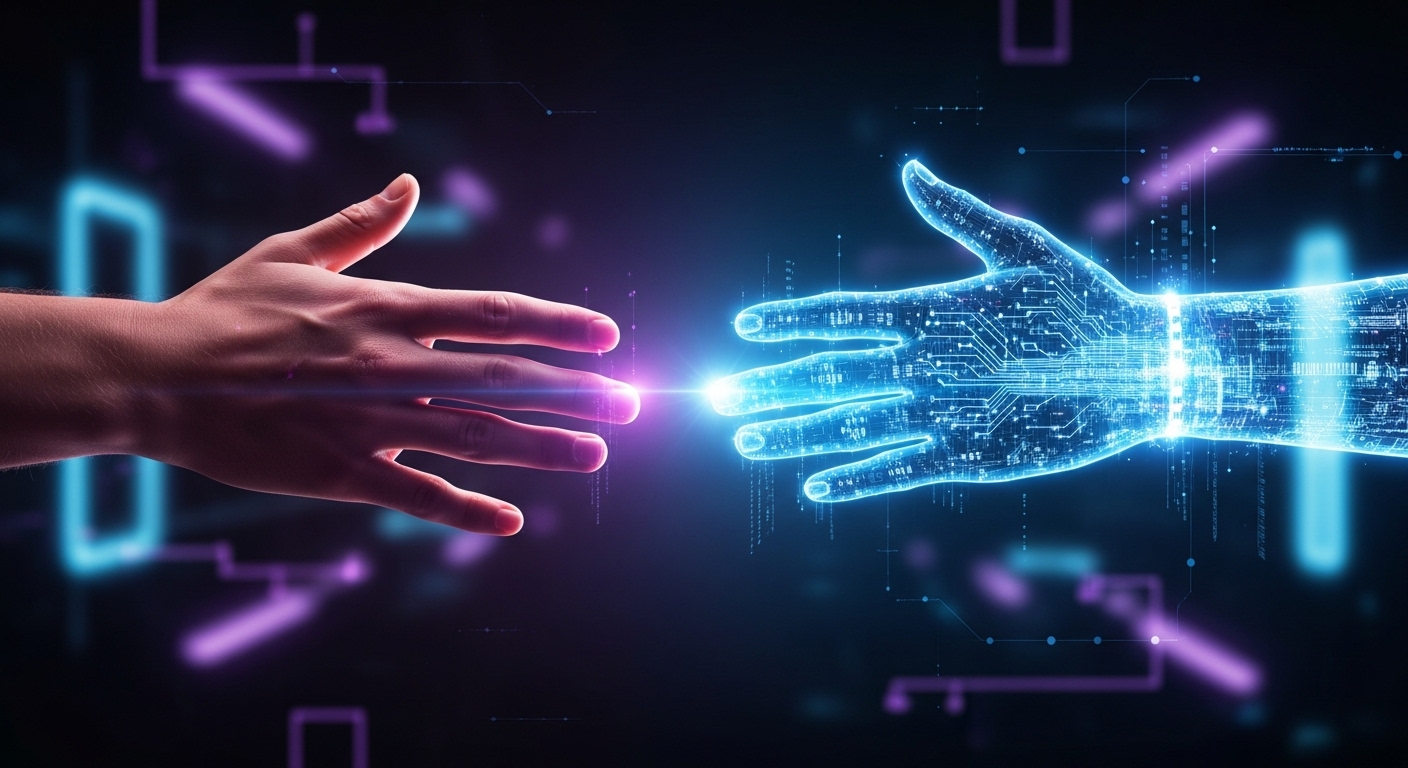
The future of technology lies not in competition between humans and machines but in collaboration. As automation and AI continue to evolve, the human role will shift toward creativity, emotional intelligence, and strategic problem-solving. Machines can handle data, but only humans can provide meaning and purpose.
We are moving toward an era where humans and technology coexist symbiotically. From wearable devices that monitor health in real time to virtual environments that enhance education and creativity, the boundary between the digital and physical worlds is fading.
In this connected age, adaptability becomes our greatest strength. The individuals and organizations that embrace learning, experimentation, and ethical responsibility will lead the way in shaping a better digital future.
Conclusion: The Technology of Tomorrow, Built Today
The story of technology is the story of humanity—our constant quest to improve, innovate, and understand the world around us. As we stand on the brink of another wave of breakthroughs, from AI and IoT to quantum computing and 5G, one truth remains: technology is only as powerful as the purpose it serves.
The future is not predetermined by machines or algorithms but by the choices we make today. The key lies in harnessing technology to empower people, solve real problems, and create a sustainable, inclusive, and intelligent world. The digital pulse of our era beats stronger than ever, and it is up to us to ensure it keeps rhythm with the heart of humanity.