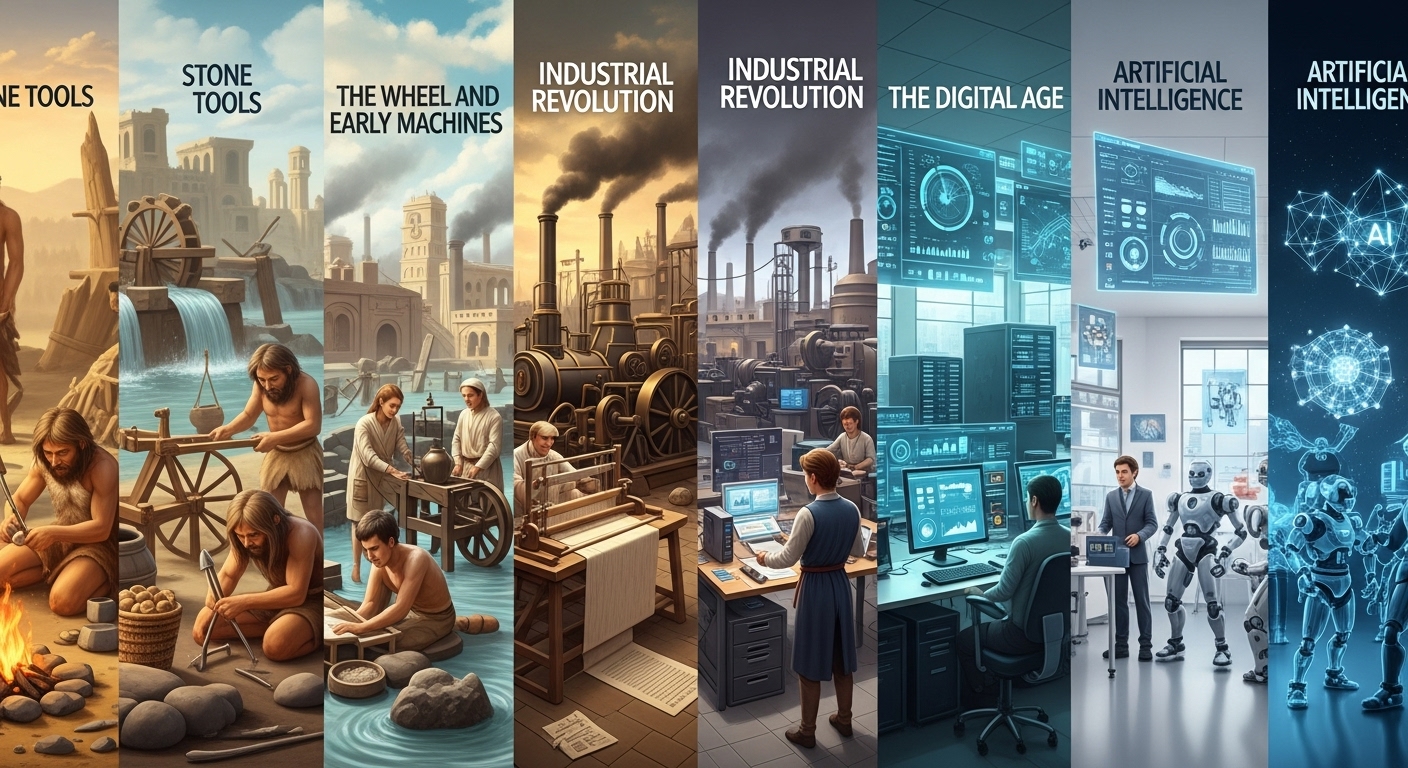

In the fast-paced world of technology, change is not just a constant—it’s an accelerating force that’s reshaping nearly every aspect of our daily lives. From the devices we use to the way we work, learn, and communicate, technology continues to evolve in ways that were once unimaginable. In this blog post, we’ll take a deep dive into the cutting-edge innovations that are pushing the boundaries of possibility and shaping our future.
The Rise of Artificial Intelligence: Shaping Tomorrow’s World
Artificial intelligence (AI) is arguably the most transformative technology of our time. AI systems are no longer confined to science fiction; they are integrated into our lives in subtle but profound ways. From smart assistants like Siri and Alexa to predictive algorithms that power online shopping and content recommendations, AI is everywhere. But its capabilities extend far beyond these everyday applications.
One of the most promising areas of AI is machine learning, where computers learn from data and improve over time without explicit programming. In healthcare, machine learning algorithms are already being used to analyze medical images, assist in diagnostics, and even predict patient outcomes. In finance, AI is revolutionizing everything from fraud detection to algorithmic trading, allowing companies to make real-time decisions based on vast amounts of data.
The impact of AI on industries such as autonomous driving, customer service, and logistics is also enormous. AI-powered autonomous vehicles, for instance, have the potential to significantly reduce traffic accidents, increase fuel efficiency, and transform urban transportation. Meanwhile, chatbots and AI-driven customer service platforms are enhancing the customer experience by providing faster and more personalized assistance.
However, with AI’s rapid growth comes important ethical considerations, including concerns over privacy, job displacement, and algorithmic bias. As AI continues to evolve, it will be crucial to balance its benefits with responsible use to ensure it serves society as a whole.
Quantum Computing: Unlocking Unprecedented Power
Quantum computing is another groundbreaking technological development that has the potential to reshape industries. Unlike traditional computers, which use bits to represent data as either a 0 or a 1, quantum computers use qubits, which can exist in multiple states at once. This ability to process information in parallel allows quantum computers to solve complex problems at speeds that are orders of magnitude faster than classical machines.
The implications of quantum computing are enormous. For example, in the field of drug discovery, quantum computers could simulate molecular structures at an unprecedented scale, speeding up the process of finding new medications. In cybersecurity, quantum computing could both present new challenges (by breaking existing encryption algorithms) and offer new solutions (through quantum encryption methods that are virtually unbreakable).
While we are still in the early stages of quantum computing, its potential is already sparking major investments and research efforts. Companies like Google, IBM, and Microsoft are leading the charge in developing quantum hardware and algorithms, and breakthroughs are occurring at an accelerating rate.
For now, quantum computing remains largely experimental, but as the technology matures, it promises to unlock capabilities that will impact everything from artificial intelligence to climate modeling and beyond. It’s an exciting area to watch, and the implications for various industries are limitless.
The Internet of Things: Connecting Everything and Everyone
The Internet of Things (IoT) is rapidly expanding, with billions of devices expected to be connected to the internet in the coming years. IoT refers to the network of physical objects embedded with sensors, software, and other technologies that allow them to collect and exchange data. These objects can range from everyday household items like refrigerators and thermostats to industrial equipment and smart city infrastructure.
In the home, IoT devices are already making life more convenient and energy-efficient. Smart thermostats adjust your home’s temperature based on your habits, smart lights turn off when you leave a room, and voice-activated assistants help manage tasks and control other connected devices. The possibilities for making homes smarter and more energy-efficient are growing rapidly.
In industries like healthcare, manufacturing, and agriculture, IoT is transforming the way operations are managed. Wearable health trackers monitor everything from heart rate to sleep patterns, giving doctors and patients real-time data to make informed decisions. In manufacturing, IoT sensors can monitor equipment performance, predict maintenance needs, and even optimize supply chains. On farms, IoT sensors track soil moisture levels, weather patterns, and crop health, enabling farmers to use resources more efficiently and increase crop yields.
However, with IoT’s exponential growth comes challenges related to data security and privacy. As more devices collect personal data, ensuring that this information is protected from hackers and misuse is a top priority for developers and governments alike. Securing the IoT ecosystem will be crucial as its presence continues to grow.
5G: The Next Leap in Connectivity
The rollout of 5G networks promises to revolutionize how we connect to the internet and each other. 5G is the fifth generation of mobile network technology and is set to offer speeds that are up to 100 times faster than the current 4G networks. With faster speeds, lower latency, and the ability to support more devices simultaneously, 5G will open up a whole new world of possibilities.
One of the most significant impacts of 5G will be its role in enabling the full potential of the Internet of Things. With 5G’s low latency, billions of IoT devices can communicate in real-time without delays, creating a truly connected ecosystem. Whether it’s smart homes, autonomous vehicles, or connected cities, 5G will be the backbone that powers the next generation of technology.
In addition to IoT, 5G will have a profound impact on other areas such as augmented reality (AR) and virtual reality (VR). With faster speeds and lower latency, 5G will enable seamless, real-time experiences in AR and VR. This could revolutionize industries like entertainment, education, and healthcare, where immersive experiences are key.
5G’s capabilities also extend to business and enterprise solutions. From enabling faster cloud computing to improving remote work collaboration, 5G will streamline operations, enhance communication, and increase productivity across industries.
Blockchain: Beyond Cryptocurrencies
While blockchain technology is most commonly associated with cryptocurrencies like Bitcoin, its potential extends far beyond the world of digital currencies. At its core, blockchain is a decentralized, transparent, and secure ledger that records transactions across multiple computers. Each block in the chain contains a list of transactions, and once added, the data is immutable—making it nearly impossible to alter or hack.
This inherent security makes blockchain ideal for applications beyond cryptocurrency. In the supply chain, for instance, blockchain can track the journey of goods from manufacturer to consumer, providing full transparency and ensuring that products are ethically sourced and delivered. In healthcare, blockchain can securely store patient records, allowing individuals to control access to their data while ensuring privacy and reducing the risk of data breaches.
The potential for blockchain to disrupt industries like banking, real estate, and voting systems is also significant. By cutting out intermediaries, blockchain can reduce costs, increase transparency, and streamline processes. As blockchain technology continues to evolve, it will likely become a fundamental component of many industries, redefining how data is stored, shared, and verified.
Cybersecurity: Securing the Future
As technology advances, so do the threats that come with it. Cybersecurity has become a critical focus for businesses, governments, and individuals alike. From data breaches to ransomware attacks, the digital landscape is fraught with security risks that can have devastating consequences.
In response to these growing threats, cybersecurity technologies are becoming more sophisticated. Machine learning and artificial intelligence are being leveraged to detect and respond to threats in real-time, while blockchain and encryption technologies are being used to secure transactions and sensitive data. Additionally, the rise of biometric authentication methods, such as fingerprint scanners and facial recognition, is making it harder for malicious actors to gain unauthorized access to personal and corporate systems.
As we continue to integrate more technology into our lives, the importance of robust cybersecurity cannot be overstated. Ensuring that digital systems are secure will be key to fostering trust and enabling the continued growth of the digital economy.
The Ethical Implications of Emerging Technologies
While emerging technologies promise immense benefits, they also raise important ethical questions. As AI, quantum computing, IoT, and blockchain continue to evolve, we must carefully consider their societal impacts. Issues like data privacy, surveillance, job displacement, and algorithmic bias must be addressed to ensure that technology serves humanity in a fair and equitable way.
For example, as AI becomes more pervasive, we must grapple with questions about its role in decision-making, particularly in sensitive areas like healthcare, criminal justice, and hiring. Similarly, as automation and robotics continue to advance, we must consider the potential for job loss and economic inequality.
Balancing innovation with ethical responsibility will be critical as we move forward. The future of technology should be one that benefits all people, not just a select few, and addressing these ethical concerns head-on will be essential in creating a future where technology is a force for good.
Conclusion: A Future Full of Possibilities
The technological innovations of today are laying the foundation for a future full of possibilities. From AI and quantum computing to IoT, 5G, and blockchain, the impact of these technologies is already being felt in numerous sectors, and their potential is only beginning to be realized. While there are challenges to overcome, particularly in areas like cybersecurity and ethical responsibility, the future of technology is incredibly exciting.
As we look to the horizon, we must remain mindful of how technology is shaping the world around us. By embracing innovation responsibly, we can harness the power of these technologies to improve lives, solve global challenges, and build a more connected, sustainable future. The tech landscape is evolving rapidly, and the opportunities it presents are endless—if we approach them with vision, care, and a sense of purpose.