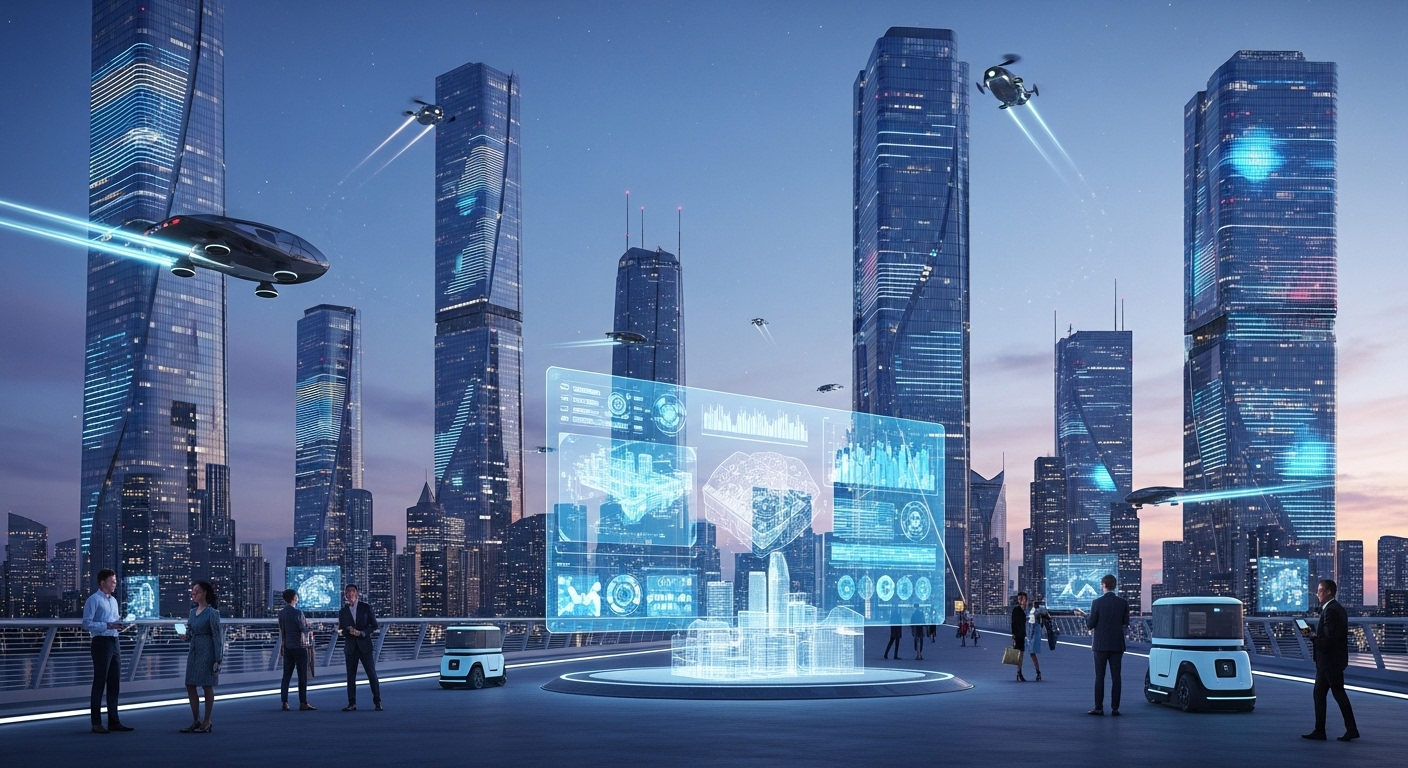
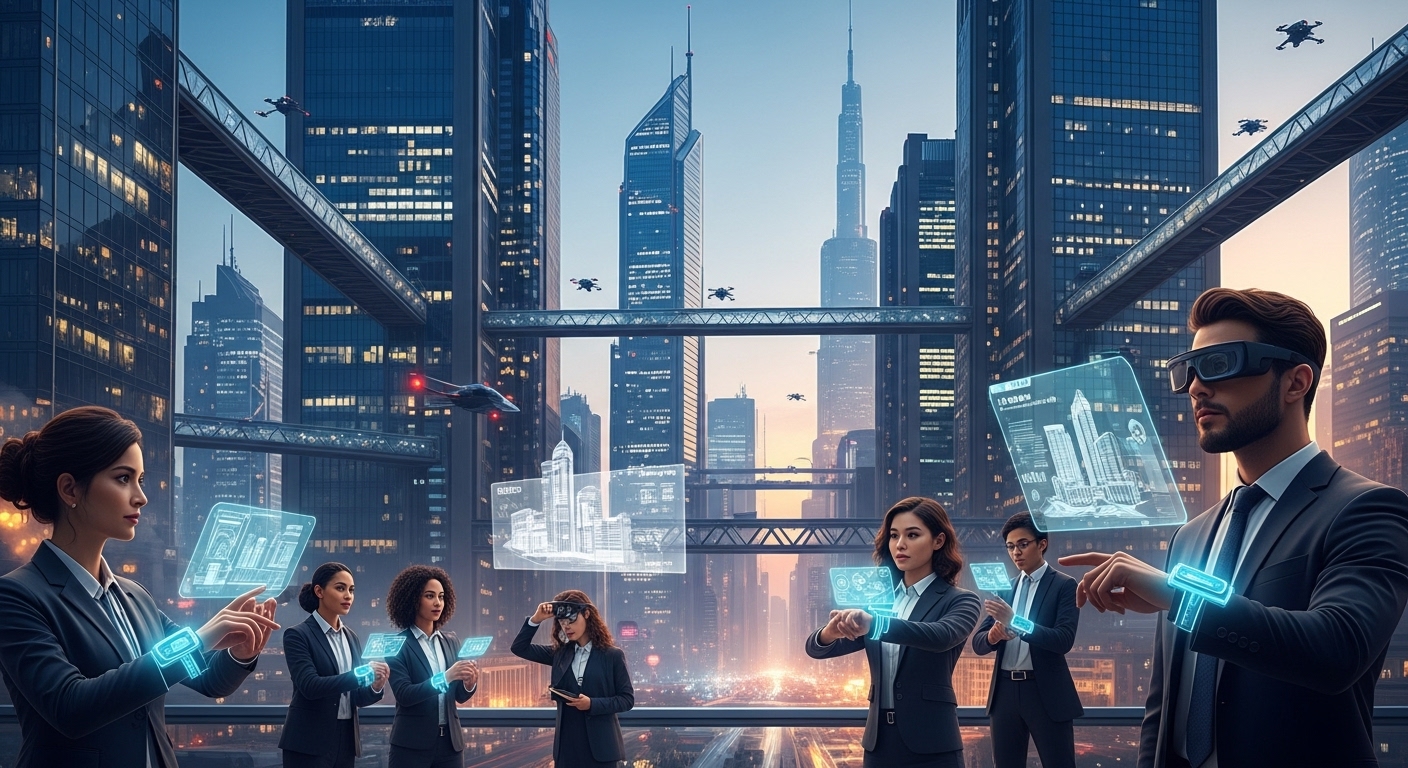
Introduction: Technology as the Driving Force of Modern Life
In today’s world, technology is not just a tool; it has become the framework within which society operates. From communication and healthcare to transportation and entertainment, technological innovation is the backbone of modern life. What was once considered science fiction, such as artificial intelligence, virtual reality, and autonomous vehicles, is now a part of daily existence. Technology influences how we learn, work, connect, and even think, making it a central pillar of human progress. This blog explores the evolution, impact, and future of technology in society.
The Evolution of Technology: From Tools to Digital Ecosystems
Human innovation has always been intertwined with technological advancement. Early humans used tools made of stone, wood, and bone to survive and thrive. Over centuries, technological breakthroughs such as the wheel, the printing press, and mechanized machinery transformed civilizations.
The industrial revolution brought mass production and mechanization, fundamentally altering industries and society. The 20th century introduced computers, the internet, and mobile devices, ushering in the digital revolution. Today, technology has evolved into interconnected systems and intelligent machines capable of processing massive amounts of data, learning from experiences, and performing tasks that were once impossible.
Communication in the Digital Era
One of the most significant impacts of technology is on communication. From handwritten letters to telegraphs and telephones, humanity’s ability to connect has constantly evolved. Modern communication tools such as video conferencing, instant messaging, and social media allow people to interact in real time across the globe.
This transformation has reshaped personal relationships, professional collaboration, and social engagement. Families maintain daily contact despite distance, businesses coordinate seamlessly across continents, and communities share ideas and culture instantly. Technology has effectively made the world smaller, fostering connectivity and global understanding.
Technology in Education: Learning Beyond Boundaries
Education has been revolutionized by technology, offering new opportunities for learners worldwide. Online courses, digital classrooms, and educational applications provide flexible and personalized learning experiences. Students can access lectures, tutorials, and resources regardless of location, making education more inclusive than ever before.
Advanced tools like interactive whiteboards, virtual reality simulations, and AI-powered tutors enhance understanding and engagement. Collaborative platforms allow learners to work together globally, fostering critical thinking and problem-solving skills. Technology ensures that education evolves to meet the needs of the modern learner while democratizing access to knowledge.
Healthcare: Saving Lives Through Innovation
The healthcare industry has undergone significant transformation due to technological advances. Modern diagnostics, robotic-assisted surgeries, and telemedicine have improved both the accuracy and accessibility of medical care. AI systems analyze vast datasets to assist in diagnosing diseases, while predictive analytics help anticipate outbreaks and optimize treatment plans.
Wearable devices monitor vital signs, encourage healthy lifestyles, and alert users to potential health risks. Telehealth platforms connect patients with specialists regardless of geographic limitations, improving care delivery in remote regions. Through technology, healthcare has become more precise, efficient, and patient-centered.
Artificial Intelligence and Automation: Redefining Work and Industry
Artificial intelligence (AI) and automation are changing the landscape of work and industry. AI can analyze complex datasets, recognize patterns, and make informed decisions faster than humans. Automation increases efficiency, reduces human error, and allows employees to focus on creative and strategic tasks.
From manufacturing and logistics to finance and customer service, AI-driven technologies are optimizing processes across industries. Self-driving vehicles, intelligent virtual assistants, and automated supply chains are reshaping how businesses operate. While these technologies boost productivity, they also require reskilling and adaptation to ensure the workforce remains competitive.
The Internet of Things: A Connected World
The Internet of Things (IoT) integrates devices, systems, and networks, enabling them to communicate and interact intelligently. Smart homes adjust lighting, temperature, and security systems automatically, while wearable devices monitor health and activity levels. Connected vehicles improve safety and efficiency on the roads.
IoT extends beyond personal use into industries and urban environments. Smart factories monitor machinery to prevent downtime, while smart cities optimize energy usage, traffic flow, and public services. IoT creates ecosystems where everything is interconnected, enhancing convenience, efficiency, and sustainability.
Technology in Business: Innovation and Growth
Modern businesses rely heavily on technology to drive innovation and growth. Cloud computing enables efficient data storage and access, while digital analytics inform strategic decision-making. E-commerce platforms allow companies to reach customers worldwide, and AI-driven marketing personalizes user experiences.
Startups and entrepreneurs use technology to disrupt traditional markets, introducing innovative products and services. From automation to advanced analytics, businesses that embrace technology gain a competitive edge, improve efficiency, and expand their global footprint. Technology has become essential for thriving in a modern economy.
Cybersecurity: Protecting the Digital Landscape
As technology becomes pervasive, cybersecurity is essential. Data breaches, cyberattacks, and identity theft threaten individuals, organizations, and governments. Protecting digital assets requires strong security protocols, encryption, and continuous monitoring.
Organizations implement firewalls, secure authentication, and intrusion detection systems to safeguard information. Individuals protect themselves by using strong passwords, multi-factor authentication, and being aware of online risks. Cybersecurity ensures that the benefits of technology are preserved and that users can trust digital systems.
Entertainment: A New Dimension Through Technology
Technology has redefined entertainment. Streaming platforms, online gaming, virtual reality, and augmented reality provide immersive experiences that engage audiences worldwide. People can access movies, music, and games instantly, creating interactive and highly personalized experiences.
The gaming industry exemplifies technology’s impact, combining advanced graphics, AI, and social interaction to create global communities. Innovations in content creation, distribution, and consumption continue to push the boundaries of creativity, entertainment, and engagement.
Environmental Technology: Towards Sustainability
Technology also plays a vital role in addressing environmental challenges. Renewable energy sources like solar and wind power are increasingly efficient and cost-effective. Smart grids, energy-efficient appliances, and electric vehicles contribute to reducing carbon footprints.
Environmental monitoring using sensors and AI helps track pollution, manage resources, and predict climate-related events. Sustainable agriculture, green construction, and waste management innovations demonstrate how technology can support a more sustainable and resilient future.
Ethical Challenges in Technology
While technology offers immense benefits, it also presents ethical and social challenges. Privacy concerns, misinformation, and algorithmic biases require attention. The overreliance on digital systems can lead to social isolation and dependency.
Ethical frameworks, responsible innovation, and regulation are essential to ensure that technology serves humanity positively. Companies, governments, and individuals must work together to address challenges, balance innovation with responsibility, and protect human values.
The Future of Technology
The future promises groundbreaking innovations. Quantum computing, AI, biotechnology, and space exploration will redefine industries and daily life. Autonomous transportation, AI-assisted healthcare, and smart cities will become mainstream.
Emerging technologies will focus on inclusivity, sustainability, and efficiency. Responsible development and ethical oversight will determine whether these innovations benefit society as a whole. The future of technology is one of limitless potential, requiring careful planning and mindful implementation.
Conclusion: Embracing Technology for Progress
Technology is not merely a collection of tools; it is a transformative force shaping society, culture, and individual lives. It enhances communication, education, healthcare, business, entertainment, and sustainability.
Embracing technology responsibly ensures that its benefits are maximized while minimizing risks. Innovation, ethical practices, and sustainable development must guide the technological path forward. As humanity continues to advance, technology will remain the driving force, unlocking possibilities that redefine the way we live, work, and connect in the modern world.