Introduction: The Transformative Power of Technology
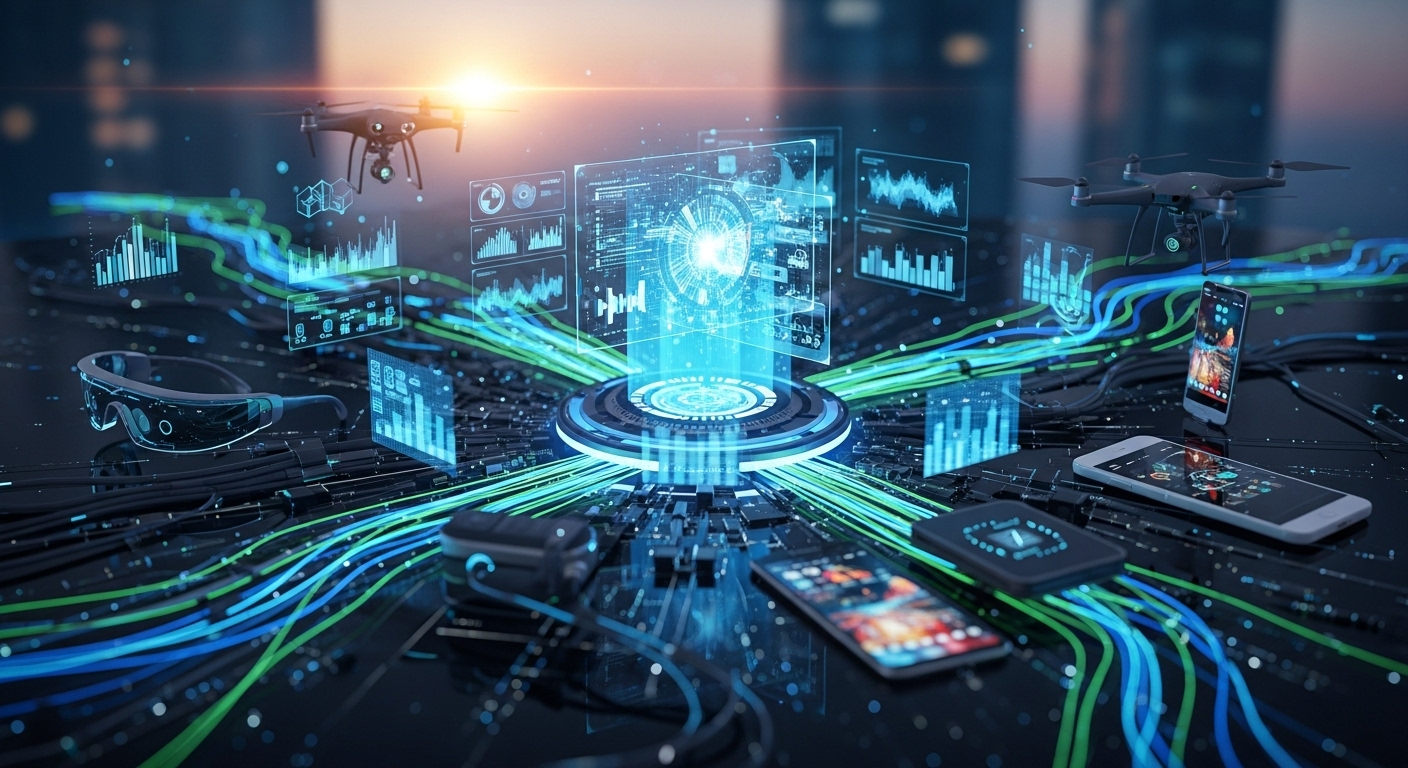
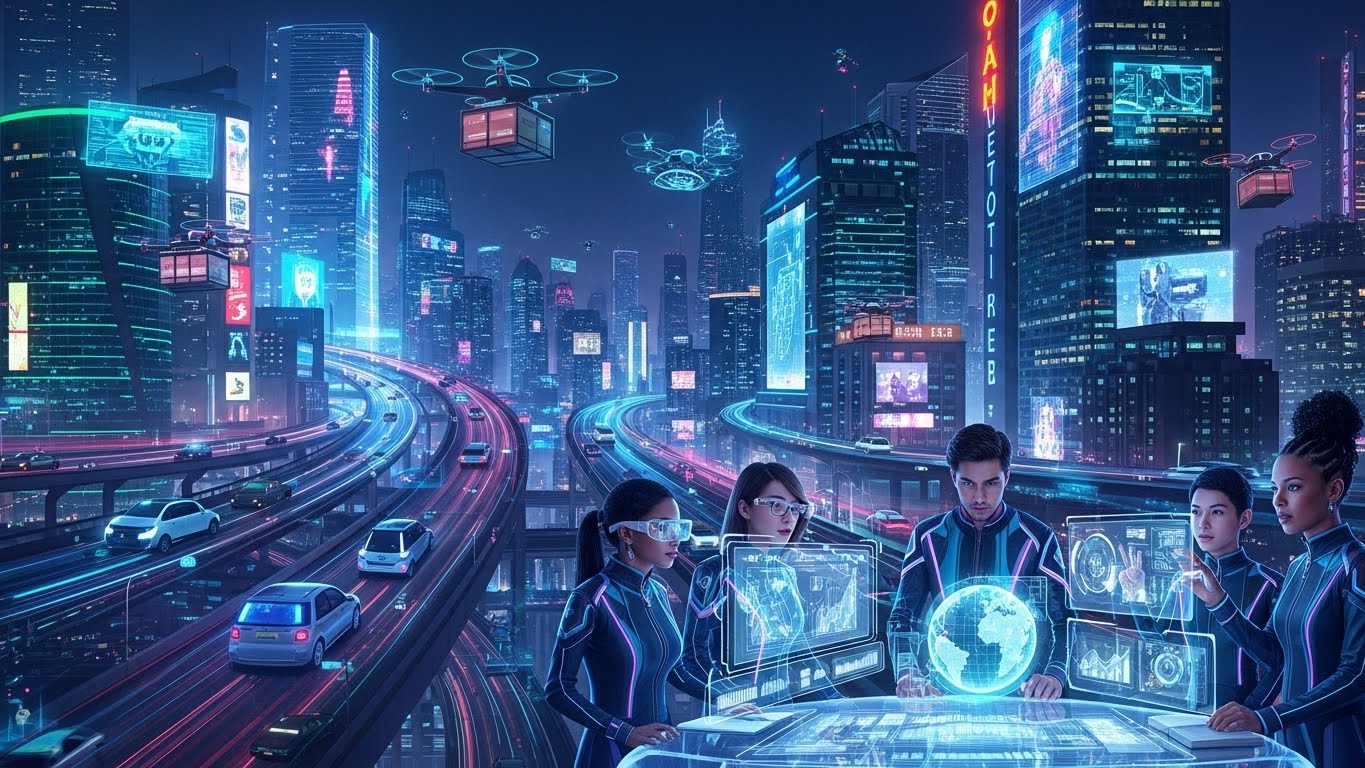
Technology has become the cornerstone of modern life, influencing the way we communicate, work, learn, and entertain ourselves. From smartphones to artificial intelligence, the rapid development of technology continues to reshape our daily experiences and the global economy. What once seemed like science fiction has now become a reality, and technology is accelerating at a pace that is both exciting and challenging. It drives innovation, enhances productivity, and connects people across continents, but it also raises questions about privacy, security, and ethics. Understanding the impact of technology is crucial for navigating the complex and ever-changing digital world.
The Evolution of Technology
The history of technology spans centuries, from the invention of the wheel to the digital revolution. Early technologies were designed to solve practical problems, such as agriculture, transportation, and communication. The industrial revolution marked a significant turning point, introducing mechanized production and reshaping societies. The 20th century brought computers, the internet, and mobile devices, laying the foundation for the interconnected world we live in today. Each technological advancement has accelerated the pace of innovation, making devices smaller, faster, and more powerful. The evolution of technology reflects human ingenuity and our constant desire to improve efficiency and quality of life.
Key Technological Trends
Several key trends are driving the current wave of technological innovation. Artificial intelligence and machine learning are transforming industries by enabling automation, predictive analysis, and intelligent decision-making. Cloud computing allows businesses and individuals to access data and software from anywhere, increasing flexibility and collaboration. Internet of Things devices are connecting homes, vehicles, and cities, creating smarter and more efficient environments. Virtual reality and augmented reality are revolutionizing entertainment, education, and training by offering immersive experiences. These trends demonstrate how technology continues to reshape the way we interact with the world and with each other.
The Impact of Technology on Communication
Communication has been radically transformed by technology. Social media, instant messaging, and video conferencing have made it possible to connect with anyone, anywhere, at any time. Businesses can collaborate with international teams seamlessly, and individuals can maintain relationships across great distances. Technology has also democratized information, allowing people to access knowledge instantly and share their ideas with global audiences. While these advancements bring convenience and opportunity, they also introduce challenges such as misinformation, privacy concerns, and the potential for digital addiction. Understanding how to communicate effectively in a technological world is an essential skill for personal and professional success.
Technology in Education
Education has been significantly influenced by technological advancements. Online learning platforms, digital classrooms, and interactive tools have transformed the way students access and engage with knowledge. Technology enables personalized learning experiences, allowing students to learn at their own pace and explore subjects in greater depth. Virtual reality simulations provide hands-on experiences that were previously impossible, from exploring historical landmarks to conducting complex scientific experiments. Teachers and educators can also utilize data analytics to assess student performance and tailor instruction. By integrating technology into education, learners are better prepared for the demands of the modern workforce.
Technology in Healthcare
Healthcare is another sector that has been revolutionized by technology. Electronic health records, telemedicine, and wearable devices allow for more efficient monitoring, diagnosis, and treatment of patients. Artificial intelligence is being used to analyze medical data, detect diseases earlier, and develop personalized treatment plans. Robotic surgery and advanced imaging techniques have improved precision and outcomes, while mobile health apps empower individuals to manage their health proactively. Technology in healthcare not only improves patient care but also reduces costs and increases accessibility, making quality healthcare more attainable for a broader population.
The Role of Technology in Business
Technology has become a key driver of business innovation and growth. Companies leverage digital tools to streamline operations, enhance customer experiences, and develop new products and services. Data analytics enables businesses to make informed decisions, optimize processes, and predict market trends. E-commerce platforms have transformed retail, providing consumers with convenient shopping experiences while expanding the reach of businesses globally. Automation and artificial intelligence improve efficiency, reduce human error, and allow employees to focus on higher-value tasks. Businesses that embrace technology can remain competitive, agile, and responsive to changing market demands.
The Ethical and Social Implications of Technology
As technology advances, it also raises ethical and social questions. Issues such as data privacy, cybersecurity, and the ethical use of artificial intelligence are increasingly important. Technology has the power to influence behavior, shape public opinion, and impact societal norms. Social media algorithms, for example, can amplify both positive and negative content, affecting how people perceive the world. Additionally, automation and artificial intelligence may disrupt job markets, requiring societies to adapt to new employment realities. Addressing these ethical and social implications is critical to ensure that technology serves humanity rather than creating unintended harm.
Emerging Technologies Shaping the Future
Emerging technologies promise to further transform our world in ways that were once unimaginable. Quantum computing has the potential to solve problems beyond the capacity of classical computers, impacting fields such as cryptography, medicine, and logistics. Blockchain technology offers secure and transparent systems for transactions, data sharing, and digital identity management. Biotechnology and genetic engineering are opening new frontiers in medicine, agriculture, and environmental conservation. These technologies are not only driving innovation but also challenging our understanding of what is possible, pushing humanity into uncharted territories.
Technology and Sustainability
Technology also plays a critical role in promoting sustainability and addressing environmental challenges. Renewable energy technologies, such as solar, wind, and battery storage, are reducing reliance on fossil fuels and mitigating climate change. Smart grids and IoT-enabled devices optimize energy consumption in homes and cities. Precision agriculture and environmental monitoring help conserve resources and improve food security. By leveraging technology responsibly, societies can balance development with ecological preservation, creating a sustainable future for generations to come.
The Future of Work and Technology
The nature of work is being reshaped by technology. Automation, artificial intelligence, and digital platforms are changing the skills required in the workforce. Jobs in data analysis, software development, cybersecurity, and digital marketing are in high demand, while routine manual tasks are increasingly automated. Remote work has become more viable through cloud technologies and collaboration tools, allowing employees to work from anywhere. Lifelong learning and adaptability have become essential as technology continues to evolve rapidly. The future of work will require humans and machines to collaborate effectively, combining creativity, problem-solving, and technical expertise.
Technology and Global Connectivity
Technology has bridged geographical barriers, enabling global connectivity on an unprecedented scale. Communication, trade, education, and collaboration are no longer limited by physical location. Digital platforms connect individuals, communities, and organizations worldwide, fostering cross-cultural exchange and innovation. Global connectivity also allows for rapid dissemination of information and coordinated responses to challenges such as pandemics, natural disasters, and humanitarian crises. While this interconnectedness brings numerous benefits, it also emphasizes the need for cybersecurity, digital literacy, and responsible technology use.
Conclusion: Embracing the Technological Future
Technology is no longer a tool but a defining feature of modern life, shaping how we live, work, and interact with the world. From artificial intelligence and cloud computing to healthcare innovations and sustainable energy solutions, technology drives progress and transforms society. While it offers immense opportunities, it also presents challenges related to ethics, privacy, and social responsibility. Embracing technology responsibly and thoughtfully is essential to ensure that it benefits humanity as a whole. As we look toward the future, understanding and harnessing the power of technology will be crucial for innovation, growth, and creating a world that is connected, efficient, and sustainable. Technology is not just shaping our lives today; it is shaping the future of generations to come.