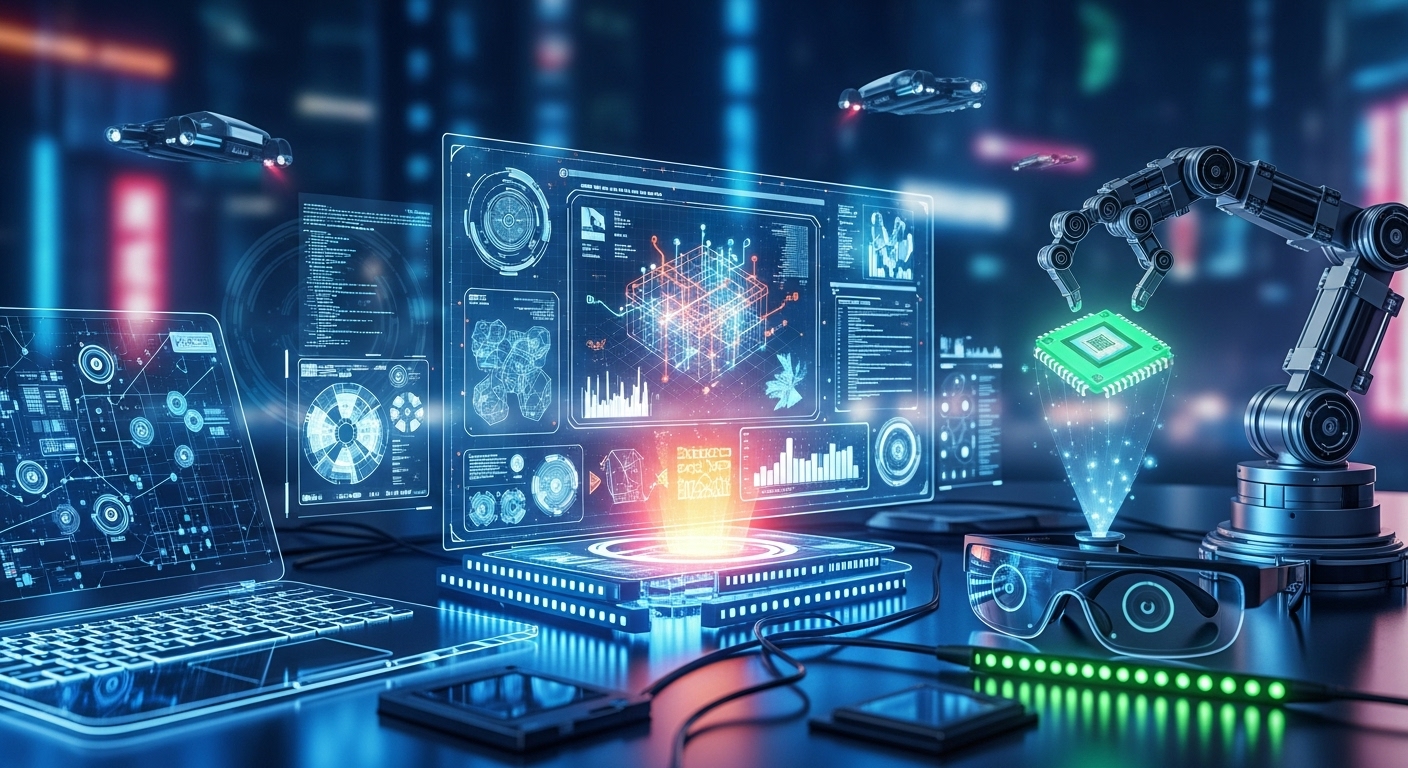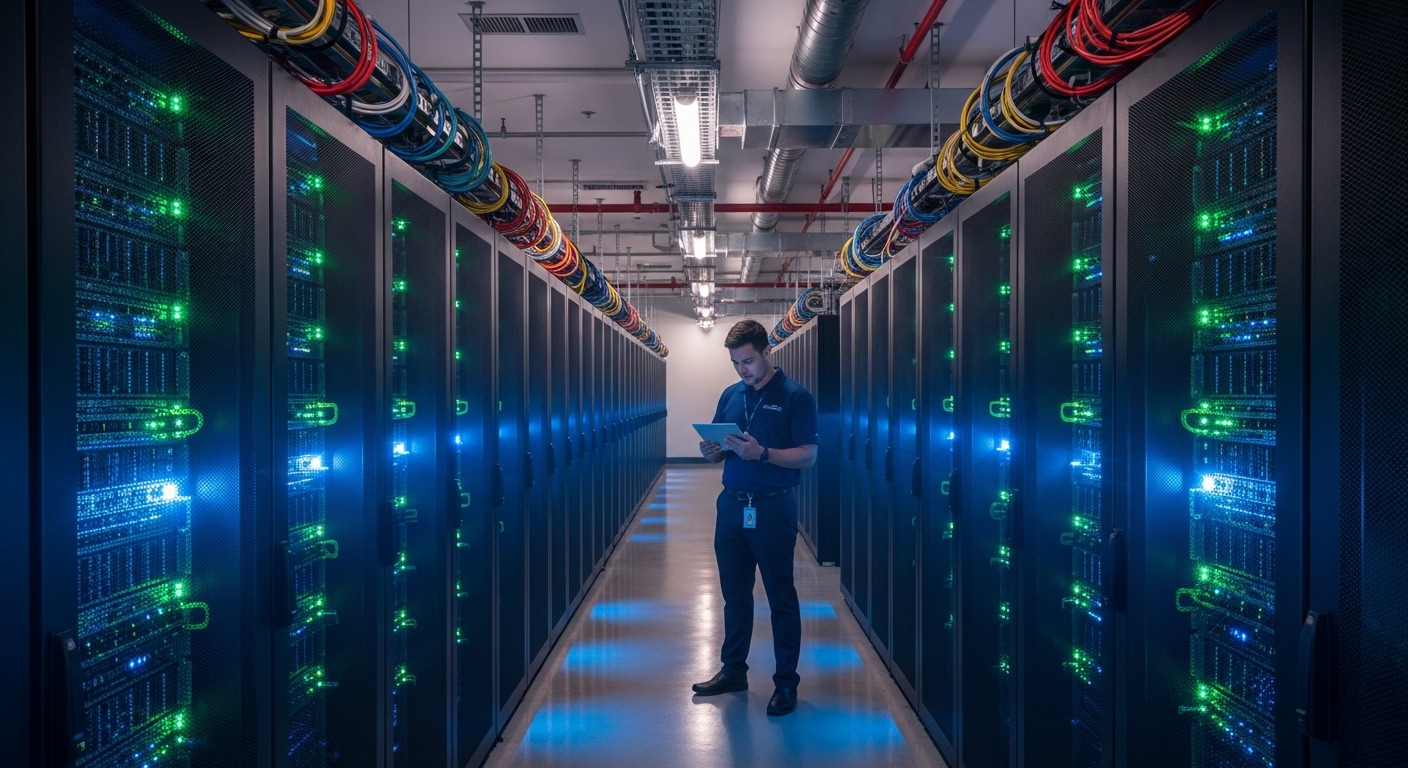

As technology continues to evolve, its influence on every aspect of life becomes more profound. What once seemed like distant possibilities are now everyday realities. From artificial intelligence to quantum computing, the advancements in technology are setting the stage for an entirely new world. This blog explores how cutting-edge technologies are changing our lives, industries, and the way we look at the future.
Artificial Intelligence: A Smarter World Ahead
Artificial Intelligence (AI) is rapidly becoming a driving force behind innovations across various sectors. AI isn’t just about machines thinking like humans—it’s about creating systems that can learn, adapt, and make decisions based on data. In healthcare, AI is revolutionizing diagnostics, enabling doctors to detect diseases faster and with greater accuracy. In business, AI-driven tools are improving customer service, streamlining operations, and predicting market trends. As AI evolves, it will not only enhance our everyday experiences but also redefine entire industries, creating opportunities we never imagined.
The Rise of Autonomous Systems: Driving Change in Transportation
The future of transportation is in the hands of autonomous systems. Self-driving cars, trucks, and drones are set to transform how we travel and move goods. These systems rely on a combination of AI, sensors, and machine learning to navigate roads or airways without human intervention. In the automotive industry, companies are already testing autonomous vehicles that could reduce traffic accidents and improve efficiency. The logistics industry stands to benefit as well, with autonomous delivery vehicles cutting costs and speeding up the distribution process. While the widespread adoption of autonomous systems is still on the horizon, their potential to revolutionize transportation is undeniable.
Blockchain: The Backbone of Transparency and Security
Blockchain technology is one of the most exciting advancements in recent years, and it extends far beyond cryptocurrencies like Bitcoin. At its core, blockchain provides a secure, decentralized way to store and transfer data, making it highly resistant to fraud or tampering. This makes it an ideal solution for industries such as finance, healthcare, and supply chain management, where trust and transparency are crucial. For example, blockchain can be used to track the journey of a product from manufacturing to delivery, ensuring every step is verifiable. As the technology matures, it will likely become the backbone of a more secure, transparent global economy.
Quantum Computing: Unlocking Unseen Potential
Quantum computing is the frontier of modern computing, and it promises to unlock new levels of processing power that traditional computers can’t match. Unlike classical computers, which store data as binary bits (0s and 1s), quantum computers use quantum bits, or qubits, which can exist in multiple states at once. This enables quantum computers to solve complex problems much faster and more efficiently. While the technology is still in its infancy, quantum computing could revolutionize fields such as drug discovery, material science, and cryptography. Researchers are already making strides toward building quantum machines capable of solving problems that would otherwise take classical computers millennia to process.
Internet of Things: Creating a Fully Connected World
The Internet of Things (IoT) is connecting everything from household appliances to industrial machines, creating a world where devices can communicate with each other seamlessly. In smart homes, IoT devices like thermostats, lighting systems, and security cameras are linked together to improve energy efficiency and enhance security. On a larger scale, cities are adopting IoT technology to optimize everything from waste management to traffic flow. As the number of connected devices grows, IoT will continue to improve efficiency, reduce costs, and make everyday life more convenient. The rise of 5G networks will only accelerate this transformation, providing the necessary bandwidth and low latency for IoT systems to operate at their full potential.
Robotics and Automation: The Future of Work
Robots and automation are not just changing how we work—they’re changing what we work on. In industries like manufacturing, robotics have already been in use for years, performing tasks that are too dangerous, repetitive, or intricate for humans. But the reach of robotics is expanding. In healthcare, robots are assisting with surgeries, offering precision that reduces recovery times. In agriculture, autonomous machines are helping with everything from planting crops to harvesting them. As automation becomes more widespread, it will likely lead to job displacement in some sectors. However, it will also create new opportunities in tech fields such as robotics maintenance, programming, and data analysis. The challenge will be ensuring that workers are equipped with the skills to thrive in this new landscape.
Augmented Reality: Blurring the Line Between Physical and Digital
Augmented Reality (AR) is transforming the way we experience the world by layering digital content over the physical environment. Unlike Virtual Reality (VR), which creates entirely immersive digital experiences, AR enhances our interaction with the real world. For instance, in retail, AR allows customers to visualize how furniture or clothing will look before making a purchase. In healthcare, AR is helping surgeons by overlaying crucial information onto a patient’s body during surgery. The gaming and entertainment industries are also tapping into AR to create more interactive and immersive experiences. As the technology improves, AR could become an integral part of everyday life, enhancing everything from education to navigation.
Cybersecurity: Defending Our Digital Future
As our world becomes more connected, the importance of cybersecurity has never been greater. Every new digital advancement brings with it new threats and vulnerabilities. From data breaches to ransomware attacks, the risks to our personal and professional lives are increasing. As cyber threats become more sophisticated, so too must the methods used to defend against them. The future of cybersecurity lies in technologies like artificial intelligence and machine learning, which can detect patterns and identify potential threats faster than ever before. Blockchain, with its secure, decentralized nature, is also being explored as a solution to protect sensitive data. In the coming years, cybersecurity will continue to be a critical area of innovation to ensure our digital lives remain safe.
Sustainability Tech: Innovating for a Greener Future
Sustainability is a growing concern for individuals, businesses, and governments alike, and technology is providing innovative solutions to reduce our environmental impact. From renewable energy sources like solar and wind to electric vehicles, sustainable technologies are becoming more accessible and cost-effective. In agriculture, precision farming technologies are helping farmers reduce waste, optimize water use, and increase crop yields. Smart grids are making energy distribution more efficient, while new materials are being developed to replace plastics and other pollutants. As the world faces the challenges of climate change, sustainability tech will play an essential role in creating a more environmentally-friendly and sustainable future.
Conclusion: Embracing the Technological Revolution
The next decade will be marked by rapid technological advancements that will redefine how we live, work, and interact. Artificial intelligence, quantum computing, blockchain, and many other emerging technologies will not only disrupt industries but will also open up new possibilities for innovation and progress. However, with these advancements come challenges—ethical considerations, job displacement, and security concerns. As we continue to navigate this technological revolution, it will be crucial to ensure that these innovations are used responsibly and for the greater good. The future is bright, and it’s powered by technology. By embracing these changes and addressing the challenges, we can create a world that is smarter, safer, and more sustainable for generations to come.