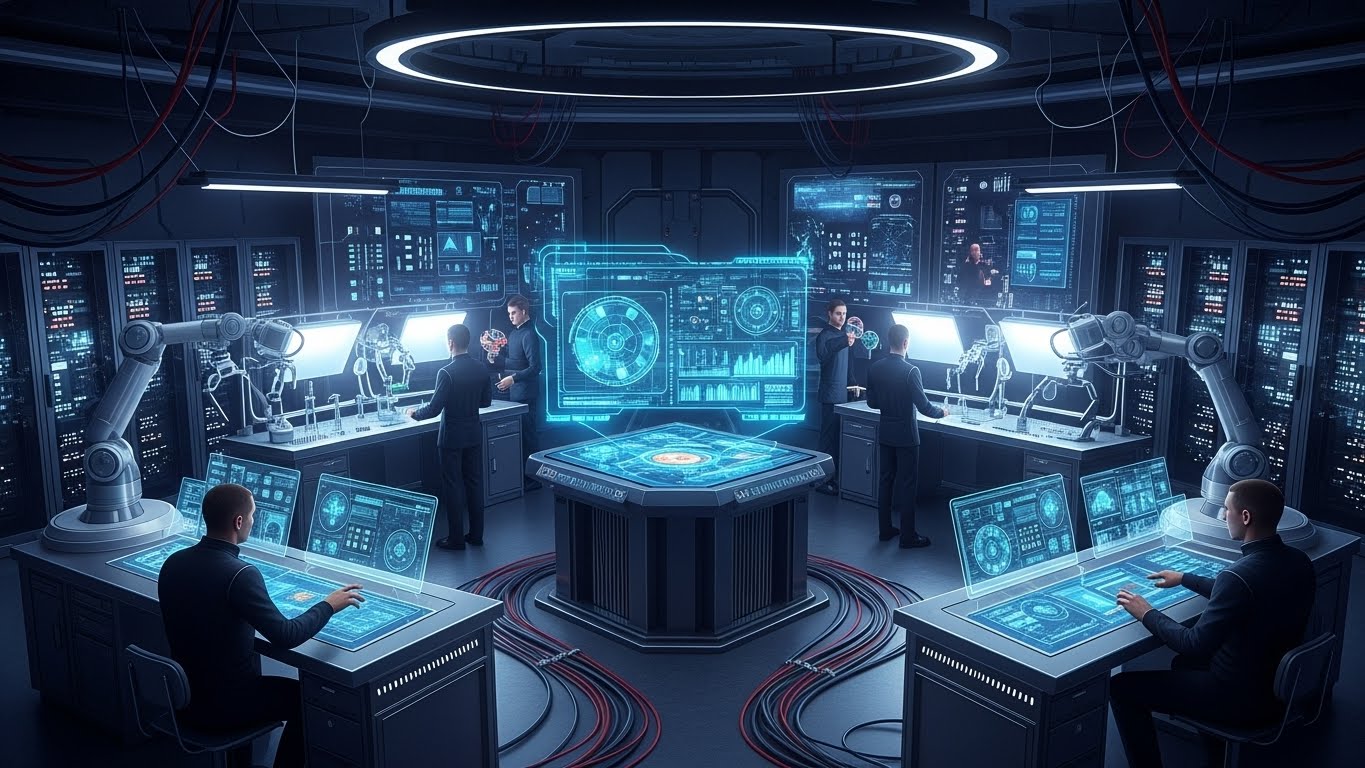

Introduction: A World Transformed by Technology
Technology has become an inseparable part of modern life, influencing how we communicate, work, learn, and entertain ourselves. From smartphones that fit in our pockets to artificial intelligence that can analyze vast amounts of data in seconds, the pace of technological advancement is breathtaking. While some people view this constant evolution with apprehension, it is undeniable that technology has immense potential to improve the quality of life, connect communities, and solve global challenges. In this blog, we will explore the current trends in technology, how it is reshaping industries, and what the future might hold for both individuals and society at large.
The Rise of Artificial Intelligence
Artificial Intelligence, or AI, has moved beyond the realm of science fiction and is now embedded in many aspects of daily life. AI algorithms power everything from recommendation systems on streaming platforms to predictive text on smartphones. Businesses leverage AI to enhance efficiency, automate repetitive tasks, and gain insights from complex data. One of the most significant impacts of AI is in healthcare, where machine learning models can detect diseases at an early stage, assist in medical imaging analysis, and even predict patient outcomes. While AI promises incredible benefits, it also raises ethical questions, such as ensuring fairness in decision-making and protecting privacy. The challenge lies in harnessing AI responsibly while maximizing its potential.
The Internet of Things: A Connected Ecosystem
The Internet of Things (IoT) is transforming the way devices communicate and interact. IoT refers to a network of interconnected devices that collect and exchange data. Smart homes are a prime example, where thermostats, security systems, and appliances work together to optimize energy usage and enhance convenience. In cities, IoT is helping to manage traffic flow, reduce energy consumption, and improve public safety. Industrial IoT, on the other hand, is revolutionizing manufacturing by enabling predictive maintenance and streamlining supply chains. As more devices become connected, the amount of data generated will continue to grow exponentially, raising both opportunities for innovation and challenges related to cybersecurity.
Blockchain Beyond Cryptocurrency
While blockchain technology is often associated with cryptocurrencies, its applications extend far beyond digital currencies. Blockchain provides a secure, transparent, and decentralized way of recording transactions, which has implications for finance, supply chains, healthcare, and governance. For instance, blockchain can ensure the authenticity of products, trace the origin of goods, and prevent fraud. In healthcare, patient records can be securely stored and shared across institutions without compromising privacy. Governments are also exploring blockchain for secure voting systems and transparent public records. As industries recognize the value of trust and transparency, blockchain technology is likely to play a critical role in the digital economy.
The Evolution of 5G and Connectivity
The rollout of 5G networks is set to redefine connectivity. With faster speeds, lower latency, and higher bandwidth, 5G enables new possibilities for augmented reality, virtual reality, and smart cities. Autonomous vehicles, for example, rely on real-time data communication, which 5G can provide. Telemedicine also benefits, allowing doctors to conduct remote surgeries or consultations with minimal delay. Beyond consumer applications, 5G is expected to drive innovation in industries such as logistics, manufacturing, and entertainment. The technology will serve as a foundation for the next generation of connected devices, creating an ecosystem where information flows seamlessly and decisions are made instantly.
Sustainable Tech: Innovating with the Planet in Mind
As technology advances, the need for sustainable innovation becomes more pressing. The tech industry is a significant consumer of energy and resources, prompting the rise of eco-friendly initiatives. Companies are focusing on designing energy-efficient hardware, reducing electronic waste, and developing software that optimizes resource usage. Renewable energy sources are being integrated into data centers, while innovations like smart grids and battery storage are enhancing energy management. Consumers are also driving change, seeking devices that are repairable, recyclable, and environmentally conscious. Sustainable technology represents the intersection of innovation and responsibility, ensuring that progress does not come at the expense of the planet.
Virtual Reality and Augmented Reality: Blurring Realities
Virtual reality (VR) and augmented reality (AR) are reshaping how we interact with digital content. VR creates immersive experiences, allowing users to enter entirely virtual worlds, while AR overlays digital information onto the physical environment. These technologies are finding applications in entertainment, education, healthcare, and retail. VR enables realistic training simulations for surgeons or pilots, while AR enhances shopping experiences by allowing customers to visualize products in their own space. As hardware becomes more affordable and software more sophisticated, the line between the digital and physical worlds will continue to blur, opening up new ways for people to experience information and engage with the world around them.
Cybersecurity in the Age of Digital Transformation
With the proliferation of digital technologies comes an increased risk of cyber threats. Cybersecurity is no longer optional; it is a critical component of personal, corporate, and national security. Hackers are becoming more sophisticated, targeting everything from individual devices to large-scale infrastructure. As technology evolves, cybersecurity measures must keep pace. This includes encryption, multi-factor authentication, threat detection algorithms, and continuous monitoring. Awareness and education also play a vital role in preventing cyber attacks. As businesses and individuals rely more heavily on technology, investing in robust cybersecurity practices is essential to safeguard data, privacy, and trust.
Robotics and Automation: Redefining Work
Robotics and automation are transforming industries by performing tasks that were once solely human responsibilities. In manufacturing, robots enhance precision and efficiency, while in logistics, automated systems streamline warehouse operations. Robotics is also making inroads into healthcare, assisting in surgeries and patient care. Beyond industry, automation affects everyday life, from self-checkout kiosks to intelligent home assistants. While some fear job displacement, many experts believe that automation will complement human work, allowing people to focus on creative, strategic, and interpersonal tasks. The key lies in retraining and upskilling the workforce to adapt to this rapidly evolving landscape.
The Role of Big Data and Analytics
Big data is revolutionizing decision-making across sectors. The ability to collect, store, and analyze vast amounts of information enables businesses to understand consumer behavior, optimize operations, and predict trends. Analytics tools help organizations identify patterns, uncover insights, and make data-driven decisions. In healthcare, big data supports predictive diagnostics and personalized treatment plans. In marketing, it drives targeted campaigns and customer engagement strategies. While the potential of big data is enormous, it also raises questions about privacy, data ownership, and ethical use. Responsible management of data is crucial to ensure that insights are leveraged for positive outcomes without compromising individual rights.
Emerging Technologies on the Horizon
The pace of technological innovation shows no signs of slowing. Emerging technologies such as quantum computing, biotechnology, and brain-computer interfaces promise to transform our world in ways we are only beginning to imagine. Quantum computing, for instance, could solve complex problems in seconds that would take classical computers millennia. Biotechnology offers the potential for personalized medicine, gene editing, and sustainable food production. Brain-computer interfaces could revolutionize communication, accessibility, and human potential. These technologies are still in their nascent stages, but their development highlights the limitless possibilities of human ingenuity and the profound ways technology will shape the future.
Conclusion: Embracing Technology Responsibly
Technology is a powerful tool that has reshaped every aspect of modern life. From AI and IoT to VR, blockchain, and sustainable innovations, the possibilities are endless. However, the rapid pace of change comes with challenges, including ethical considerations, cybersecurity threats, and environmental impacts. The key to a successful future lies in embracing technology responsibly, ensuring that innovation benefits humanity as a whole. By fostering awareness, encouraging ethical practices, and prioritizing sustainability, we can harness the full potential of technology to create a world that is not only more connected and efficient but also more equitable and resilient. The journey ahead is exciting, and the choices we make today will determine how technology enriches lives for generations to come.