
Technology has always been a catalyst for change, pushing the boundaries of what is possible and constantly reshaping how we live, work, and interact. Over the past few decades, technological advancements have transformed nearly every aspect of our lives—from how we communicate to how we navigate the world around us. But the future holds even more promise as emerging technologies continue to evolve at a rapid pace. From artificial intelligence (AI) and blockchain to quantum computing and augmented reality (AR), these innovations are not just altering industries—they are creating entirely new ones.
In this blog post, we will explore some of the most exciting emerging technologies, discuss their potential impact on various sectors, and consider what the future may look like as these technologies become a central part of our daily lives.
1. Artificial Intelligence: The Brain Behind the Machines
Artificial Intelligence (AI) has already made significant inroads into various industries, but its potential is far from fully realized. AI refers to machines or systems that can simulate human intelligence processes such as learning, reasoning, problem-solving, perception, and language understanding. While AI has been in development for decades, recent advancements in machine learning (a subset of AI) have led to breakthroughs that are now being applied in ways we never imagined.
Machine Learning and Deep Learning
Machine learning (ML) has revolutionized many industries by enabling systems to learn from data and make predictions or decisions without human intervention. Deep learning, a more advanced subset of ML, involves training artificial neural networks to recognize patterns and make complex decisions. This technology is behind some of the most advanced AI applications, including image recognition, natural language processing, and self-driving cars.
In healthcare, AI-powered systems are already helping doctors diagnose diseases more accurately and quickly by analyzing medical images, genetic data, and patient histories. AI is also being used in finance to detect fraud, in retail to personalize customer experiences, and in manufacturing to optimize production processes.
As AI continues to improve, its applications will only expand. In the future, we may see AI-driven personal assistants that can manage nearly every aspect of our lives, from scheduling meetings to advising on investment strategies. However, ethical concerns around job displacement and the potential misuse of AI remain significant challenges that society will need to address.
2. Blockchain: Decentralizing Trust
Blockchain technology has gained considerable attention in recent years, largely due to its association with cryptocurrencies like Bitcoin and Ethereum. At its core, blockchain is a decentralized ledger system that records transactions across multiple computers in a way that ensures transparency, security, and immutability.
Beyond Cryptocurrencies
While blockchain’s most famous application is in digital currencies, its potential extends far beyond finance. The technology’s ability to provide secure, tamper-proof records makes it an ideal solution for industries that require high levels of transparency and security. In supply chain management, for example, blockchain can track products from their origin to the consumer, ensuring that they are ethically sourced and that there is no fraud or counterfeit goods involved.
In the healthcare sector, blockchain could streamline patient record management, allowing medical professionals to access a patient’s complete medical history securely and without risk of data breaches. Additionally, blockchain can be applied in voting systems, reducing the risk of election fraud by ensuring the integrity of each vote cast.
While blockchain is still in its infancy, it holds tremendous promise for disrupting traditional business models and creating new decentralized systems that empower individuals rather than large institutions.
3. Quantum Computing: The Next Frontier in Computing Power
Quantum computing is another frontier in technology that promises to revolutionize industries in ways that were previously unimaginable. Unlike classical computers, which process information in binary (0s and 1s), quantum computers use qubits, which can exist in multiple states simultaneously thanks to the principles of quantum mechanics. This allows quantum computers to solve problems much more efficiently than classical computers.
Solving Problems Beyond Classical Computing
The potential applications of quantum computing are vast and could have a profound impact on fields like cryptography, drug discovery, climate modeling, and materials science. For example, quantum computers could significantly speed up the process of developing new medications by simulating the behavior of molecules at a level of detail that classical computers cannot achieve.
In cryptography, quantum computers could potentially break current encryption algorithms, forcing a complete overhaul of cybersecurity systems. However, quantum encryption methods, known as quantum key distribution, are also being developed to create virtually unbreakable encryption that could protect data from any kind of attack.
Quantum computing is still in its early stages, with only a handful of functional quantum computers existing today. However, tech giants like IBM, Google, and Microsoft are pouring resources into quantum research, and it’s expected that we will see practical applications in the next decade.
4. Augmented Reality and Virtual Reality: Redefining Human Interaction
Augmented Reality (AR) and Virtual Reality (VR) are technologies that have already begun to transform entertainment, gaming, and education. However, the potential of these technologies goes far beyond these sectors, offering new ways for humans to interact with the world around them.
The Rise of AR and VR in Various Industries
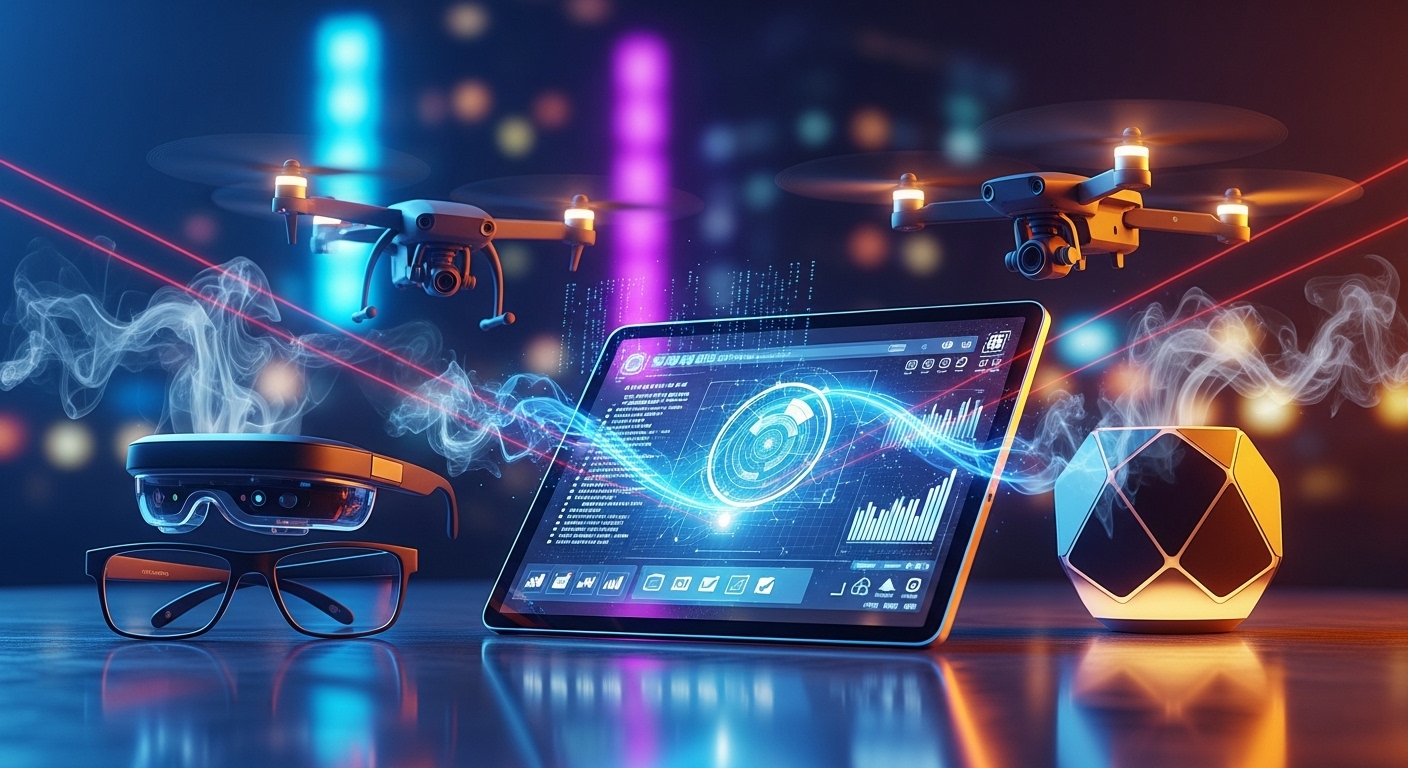
AR enhances the real-world environment by overlaying digital information, such as images, videos, or data, onto the user’s view of the world. This can be as simple as displaying directions on a phone screen or as complex as providing real-time information about a product while shopping in-store. AR has already found applications in retail, healthcare, and even real estate. For example, IKEA uses AR to let customers visualize how furniture will look in their homes before making a purchase.
On the other hand, VR immerses users in a completely digital environment, typically using a headset that blocks out the physical world. VR is already being used for training simulations in industries like aviation and healthcare, where practitioners can practice procedures in a safe, controlled environment before working on real patients or equipment.
As these technologies continue to improve, AR and VR will likely play an even larger role in sectors such as education, entertainment, and remote work. Imagine attending a virtual classroom where you can interact with your instructor and fellow students in a 3D environment or participating in a remote meeting with colleagues where it feels like you are all in the same room.
5. 5G and the Internet of Things: Connecting Everything
The rollout of 5G networks is set to bring about another major technological shift. 5G offers incredibly fast internet speeds, low latency, and the ability to connect a vast number of devices simultaneously. This will make it possible for a wide range of new technologies to function seamlessly in real time, paving the way for the next generation of the Internet of Things (IoT).
A More Connected World
The IoT refers to the network of physical devices—such as smartphones, appliances, cars, and even wearable technology—that are connected to the internet and can exchange data. With the high-speed capabilities of 5G, the IoT will become even more efficient, allowing devices to communicate with one another in real-time with minimal delay.
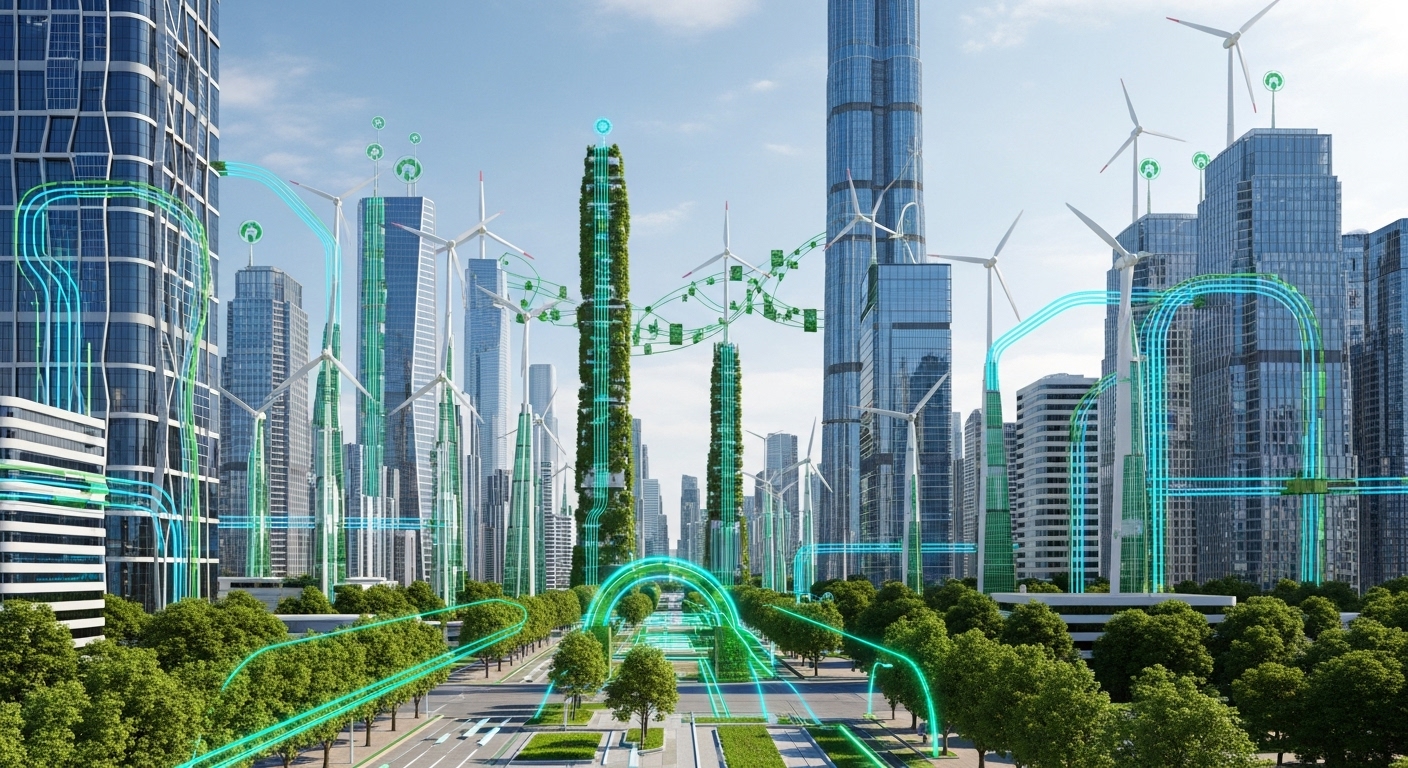
Smart cities are a prime example of how 5G and IoT will work together to improve urban living. With the ability to collect and analyze data from traffic lights, public transportation systems, waste management, and more, cities can optimize resources, reduce energy consumption, and enhance quality of life for residents. In the healthcare sector, IoT devices such as wearable health monitors will allow doctors to track patients’ conditions remotely, providing more personalized care and reducing hospital visits.
6. Biotechnology and Genetic Engineering: The Frontier of Medicine
Biotechnology and genetic engineering are rapidly advancing, opening up new frontiers in medicine and healthcare. One of the most significant developments in this area is gene editing, particularly the CRISPR-Cas9 technology, which allows for precise alterations to DNA. This technology has the potential to treat genetic disorders, enhance human health, and even create genetically modified organisms.
Advances in Personalized Medicine
In the near future, genetic engineering could enable personalized medicine, where treatments are tailored to an individual’s unique genetic makeup. For example, cancer therapies could be customized based on the genetic mutations present in a patient’s tumors, making treatments more effective and reducing side effects.
Biotechnology also holds promise in the field of regenerative medicine, where stem cells and tissue engineering could be used to repair damaged organs and tissues, potentially eliminating the need for organ transplants.
Conclusion
The future of technology is incredibly exciting, with emerging innovations that promise to change the world in ways we can barely imagine. From the transformative power of artificial intelligence and blockchain to the mind-bending possibilities of quantum computing and biotechnology, we are on the cusp of a new era in human progress.
As these technologies continue to evolve, they will create new industries, opportunities, and challenges. While the potential for positive change is vast, there are also ethical, social, and economic considerations that we must address as a society. Ultimately, how we embrace and manage these technologies will determine the shape of our future. The one thing that is certain is that the journey ahead will be nothing short of extraordinary.