
The rapid evolution of technology has changed how we interact with the world around us, and one of the most profound changes is the rise of artificial intelligence (AI). Once confined to science fiction, AI is now a pervasive force influencing virtually every aspect of life. From self-driving cars to AI-driven medical diagnosis, the transformative potential of AI is limitless. But as this technology continues to advance, it’s essential to understand its implications, both positive and negative, for society, business, and personal life.
In this blog post, we’ll explore how AI is shaping our future, the challenges it presents, and what we can expect as we move forward into an increasingly automated world.
Understanding Artificial Intelligence: A Broad Overview
At its core, artificial intelligence refers to the ability of machines to perform tasks that typically require human intelligence. This includes learning from experience, recognizing patterns, making decisions, and even understanding natural language. While AI encompasses a broad range of technologies, its applications can generally be grouped into two categories: narrow AI and general AI.
Narrow AI
Narrow AI, also known as weak AI, is designed to perform a specific task or a set of tasks. Examples of narrow AI include virtual assistants like Siri or Alexa, recommendation algorithms on platforms such as Netflix or Amazon, and even AI used in healthcare to analyze medical images. These systems are incredibly efficient within their designated roles, but they lack the general intelligence required to perform tasks beyond their programming.
General AI
General AI, also referred to as strong AI, represents a more advanced form of artificial intelligence that can learn and apply knowledge across a wide range of tasks, similar to human cognitive abilities. Although general AI is still largely theoretical and remains a topic of research, the possibilities it presents are enormous. A truly autonomous AI could, in theory, revolutionize everything from manufacturing to personal relationships.
AI in Everyday Life: How It’s Already Impacting Us
AI is no longer something of the future—it’s here, and it’s impacting our daily lives in ways we may not even realize. From the moment you wake up and check your phone, to when you order your groceries or take a ride in an Uber, AI is quietly working behind the scenes to make things smoother, more efficient, and even safer.
1. AI in Personal Assistants
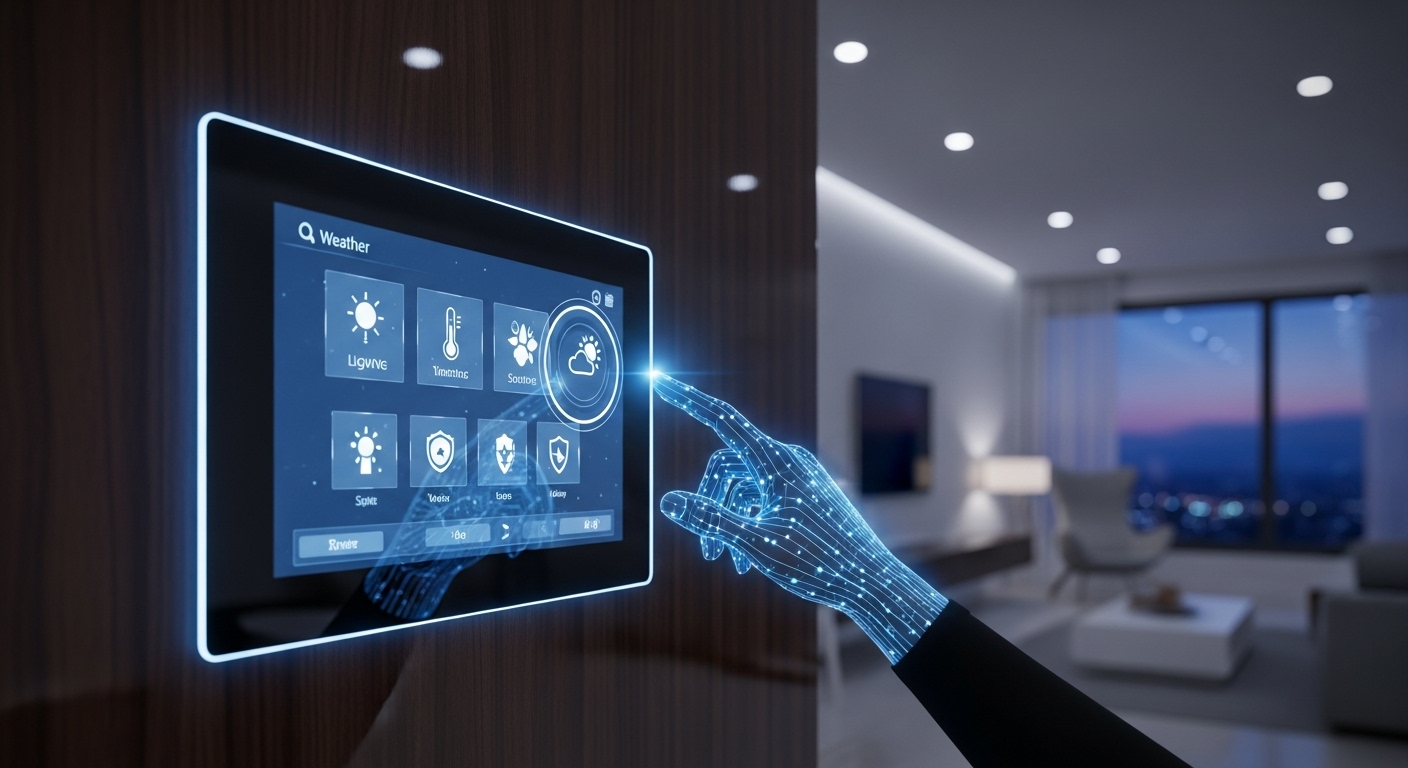
Voice-activated assistants like Apple’s Siri, Amazon’s Alexa, and Google Assistant are now household names. These AI-powered tools can set reminders, answer questions, play music, and even control smart home devices. They rely on natural language processing (NLP) to understand and respond to spoken commands. While they are still in their early stages, they are improving rapidly, and the integration of more advanced AI will continue to enhance their usefulness in everyday tasks.
2. AI in Healthcare
One of the most exciting and impactful applications of AI is in healthcare. AI is increasingly being used to analyze medical images, predict disease outbreaks, and even assist in diagnosing conditions such as cancer or heart disease. Machine learning algorithms can sift through large datasets to identify patterns and trends that might be missed by human doctors, leading to earlier detection and more accurate diagnoses. AI is also improving drug discovery, enabling researchers to test compounds faster and more efficiently.
3. AI in Autonomous Vehicles
Self-driving cars are one of the most talked-about applications of AI. Companies like Tesla, Waymo, and others are using AI to develop vehicles that can drive themselves, making transportation safer and more efficient. These autonomous vehicles use AI to navigate the roads, avoid obstacles, and follow traffic laws. While there are still challenges to overcome in terms of safety and regulation, autonomous vehicles hold the potential to revolutionize the transportation industry and reduce accidents caused by human error.
4. AI in Entertainment and Media
From streaming recommendations on Netflix to AI-generated music, artificial intelligence is changing the entertainment landscape. Streaming platforms like Spotify and YouTube use machine learning to personalize content recommendations, offering users a tailored experience based on their viewing or listening habits. AI is also being used in the creation of content itself—algorithms are now capable of generating music, writing stories, and even creating artwork.
The Business Transformation: AI’s Role in the Corporate World
In addition to its impact on individual lives, AI is transforming industries and businesses, leading to greater productivity and new business models. Companies across sectors are adopting AI tools to streamline operations, enhance customer service, and drive innovation.
1. AI in Customer Service
Chatbots and virtual assistants are rapidly changing the way companies handle customer service. These AI-powered tools can answer customer inquiries, troubleshoot problems, and even complete transactions, providing 24/7 support. Businesses can use AI to improve the customer experience by offering instant, personalized assistance, reducing wait times, and handling high volumes of requests simultaneously. AI-powered chatbots are already being used by giants like Amazon, Bank of America, and many others.
2. AI in Marketing and Advertising
AI is revolutionizing marketing and advertising by enabling companies to deliver hyper-targeted campaigns. Machine learning algorithms can analyze consumer data, predict trends, and automate content creation, allowing brands to deliver the right message to the right person at the right time. Predictive analytics also helps marketers forecast customer behavior, optimize pricing strategies, and improve ROI on advertising spend.
3. AI in Supply Chain Management
AI has the potential to optimize supply chain operations, making them more efficient and cost-effective. Through predictive analytics, AI can forecast demand, automate inventory management, and identify potential disruptions in the supply chain. This enables companies to make data-driven decisions, reduce waste, and improve delivery times.
4. AI in Human Resources
Human resources departments are increasingly using AI tools for recruiting, hiring, and employee management. AI-powered systems can screen resumes, assess candidates based on their skills and experiences, and even predict employee turnover. These tools can help HR departments save time and resources while making more informed decisions about hiring and talent management.
Ethical Implications of AI: A Double-Edged Sword
While the benefits of AI are undeniable, the technology also brings about significant ethical challenges. As AI continues to evolve, it raises questions about privacy, accountability, bias, and even the potential loss of jobs.
1. Privacy and Data Security
As AI systems rely heavily on data to function, concerns around privacy and data security are paramount. Personal information, from medical records to financial transactions, is increasingly being analyzed by AI algorithms. The collection and use of this data raise important questions about consent, data protection, and who has access to it. Without proper safeguards, AI systems could be used to infringe upon individuals’ privacy.
2. Bias in AI
AI algorithms are only as good as the data they are trained on, and if that data is biased, the results will be too. This issue has already been highlighted in areas like facial recognition and hiring algorithms, where AI systems have been shown to exhibit racial or gender biases. Addressing bias in AI is crucial to ensure fairness and avoid perpetuating existing societal inequalities.
3. Job Displacement
As AI automates more tasks, there is a growing concern about job displacement. Many roles in manufacturing, transportation, and customer service are at risk of being replaced by AI and automation. While new jobs will likely emerge in AI-related fields, the transition could be difficult for workers in industries that are most affected. Governments, companies, and workers themselves must prepare for this shift to minimize its negative impact on employment.
The Future of AI: What’s Next?
Looking ahead, the potential for AI is boundless. As technology continues to advance, we can expect even more sophisticated applications of AI, including the development of general AI, which would mark a significant leap forward in terms of machine intelligence. However, this future also comes with risks, including the need for robust regulation and ethical considerations.
The future of AI will likely be shaped by collaboration between governments, businesses, and technologists. Policies must be developed to ensure that AI is used responsibly, with proper oversight and accountability. Additionally, education and reskilling programs will be critical in helping workers adapt to the changing job landscape.
Conclusion
Artificial intelligence is already changing our world in profound ways, from improving healthcare to reshaping business practices. While it brings tremendous opportunities for growth, it also raises important ethical and societal challenges. The future of AI is bright, but it requires careful thought and responsible implementation to ensure it benefits humanity as a whole.
As we move forward, it’s essential to stay informed, think critically about the implications of AI, and embrace its potential while addressing its challenges. In the coming years, AI will undoubtedly play a central role in shaping our society, and it’s up to us to guide its development responsibly.