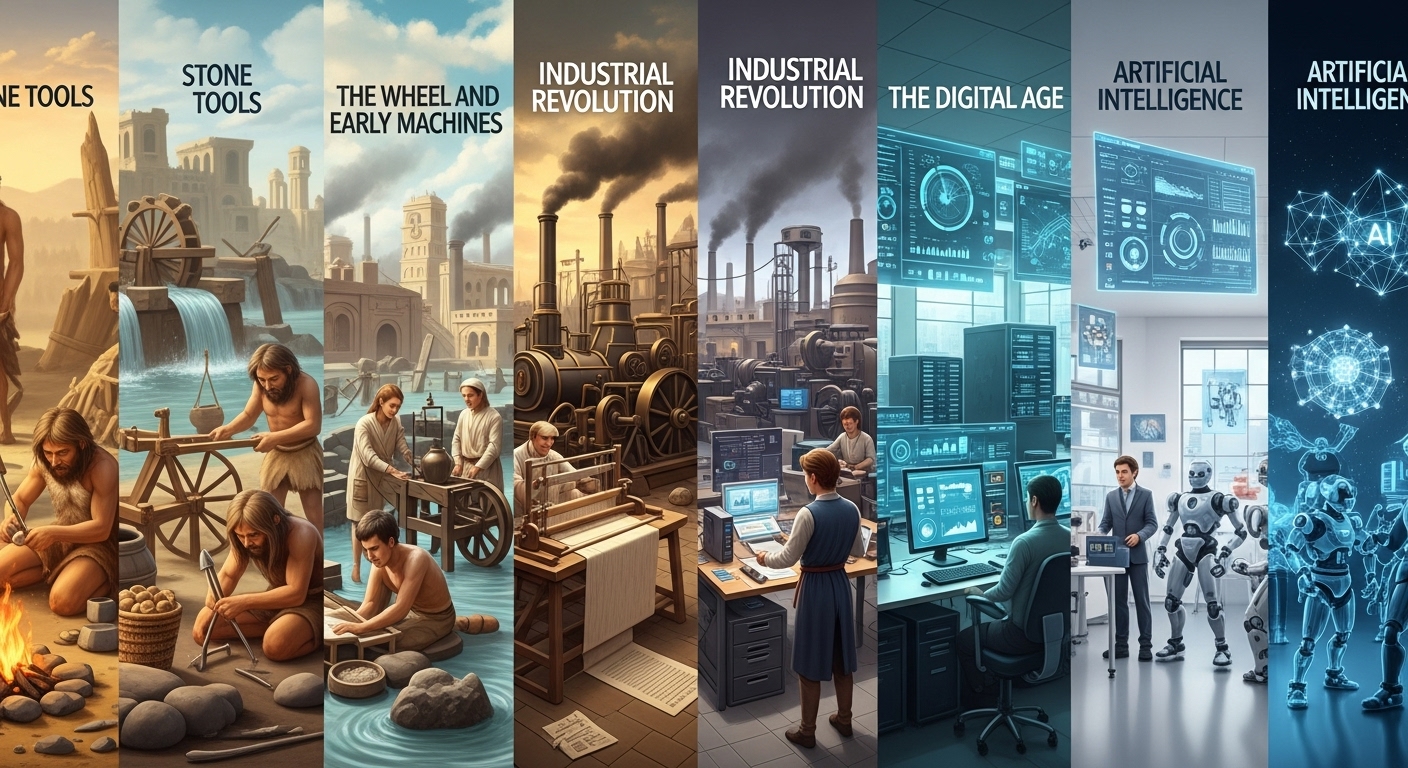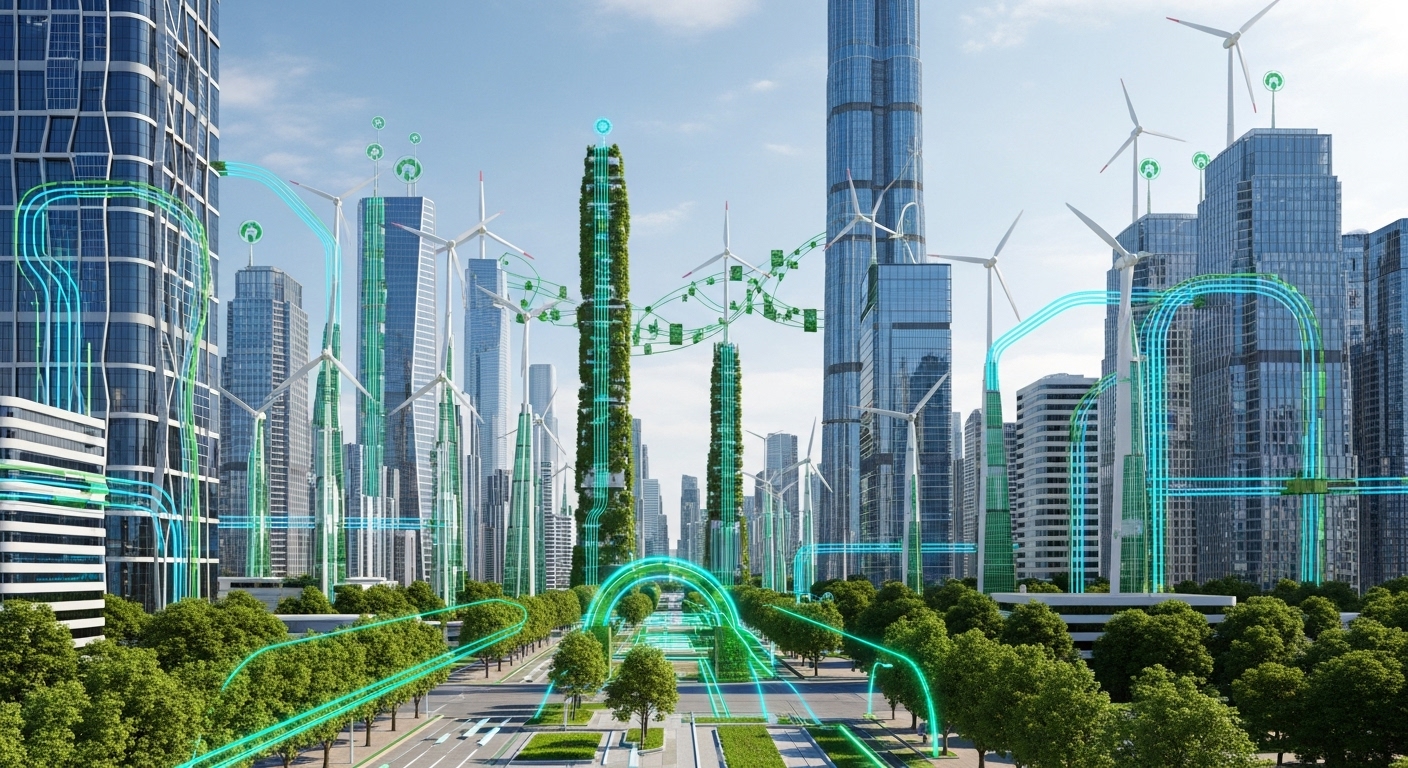

Introduction: The Unstoppable Wave of Technological Progress
Technology is not just a driving force of the present; it is the architect of our future. From smartphones in our pockets to complex artificial intelligence systems that can outperform human capabilities, technology touches nearly every aspect of our daily lives. The rapid advancements in fields like AI, machine learning, biotechnology, and quantum computing are revolutionizing industries, redefining social interactions, and even altering the course of history. However, while technology promises remarkable benefits, it also presents challenges, ethical dilemmas, and questions about the future of human interaction with machines. In this blog post, we will explore how technology is shaping the world around us, the innovations that are leading the charge, and the impact these changes may have on society in the coming years.
The Rise of Artificial Intelligence: Revolutionizing Industries
Artificial intelligence (AI) is perhaps the most transformative technology of the 21st century. Once the stuff of science fiction, AI is now a key player in a wide range of industries, from healthcare and finance to entertainment and autonomous vehicles. AI systems have the ability to analyze vast amounts of data, recognize patterns, and make decisions faster and more accurately than humans.
In healthcare, AI is being used to assist in diagnosing diseases, predicting patient outcomes, and even discovering new treatments. For example, AI-powered tools can analyze medical images to detect early signs of diseases like cancer, sometimes with more accuracy than human doctors. Moreover, AI is enabling the development of personalized treatment plans by analyzing patient data to recommend the best possible therapies.
In the business world, AI is transforming customer service through chatbots, improving supply chain logistics with predictive analytics, and enhancing marketing strategies by analyzing consumer behavior. By automating routine tasks, AI allows businesses to focus on more strategic initiatives, increasing productivity and profitability.
One of the most exciting applications of AI is in the realm of autonomous vehicles. Companies like Tesla, Waymo, and others are developing self-driving cars that use AI algorithms to navigate roads, avoid obstacles, and make real-time decisions. Although fully autonomous vehicles are still in the testing phase, the potential for reducing traffic accidents, improving transportation efficiency, and lowering emissions is immense.
However, the rise of AI also brings concerns about job displacement, privacy, and ethical dilemmas. As machines become more capable of performing tasks traditionally done by humans, questions arise about the future of work and how society will adapt to these changes. Furthermore, AI systems can be vulnerable to biases in data, leading to potential discrimination or unfair outcomes.
The Impact of 5G Technology: A New Era of Connectivity
The advent of 5G technology promises to revolutionize the way we connect with each other and the world around us. 5G, the fifth generation of mobile network technology, is set to deliver faster internet speeds, lower latency, and more reliable connections than ever before. While 4G technology paved the way for smartphones, social media, and video streaming, 5G will take connectivity to an entirely new level.
With 5G, download speeds will increase dramatically, enabling high-definition video streaming without buffering and faster downloads for everything from apps to large files. In addition to faster speeds, 5G will reduce latency, the time it takes for data to travel between devices. This is critical for applications like virtual reality (VR) and augmented reality (AR), which require near-instantaneous communication to deliver seamless user experiences.
One of the most significant impacts of 5G will be on the Internet of Things (IoT). With its ability to support a massive number of connected devices, 5G will enable smart cities, autonomous vehicles, and connected homes to operate more efficiently. For example, smart traffic systems that adjust to real-time traffic conditions or self-driving cars that communicate with each other to avoid accidents will rely heavily on 5G networks to function properly.
While the benefits of 5G are clear, the widespread rollout of this technology also comes with challenges. Infrastructure upgrades are needed to support 5G networks, and there are concerns about the environmental impact of building and maintaining this new infrastructure. Additionally, there are debates around security and privacy, as 5G networks will require robust protections against potential cyber threats.
Blockchain Technology: The Future of Security and Transparency
Blockchain technology, most commonly associated with cryptocurrencies like Bitcoin, is proving to be one of the most exciting innovations in recent years. At its core, blockchain is a decentralized, distributed ledger that records transactions across multiple computers. This technology is designed to be secure, transparent, and immutable, making it ideal for applications that require trust and accountability.
In the financial sector, blockchain has the potential to revolutionize how transactions are conducted. Traditional financial systems rely on centralized institutions like banks to process payments and ensure security. Blockchain, on the other hand, allows for peer-to-peer transactions without the need for an intermediary. This could reduce transaction fees, speed up cross-border payments, and increase financial inclusion by giving people in underserved areas access to financial services.
Beyond finance, blockchain is being explored for use in supply chain management, voting systems, and even healthcare. By providing an immutable record of transactions, blockchain can ensure that products are sourced ethically, verify the authenticity of products, and improve traceability. In voting systems, blockchain can provide a secure and transparent way to conduct elections, reducing the risk of fraud and ensuring that every vote is counted accurately.
Despite its potential, blockchain is not without challenges. The technology requires significant computing power, which can be energy-intensive. Additionally, the decentralized nature of blockchain makes it more difficult to regulate, raising concerns about illegal activities like money laundering and fraud. As with any emerging technology, the long-term viability of blockchain will depend on overcoming these challenges.
Quantum Computing: A Leap Into the Future
Quantum computing represents a radical departure from traditional computing. While classical computers process information in binary (0s and 1s), quantum computers use quantum bits, or qubits, which can exist in multiple states simultaneously. This allows quantum computers to perform complex calculations much faster than classical computers, potentially solving problems that are currently beyond the capabilities of even the most powerful supercomputers.
Quantum computing has the potential to transform fields such as cryptography, material science, drug discovery, and artificial intelligence. For example, quantum computers could be used to break existing encryption methods, leading to the development of new, more secure forms of cryptography. In the field of medicine, quantum computers could simulate molecular interactions at an unprecedented level of detail, potentially speeding up the discovery of new drugs.
Despite its promise, quantum computing is still in its infancy. Building and maintaining a stable quantum computer is an incredibly complex task, and current quantum computers are highly sensitive to environmental factors, which makes them prone to errors. Additionally, the technology is expensive, and the necessary infrastructure to support quantum computing is still being developed.
As quantum computing continues to evolve, it will likely have a profound impact on industries that rely on complex computations. However, it will also bring new challenges, particularly in the area of cybersecurity, where the ability of quantum computers to break traditional encryption could require a complete overhaul of current security protocols.
Biotechnology: Advancing Human Health and Longevity
Biotechnology is one of the most promising fields in science and technology, with the potential to revolutionize healthcare, agriculture, and environmental sustainability. Advances in genetic engineering, CRISPR technology, and personalized medicine are opening up new possibilities for treating diseases, improving food production, and enhancing human longevity.
CRISPR, a groundbreaking gene-editing technology, allows scientists to modify DNA with unprecedented precision. This technology has the potential to cure genetic diseases by editing defective genes in human embryos, as well as to create genetically modified organisms (GMOs) that are more resistant to diseases and pests. In medicine, personalized treatments based on an individual’s genetic makeup are becoming more common, allowing doctors to prescribe medications that are tailored to each patient’s specific needs.
In addition to human health, biotechnology is playing a key role in addressing environmental challenges. Genetically modified crops are being developed to withstand climate change, reduce pesticide use, and increase food production. Biotechnology is also being used to create sustainable solutions for energy production, waste management, and pollution control.
However, biotechnology raises ethical and safety concerns. The ability to edit genes has profound implications for humanity, and questions about the potential misuse of this technology abound. Ensuring that biotechnology is developed and implemented responsibly will require careful regulation and oversight.
Conclusion: Embracing the Technological Future
As we stand on the brink of a new era defined by rapid technological advancements, the possibilities seem endless. From artificial intelligence and blockchain to quantum computing and biotechnology, these innovations have the power to transform every aspect of our lives. However, with these advancements come challenges—ethical considerations, environmental impacts, and the need for robust security and privacy protections.
The future of technology is both exciting and uncertain. It is up to us to harness the potential of these innovations while ensuring that they are used responsibly and equitably. The choices we make today will shape the world of tomorrow, and it is essential that we strike a balance between progress and caution, so that technology can continue to improve our lives without compromising the values we hold dear.