Introduction
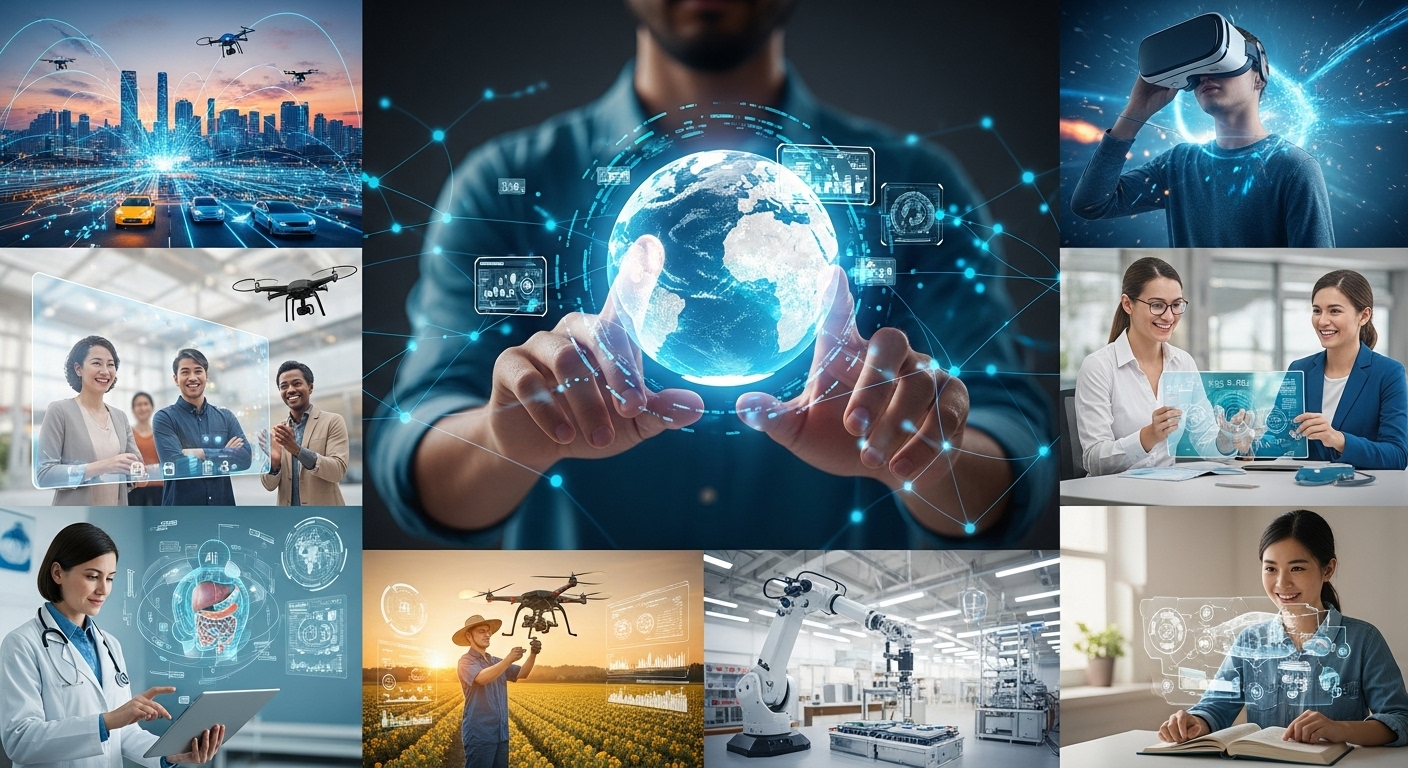
Technology has always been a driving force behind human progress. From the invention of the wheel to the rise of the internet, every major technological breakthrough has fundamentally transformed the way we live, work, and communicate. In the 21st century, the pace of technological advancement has accelerated dramatically, touching every aspect of our daily lives. Artificial intelligence, blockchain, biotechnology, and renewable energy innovations are no longer concepts of science fiction—they are shaping our present and future. This blog explores the current trends, implications, and potential directions of technology in our rapidly evolving world.
The Rise of Artificial Intelligence
Artificial intelligence (AI) has emerged as one of the most transformative forces in the modern era. AI systems are capable of analyzing massive datasets, identifying patterns, and making decisions at speeds far beyond human capability. From virtual assistants that manage daily schedules to complex algorithms driving autonomous vehicles, AI is becoming increasingly integrated into society.
One of the most significant developments in AI is the rise of generative AI, which can create content ranging from text and music to images and videos. This technology is revolutionizing industries such as media, entertainment, and marketing. Businesses are leveraging AI to streamline operations, optimize supply chains, and enhance customer experiences. However, the rapid adoption of AI also raises ethical questions, including the potential for job displacement, privacy concerns, and biases embedded in algorithms. Managing these challenges will be crucial to ensuring AI serves humanity responsibly.
Blockchain Beyond Cryptocurrency
While blockchain technology is widely known for its role in cryptocurrency, its potential extends far beyond digital currencies. Blockchain provides a decentralized, secure, and transparent method of recording transactions. This has applications in various sectors including finance, healthcare, supply chain management, and even voting systems.
In finance, blockchain can reduce fraud and improve transaction efficiency by eliminating intermediaries. In supply chains, it enables real-time tracking of goods, ensuring authenticity and reducing counterfeiting. Healthcare institutions are exploring blockchain to secure patient records while ensuring privacy and accessibility. Despite its promise, blockchain adoption faces challenges such as scalability, regulatory hurdles, and environmental concerns related to energy-intensive mining processes. Nevertheless, its ability to provide trust and transparency makes it a revolutionary technology with long-term implications.
The Internet of Things and Smart Cities
The Internet of Things (IoT) is another technological trend reshaping the world. IoT refers to the interconnected network of devices that communicate and share data with one another. From smart homes to industrial sensors, IoT enables automation, efficiency, and enhanced decision-making.
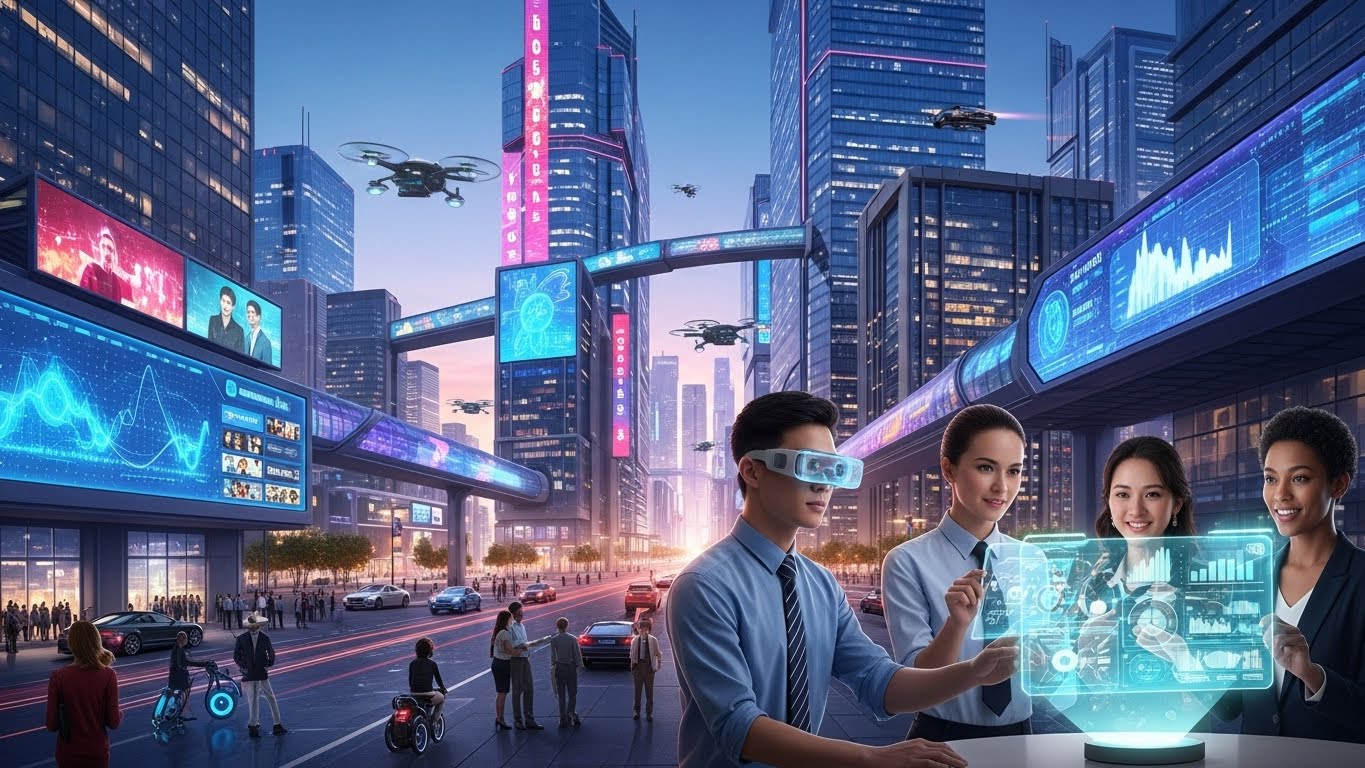
Smart cities, powered by IoT, are a prime example of how technology can improve urban living. These cities use connected devices to manage traffic, monitor air quality, optimize energy consumption, and enhance public safety. Smart grids and intelligent transportation systems reduce congestion and environmental impact while improving the quality of life for residents. However, the proliferation of IoT devices also raises concerns about cybersecurity, data privacy, and the digital divide, highlighting the need for robust policies and infrastructure to support widespread adoption.
Advancements in Biotechnology
Biotechnology is transforming medicine, agriculture, and environmental sustainability. Genetic engineering, gene editing tools like CRISPR, and regenerative medicine are enabling breakthroughs that were unimaginable a few decades ago. In healthcare, personalized medicine is emerging, tailoring treatments based on an individual’s genetic makeup. This approach increases the effectiveness of therapies while minimizing side effects.
Agricultural biotechnology is addressing food security by developing crops that are more resilient to climate change, pests, and disease. Additionally, biotechnology contributes to sustainability through innovations such as biofuels, biodegradable materials, and carbon capture technologies. While the potential is immense, ethical considerations, regulatory frameworks, and long-term ecological impacts must be carefully considered to ensure responsible implementation.
Renewable Energy and Sustainable Tech
The global push toward renewable energy is another area where technology is driving meaningful change. Solar panels, wind turbines, and energy storage solutions are becoming more efficient and affordable, making clean energy a viable alternative to fossil fuels. The integration of smart grids, AI-driven energy management systems, and electric vehicles is creating a more sustainable energy ecosystem.
Technological advancements are also enabling decentralized energy systems, where communities and individuals can produce, store, and consume energy locally. This approach reduces reliance on centralized power grids, enhances resilience, and promotes energy equity. The transition to renewable energy is not only an environmental imperative but also an economic opportunity, spurring innovation and creating new industries.
The Impact of Technology on Work and Society
Technology is reshaping the workplace in profound ways. Automation, AI, and robotics are increasing productivity, but they are also redefining job roles. Routine tasks are increasingly handled by machines, allowing humans to focus on creativity, critical thinking, and problem-solving. Remote work technologies, cloud computing, and collaboration tools have transformed the way organizations operate, making work more flexible and global.
Education and skill development are also evolving in response to technological change. Online learning platforms, virtual classrooms, and AI-driven tutoring systems are providing personalized and accessible learning opportunities. This shift is democratizing education but also requires individuals to adapt continually and acquire new skills to remain competitive in a tech-driven economy.
Ethical and Societal Challenges
As technology advances, it brings both opportunities and challenges. Issues such as data privacy, cybersecurity, algorithmic bias, and digital ethics have become central concerns. Governments, corporations, and individuals must navigate the delicate balance between innovation and responsibility. Ensuring that technology serves society equitably and inclusively requires thoughtful policies, transparency, and collaboration across sectors.
Moreover, the environmental impact of technology, including electronic waste and energy consumption, cannot be ignored. Sustainable design, circular economy practices, and eco-friendly innovation are essential to mitigating the ecological footprint of technological growth. Ethical frameworks and global cooperation will play a crucial role in shaping a technology-driven future that benefits all.
The Role of Human Creativity in a Tech-Driven World
Despite the rapid pace of technological advancement, human creativity and intuition remain irreplaceable. Technology can augment human capabilities, but it cannot replicate the nuanced understanding, empathy, and ingenuity that define human intelligence. Innovation thrives at the intersection of human creativity and technological tools, enabling breakthroughs in art, science, and problem-solving.
By embracing technology while preserving human values, society can harness the full potential of innovation. Collaborative efforts between humans and machines are already producing remarkable outcomes, from medical discoveries to artistic creations. This partnership between human ingenuity and technological power will define the next era of progress.
Looking Ahead: The Future of Technology
The future of technology is both exciting and complex. Emerging fields such as quantum computing, brain-computer interfaces, and space exploration promise to redefine what is possible. Quantum computing could revolutionize industries by solving problems that are currently intractable, while brain-computer interfaces may transform healthcare, communication, and human cognition. Space technology, including satellite networks and interplanetary exploration, expands the boundaries of human capability and understanding.
However, the pace of change also demands careful stewardship. Policymakers, technologists, and society at large must anticipate risks, ensure equitable access, and cultivate a culture of responsible innovation. The choices made today will shape not only the technological landscape but also the social, ethical, and environmental fabric of the future.
Conclusion
Technology is no longer a distant vision of the future; it is an integral part of our present reality. From AI and blockchain to renewable energy and biotechnology, innovations are transforming industries, societies, and daily life. While the potential for positive impact is immense, these advancements also require careful consideration of ethical, social, and environmental implications. By embracing technology thoughtfully and creatively, humanity can harness its power to build a more connected, sustainable, and prosperous world. The future belongs to those who can navigate the intersection of innovation, responsibility, and human ingenuity.