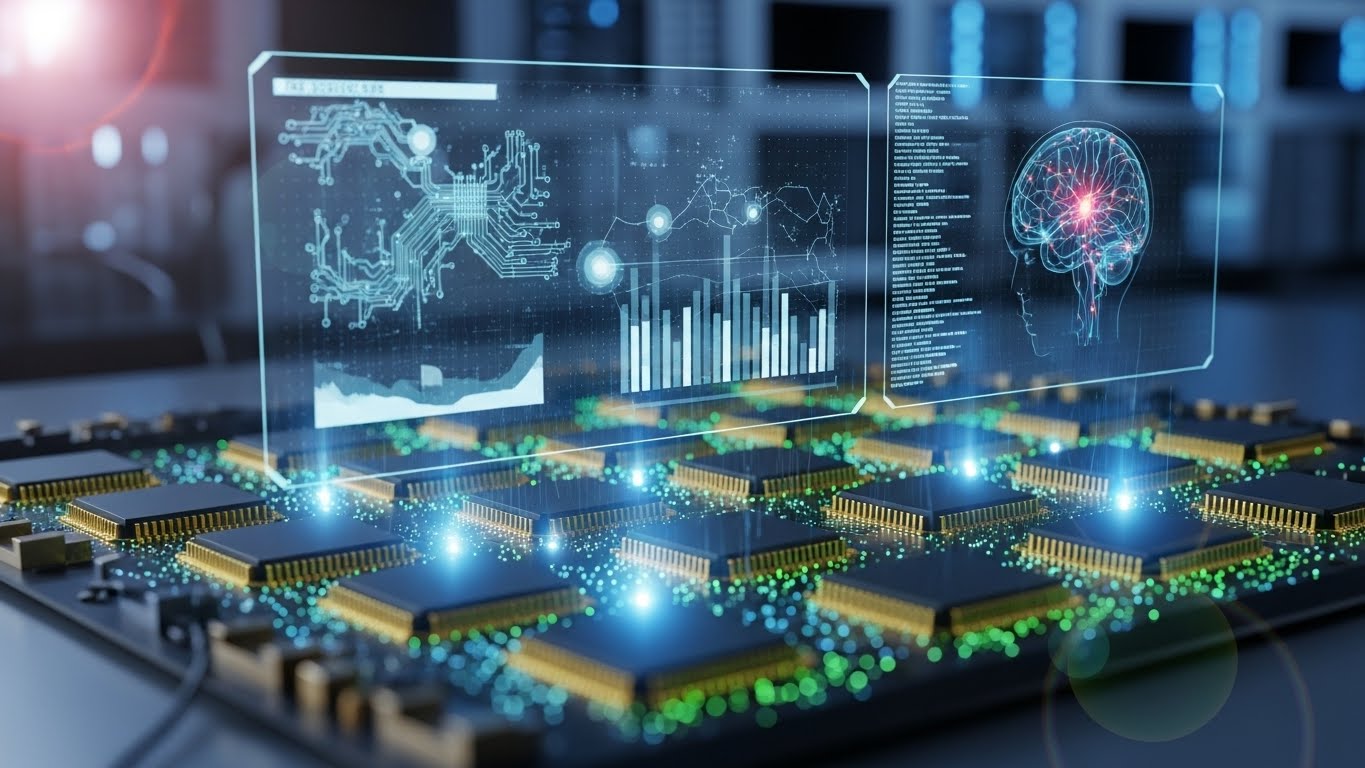
Technology has always been a driving force behind human progress. From the first fire we learned to control to the invention of the internet, each leap has transformed society in profound ways. In the modern era, technology is evolving at an unprecedented pace, touching every aspect of our lives. From artificial intelligence to blockchain, 5G networks to biotechnology, the innovations we are witnessing today promise to redefine the way we live, work, and interact. This blog post explores the most significant emerging technologies and how they are shaping the future.
Artificial Intelligence and Machine Learning: The Brains of Modern Technology
Artificial intelligence and machine learning are at the forefront of technological transformation. These systems enable machines to perform tasks that traditionally required human intelligence, such as understanding language, recognizing images, and making decisions based on data. AI is no longer confined to research labs; it is embedded in the apps we use, the services we rely on, and even the devices in our homes.
Machine learning, a subset of AI, allows systems to learn from experience and improve over time. In healthcare, AI algorithms assist doctors in diagnosing diseases more accurately and predicting patient outcomes. In finance, AI monitors transactions to detect fraudulent activity, sometimes even before humans notice it. Retailers use AI to personalize shopping experiences, recommending products based on past behavior.
The future of AI promises even more transformative changes. Autonomous vehicles powered by AI could reduce traffic accidents and reshape urban infrastructure. AI-driven virtual assistants could become sophisticated enough to handle complex personal and professional tasks. While the benefits are enormous, AI also raises ethical questions, such as potential job displacement and the need for unbiased algorithms. As this technology advances, society must balance innovation with responsibility.
Quantum Computing: Unlocking Infinite Possibilities
Quantum computing is poised to revolutionize computing by solving problems that classical computers cannot. Unlike traditional computers, which process information in binary form, quantum computers use quantum bits, or qubits, which can exist in multiple states simultaneously. This allows them to perform complex calculations at speeds unimaginable with conventional systems.
Industries such as medicine, logistics, and cryptography are likely to be transformed by quantum computing. In drug discovery, quantum algorithms could simulate molecular interactions in ways that drastically reduce research time and costs. In cybersecurity, quantum computers may eventually break traditional encryption methods, requiring entirely new approaches to data protection. Even in climate science, quantum computing could model environmental systems with a precision that helps combat global warming.
Despite its promise, quantum computing is still in its early stages. Building stable, scalable quantum systems is a monumental engineering challenge. However, companies around the world are investing billions into research, and the first practical applications are likely to emerge within the next decade.
5G Networks and the Internet of Things: Connecting the World Seamlessly
The rollout of 5G networks is set to redefine connectivity. Unlike previous generations of wireless technology, 5G offers faster speeds, lower latency, and the ability to connect far more devices simultaneously. This will have profound implications for both consumers and industries.
One of the most exciting developments enabled by 5G is the Internet of Things. IoT refers to a network of connected devices, from smart homes to industrial sensors, that communicate and share data seamlessly. In smart cities, traffic systems, waste management, and energy grids can be optimized in real time, improving efficiency and reducing environmental impact.
In healthcare, 5G-enabled devices allow for real-time remote monitoring of patients, making telemedicine more effective and accessible. In manufacturing, smart factories equipped with IoT devices can adapt production processes dynamically, increasing productivity and reducing waste. The combination of 5G and IoT represents a leap toward a more interconnected and intelligent world.
Blockchain Technology: Beyond Cryptocurrency
Blockchain technology is most commonly associated with cryptocurrencies, but its potential extends far beyond digital money. At its core, blockchain is a secure, decentralized ledger that records transactions transparently and tamper-proof. This makes it ideal for applications that require trust, accountability, and efficiency.
In supply chain management, blockchain can track products from origin to consumer, reducing fraud and improving transparency. In finance, blockchain-based systems enable faster, cheaper, and more secure transactions across borders. Even in voting systems, blockchain offers the possibility of tamper-resistant elections, increasing trust in democratic processes.
Smart contracts, another innovation enabled by blockchain, are self-executing agreements that automatically enforce terms. These contracts have the potential to streamline legal, business, and financial processes, reducing bureaucracy and errors. As blockchain matures, its impact on industries as diverse as healthcare, logistics, and digital identity management will continue to grow.
Virtual Reality, Augmented Reality, and the Metaverse
Virtual reality and augmented reality technologies are redefining human interaction with digital content. VR immerses users in entirely digital environments, while AR overlays digital information onto the real world. Together, they create experiences that blur the line between physical and digital reality.
The metaverse, a fully immersive digital universe, is the ultimate vision of these technologies. In the metaverse, people can socialize, work, and engage in commerce within virtual spaces. Companies are exploring virtual offices, digital marketplaces, and interactive educational platforms within these environments. For entertainment, VR and AR offer new ways to experience gaming, sports, and live events, creating entirely new forms of engagement.
While still in early stages, VR and AR have already demonstrated their potential to transform education, training, and business operations. Virtual classrooms can allow students from across the world to learn interactively. Training simulations can prepare professionals for dangerous or complex tasks without real-world risks. As hardware becomes more affordable and software more sophisticated, these technologies will become increasingly integrated into daily life.
Biotechnology and the Convergence of Health and Technology
Biotechnology is transforming the way we understand and treat diseases. Advances in genetic research, medical diagnostics, and personalized medicine are allowing for treatments tailored to individual patients, improving outcomes and reducing side effects.
Gene-editing technologies like CRISPR are revolutionizing medicine by allowing precise modifications to DNA. This opens the possibility of curing genetic disorders, enhancing human health, and even addressing the biological processes of aging. Personalized medicine, informed by genetic data and AI analysis, enables treatments designed specifically for an individual’s biology, rather than a one-size-fits-all approach.
Wearable devices, health monitoring apps, and remote diagnostics are integrating technology into everyday healthcare. Patients can track vital signs, monitor chronic conditions, and receive alerts when medical attention is needed. This convergence of health and technology is empowering individuals to take greater control over their wellbeing while enabling healthcare providers to deliver more precise and timely care.
Ethical Challenges in the Age of Technology
While technological advancements bring incredible opportunities, they also introduce complex ethical challenges. Artificial intelligence can perpetuate biases if not carefully designed. Automation could displace millions of jobs, requiring societies to rethink labor, education, and income distribution. Data privacy is an ongoing concern, especially as IoT and AI systems collect vast amounts of personal information.
Emerging technologies like biotechnology and gene editing raise moral questions about human enhancement, consent, and the potential for inequality. The metaverse and VR technologies pose questions about addiction, social isolation, and the impact on real-world interactions. Addressing these ethical challenges requires collaboration among governments, corporations, researchers, and the public to ensure that technology benefits society equitably.
The Road Ahead: Balancing Innovation with Responsibility
The rapid pace of technological development offers both excitement and responsibility. Technologies like AI, quantum computing, blockchain, 5G, VR, and biotechnology have the potential to improve lives, create economic opportunities, and address global challenges such as climate change and healthcare access.
However, embracing these technologies requires thoughtful consideration of their societal impact. Regulations, ethical frameworks, and education must evolve alongside technological innovations. Preparing for a future shaped by technology means fostering skills in digital literacy, critical thinking, and adaptability while ensuring that innovations serve the greater good.
The world we are entering is complex and interconnected. By understanding the potential and limitations of emerging technologies, society can navigate the challenges of the digital age while maximizing its benefits. The next decade will likely see transformations that today we can only imagine, but careful stewardship will ensure that technology continues to be a force for progress rather than disruption.
Conclusion: Technology as a Catalyst for Transformation
Technology is no longer a tool; it is a catalyst that shapes how we experience the world. Emerging innovations in AI, quantum computing, 5G, blockchain, VR, AR, and biotechnology are redefining the boundaries of what is possible. These advancements promise unprecedented opportunities to improve health, connectivity, productivity, and creativity.
At the same time, these innovations challenge us to think critically about ethics, privacy, and the equitable distribution of resources. Society must embrace both the excitement of innovation and the responsibility that comes with it. By doing so, we can create a future where technology not only enhances human life but also promotes fairness, sustainability, and shared prosperity. The journey is just beginning, and the possibilities are limitless.