Introduction: Technology in Everyday Life
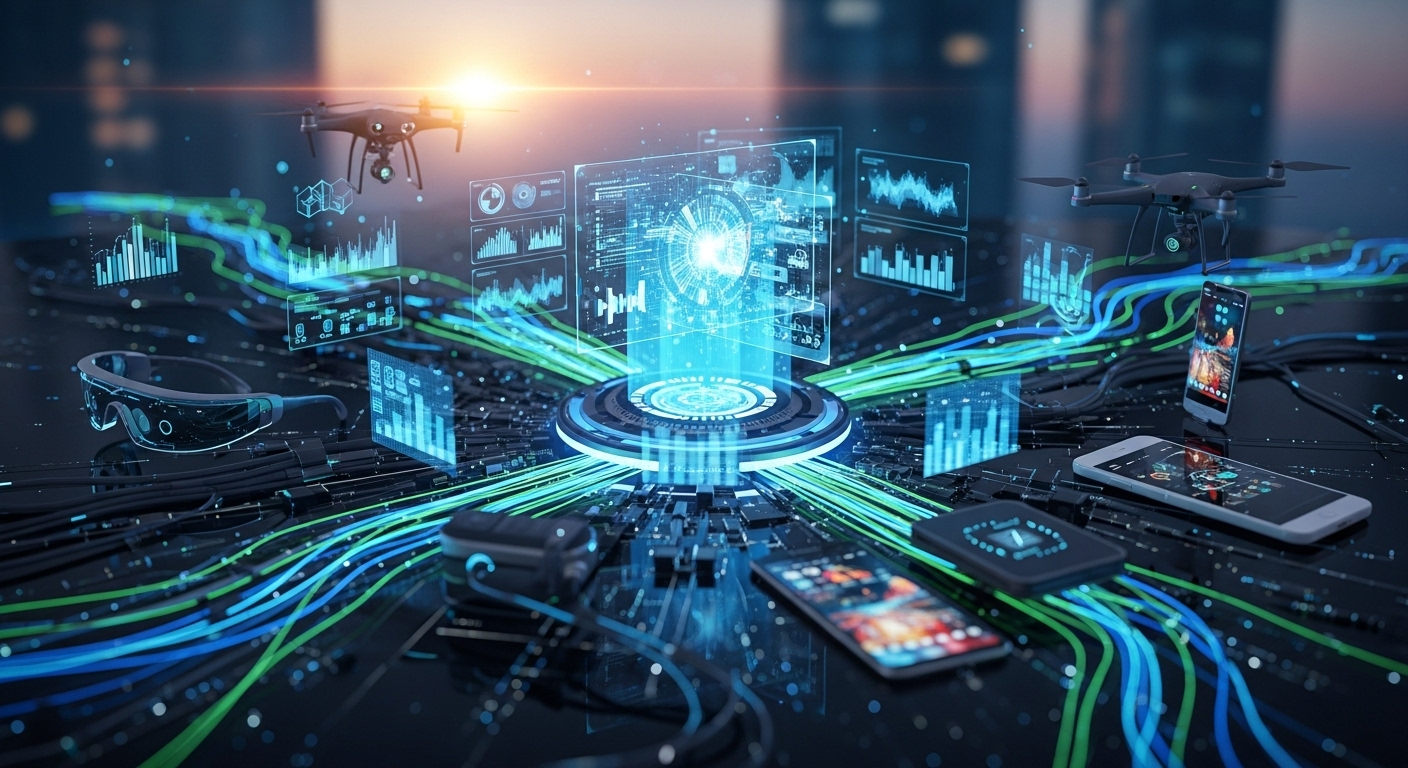
Technology has become an inseparable part of modern life, influencing how we communicate, work, travel, and entertain ourselves. From smartphones and wearable devices to artificial intelligence and cloud computing, technological innovation touches nearly every aspect of daily living. Beyond convenience, technology empowers creativity, drives economic growth, and connects people across the globe.
In today’s rapidly evolving world, understanding the role of technology is essential. It shapes society, education, healthcare, and entertainment, creating opportunities that were once unimaginable. As new innovations emerge, technology continues to redefine human potential and expand the boundaries of what is possible.
The Evolution of Technology
Human progress has always been intertwined with technological advancement. Ancient innovations such as the wheel, printing press, and electricity laid the foundation for societal growth. These inventions simplified daily life, improved productivity, and enabled communication across distances.
The digital revolution of the 20th century marked a dramatic shift. Computers, the internet, and mobile devices transformed how people work, learn, and interact. Today, emerging technologies such as artificial intelligence, blockchain, and quantum computing are redefining the possibilities of the 21st century. Each wave of innovation builds upon the last, creating a continuous cycle of progress that reshapes industries and cultures alike.
Artificial Intelligence: Machines That Think
Artificial intelligence, or AI, represents one of the most transformative innovations in modern technology. AI systems can process massive amounts of data, identify patterns, and make decisions faster than humans. Its applications range from voice assistants and autonomous vehicles to predictive analytics and medical diagnostics.
AI is revolutionizing industries by increasing efficiency, reducing errors, and enabling automation. In healthcare, AI can analyze medical images to detect diseases early. In finance, it predicts market trends and manages risk. However, AI also raises ethical questions, including privacy concerns, algorithmic bias, and the potential displacement of human jobs. Responsible development and governance are essential to maximize AI’s benefits while minimizing risks.
The Internet of Things: Connecting Our World
The Internet of Things, or IoT, has transformed ordinary objects into intelligent devices capable of communicating with each other and with humans. Smart homes, wearable fitness trackers, industrial sensors, and connected vehicles are all part of the IoT ecosystem.
IoT improves convenience, efficiency, and safety. Smart thermostats adjust energy usage automatically, wearable devices monitor health metrics in real time, and industrial IoT systems optimize production processes. As more devices become connected, IoT creates seamless experiences that integrate technology into everyday life while providing valuable data for decision-making.
Blockchain Technology: Beyond Cryptocurrency
Blockchain technology is widely known for powering cryptocurrencies, but its potential extends far beyond digital currency. Blockchain offers secure, transparent, and decentralized data storage and verification, making it valuable for finance, supply chain management, healthcare, and voting systems.
By enabling tamper-proof records and reducing reliance on intermediaries, blockchain increases trust and efficiency in various sectors. It ensures data integrity and can streamline complex processes, making technology safer and more reliable for individuals and organizations alike.
Cloud Computing: The Era of Remote Access
Cloud computing has transformed the way individuals and organizations store, process, and access information. By hosting data and applications on remote servers, cloud computing provides scalability, flexibility, and collaboration without the need for costly physical infrastructure.
Businesses leverage cloud services to run complex operations, manage data, and collaborate across borders. Individuals benefit from the ability to access documents, applications, and media from anywhere. Cloud computing has also enabled the growth of remote work, online learning, and global collaboration, making technology more versatile and accessible than ever.
Virtual Reality and Augmented Reality: Immersive Experiences
Virtual reality (VR) and augmented reality (AR) are changing the way humans interact with technology. VR immerses users in fully digital environments, while AR overlays digital information onto the real world. These technologies are transforming entertainment, education, healthcare, and professional training.
VR allows students to explore historical sites or practice complex surgeries in safe virtual environments. AR enhances shopping experiences by displaying product information or visualizing furniture in real spaces. Both technologies offer immersive, interactive experiences that enhance learning, creativity, and engagement.
Robotics and Automation: Redefining Productivity
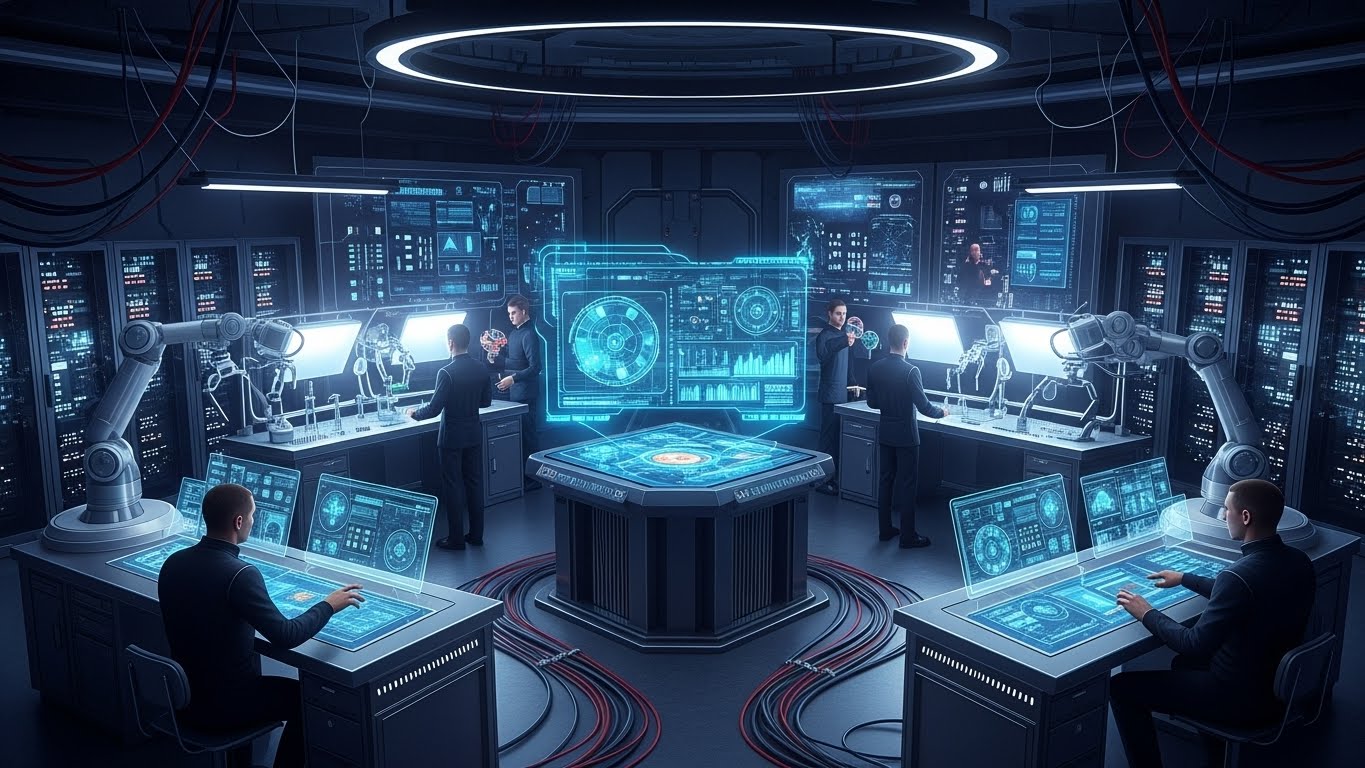
Robotics and automation are revolutionizing industries by improving efficiency, precision, and safety. Robots perform tasks in manufacturing, logistics, healthcare, and hazardous environments, reducing human risk and increasing productivity. Automation streamlines repetitive or complex processes, allowing humans to focus on strategic and creative work.
While robotics increases operational efficiency, it also raises questions about employment and workforce adaptation. Preparing for a future where humans and machines collaborate effectively is essential for maximizing benefits while minimizing societal disruption.
Emerging Technologies Shaping the Future
Beyond AI, IoT, and VR, several emerging technologies are reshaping society:
- 5G and Next-Generation Connectivity: Ultra-fast networks enable real-time communication, enhanced streaming, and improved data processing.
- Quantum Computing: Offers unprecedented computational power, capable of solving problems that classical computers cannot.
- Biotechnology: Innovations in genetic engineering and personalized medicine are transforming healthcare and agriculture.
- Renewable Energy Technologies: Advances in solar, wind, and battery storage support sustainable development.
These technologies often intersect, creating new opportunities for innovation, efficiency, and global collaboration.
Technology and Society: Bridging Gaps
Technology profoundly impacts social dynamics. It connects people across the globe, providing instant communication, entertainment, and educational opportunities. Social media, messaging platforms, and collaborative tools enable real-time interaction and global networking.
Educational technology makes knowledge accessible to anyone with an internet connection. Virtual classrooms, online courses, and learning apps empower students to gain skills and knowledge outside traditional educational settings. Technology reduces barriers, democratizes information, and fosters personal and professional growth, while also presenting challenges related to privacy, misinformation, and digital dependency.
Technology in Healthcare
Healthcare has been transformed by technology. AI-powered diagnostic tools, robotic surgical assistants, telemedicine, and wearable devices improve accuracy, efficiency, and accessibility. Personalized medicine allows treatments to be tailored to an individual’s genetic profile, improving outcomes and reducing side effects.
Robotics enables precise surgeries and automated procedures, reducing recovery times. Digital health records and predictive analytics improve decision-making and patient care. Technology makes healthcare more efficient, effective, and accessible, empowering both professionals and patients.
Technology in Education
Education benefits immensely from technological innovation. Digital tools, e-learning platforms, and gamification enhance engagement and make learning interactive. Students can access vast amounts of information, collaborate on projects, and participate in immersive learning experiences from anywhere in the world.
Virtual reality simulations allow practical learning in safe, controlled environments. AI-powered platforms provide personalized feedback and adaptive learning paths. Technology is transforming education, making it more inclusive, flexible, and effective for learners of all ages.
Technology in Entertainment
Technology has reshaped entertainment, providing immersive and interactive experiences. Video games, streaming services, VR concerts, and AI-generated content create personalized, engaging, and creative experiences. Technology allows audiences to interact with media in new ways, transforming storytelling and entertainment consumption.
AI-assisted content creation helps filmmakers, musicians, and artists produce innovative works. Streaming platforms and digital distribution enable global access to films, series, and music, while gaming technology creates interactive worlds that engage players on multiple levels.
Ethical Considerations in Technology
As technology advances, ethical considerations become increasingly important. Issues such as privacy, data security, algorithmic bias, digital addiction, and environmental impact must be addressed. Responsible innovation requires balancing progress with societal well-being.
Developers, policymakers, and users must collaborate to ensure that technology serves humanity, respects rights, and promotes equity. Ethical frameworks and regulations are essential to guide the responsible development and deployment of new technologies.
The Future of Technology
The future of technology is filled with possibilities. Smart cities, autonomous transportation, AI-driven innovation, and interconnected systems will redefine how we live and work. Personalized experiences, real-time data integration, and immersive digital environments will enhance convenience, efficiency, and engagement.
To harness the full potential of technology, society must prioritize education, digital literacy, and ethical responsibility. Collaboration across industries and nations will ensure that technological advancements benefit all of humanity and support sustainable development.
Conclusion: Embracing a Tech-Driven World
Technology is more than a tool; it is a force that shapes society, culture, and human potential. From artificial intelligence and robotics to virtual reality and cloud computing, technological innovations continue to redefine how people live, work, and interact.
By embracing innovation responsibly, society can leverage technology to solve complex problems, enhance productivity, and enrich lives. Technology bridges gaps, empowers individuals, and inspires creativity. Its ongoing evolution promises a future where human potential and digital innovation converge, creating a connected, informed, and technologically advanced world.