
Introduction
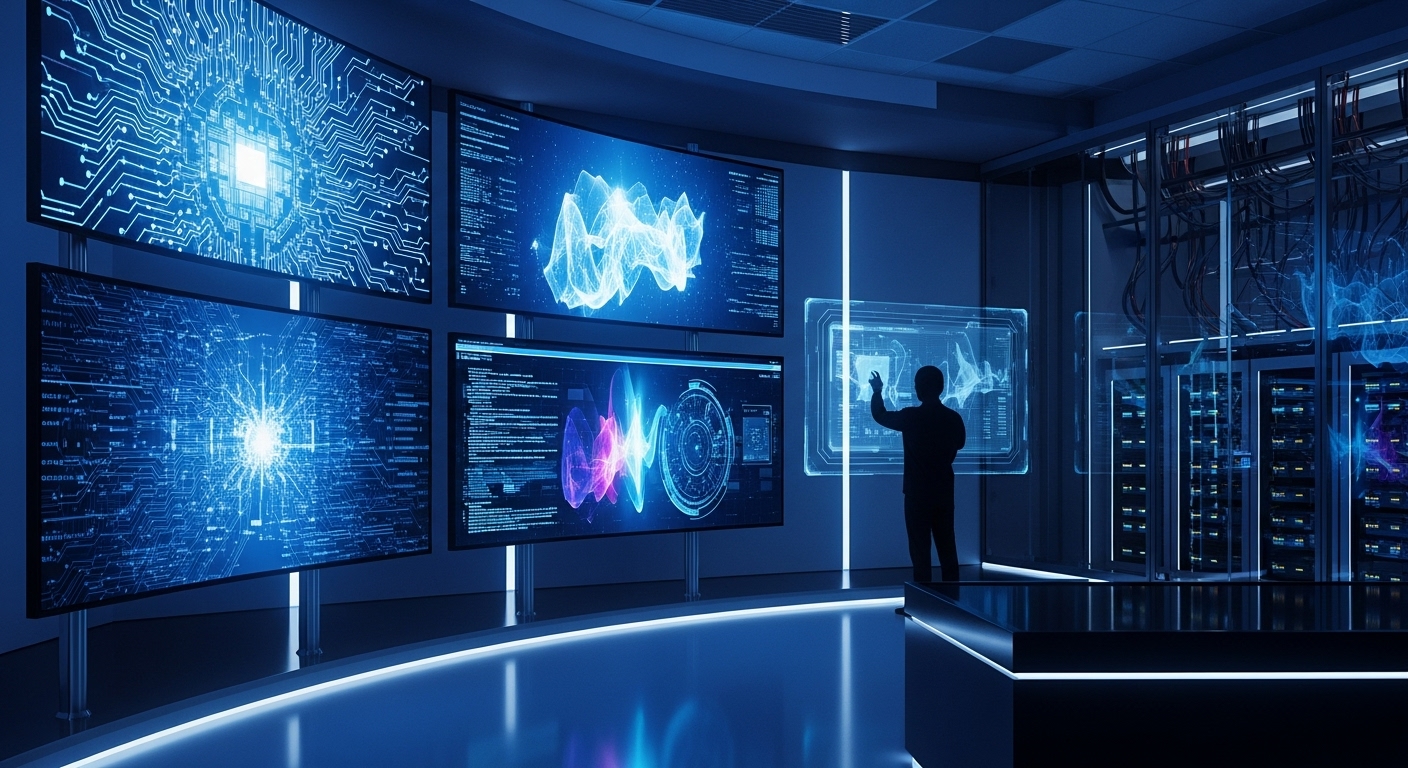
Technology has become the heartbeat of modern society, driving progress across industries, enhancing daily life, and redefining human potential. From smartphones that put the world at our fingertips to artificial intelligence capable of performing complex tasks, technology continues to reshape how we live, work, and think. In the 21st century, understanding the trajectory of technological advancements is crucial for individuals, businesses, and policymakers alike. This blog explores the transformative power of technology, its impact on various aspects of life, and the innovations that are shaping the future.
The Evolution of Technology
The story of technology is a journey of human ingenuity and curiosity. Early innovations such as fire, the wheel, and the printing press revolutionized society by expanding capabilities and knowledge. The industrial revolution introduced mechanization, electricity, and mass production, laying the foundation for modern economies.
The digital revolution accelerated progress even further, introducing computers, the internet, and mobile technology. Today, technology is not just a tool but an ecosystem encompassing artificial intelligence, cloud computing, the Internet of Things, and immersive digital experiences. Each new wave of innovation builds on the last, creating a rapidly evolving landscape that continuously redefines possibilities.
Technology in Everyday Life
Modern technology permeates daily life in ways that were unimaginable a few decades ago. Smartphones act as communication hubs, entertainment centers, and personal assistants. Smart home devices manage lighting, temperature, and security, making living spaces more convenient and energy-efficient. Wearable technology monitors health metrics, tracks physical activity, and provides actionable insights for personal wellness.
Digital platforms have revolutionized everyday activities such as shopping, transportation, and banking. Online services allow instant access to products, global services, and financial tools. This seamless integration of technology into daily routines demonstrates how it enhances convenience, efficiency, and quality of life.
Artificial Intelligence and Machine Learning
Artificial intelligence (AI) has emerged as a transformative force across industries. AI systems analyze vast amounts of data, recognize patterns, and provide predictions that assist human decision-making. From virtual assistants and chatbots to sophisticated recommendation engines, AI enhances efficiency and personalization.
Machine learning, a subset of AI, allows systems to improve their performance over time by learning from data. In healthcare, AI aids in diagnostics and personalized treatment. In finance, it helps detect fraudulent transactions and optimize investment strategies. In manufacturing, predictive maintenance reduces downtime and increases operational efficiency. AI is fundamentally reshaping the way humans interact with technology, creating new opportunities for innovation and productivity.
Big Data and Analytics
In the digital age, data has become one of the most valuable resources. Every online interaction, transaction, and device generates data that can be analyzed to extract insights. Big data analytics enables businesses, governments, and organizations to make informed decisions, optimize processes, and forecast trends.
Organizations use data to understand consumer behavior, enhance products and services, and improve operational efficiency. Governments leverage analytics for urban planning, public safety, and infrastructure management. While data offers enormous opportunities, it also raises important considerations about privacy, security, and ethical use, requiring careful management and transparency.
Cloud Computing and Connectivity
Cloud computing has revolutionized how data is stored, accessed, and shared. Instead of relying on local storage, data and applications can now be hosted on remote servers accessible from anywhere. This has enabled global collaboration, remote work, and scalable business operations.
Cloud services support a wide range of applications, from entertainment and education to healthcare and finance. They empower startups to innovate without heavy infrastructure investment and allow large corporations to manage complex systems efficiently. Cloud computing exemplifies how technology can enhance connectivity, accessibility, and productivity across the globe.
The Internet of Things
The Internet of Things (IoT) connects physical devices to the digital ecosystem, creating intelligent, responsive systems. In homes, IoT devices automate lighting, heating, and security. In cities, sensors monitor traffic, energy consumption, and environmental conditions to improve urban planning. In industries, IoT enables predictive maintenance, operational optimization, and supply chain management.
By linking devices and systems, IoT facilitates real-time monitoring and decision-making. This interconnectivity transforms everyday environments into smart spaces, making cities, homes, and workplaces more efficient and adaptive to human needs.
Virtual and Augmented Reality
Virtual reality (VR) and augmented reality (AR) are redefining human interaction with digital content. VR immerses users in completely digital environments, offering applications in gaming, education, healthcare, and training. AR overlays digital information onto the real world, enhancing visualization, navigation, and learning experiences.
In education, VR enables immersive learning experiences such as virtual science labs or historical simulations. AR assists surgeons with real-time guidance during complex procedures. In retail, AR allows customers to visualize products in their own space before purchasing. These technologies expand human perception and create interactive experiences that were previously unimaginable.
Technology in Education
Technology has transformed education into a more flexible, accessible, and engaging experience. Online learning platforms, interactive simulations, and AI-driven tutoring systems allow personalized learning. Students can learn at their own pace, explore virtual resources, and collaborate with peers globally.
Digital technology also makes education more inclusive. Students in remote areas can access quality learning materials and participate in global classrooms. By fostering creativity, critical thinking, and problem-solving skills, technology prepares learners for a rapidly changing, technology-driven world.
The Future of Work
The workplace is undergoing a profound transformation due to technology. Automation and AI reduce repetitive tasks, allowing employees to focus on creative and strategic initiatives. Collaboration tools enable remote work and seamless communication across time zones.
The future workplace will rely on a combination of human creativity and technological intelligence. Skills such as adaptability, emotional intelligence, and digital literacy will become increasingly important. Lifelong learning and continuous skill development will be crucial for thriving in this rapidly evolving environment.
Green Technology and Sustainability
Sustainable technology is becoming essential in addressing global environmental challenges. Innovations in renewable energy, electric mobility, smart grids, and energy-efficient infrastructure reduce carbon footprints and conserve resources. IoT-enabled systems monitor environmental impact, optimize energy usage, and promote sustainable practices.
Green technologies not only protect the environment but also create economic opportunities. They stimulate innovation, generate new industries, and support long-term growth, demonstrating how technology can harmonize progress with ecological responsibility.
Ethical Considerations in Technology
As technology advances, ethical questions become increasingly critical. Issues such as data privacy, cybersecurity, misinformation, and algorithmic bias must be addressed responsibly. Ethical frameworks ensure that technology aligns with societal values and benefits humanity as a whole.
Policymakers, organizations, and individuals must prioritize transparency, accountability, and fairness. Promoting digital literacy and ethical usage ensures that technology enhances lives without exacerbating inequalities or risks.
Emerging Technologies and Innovations
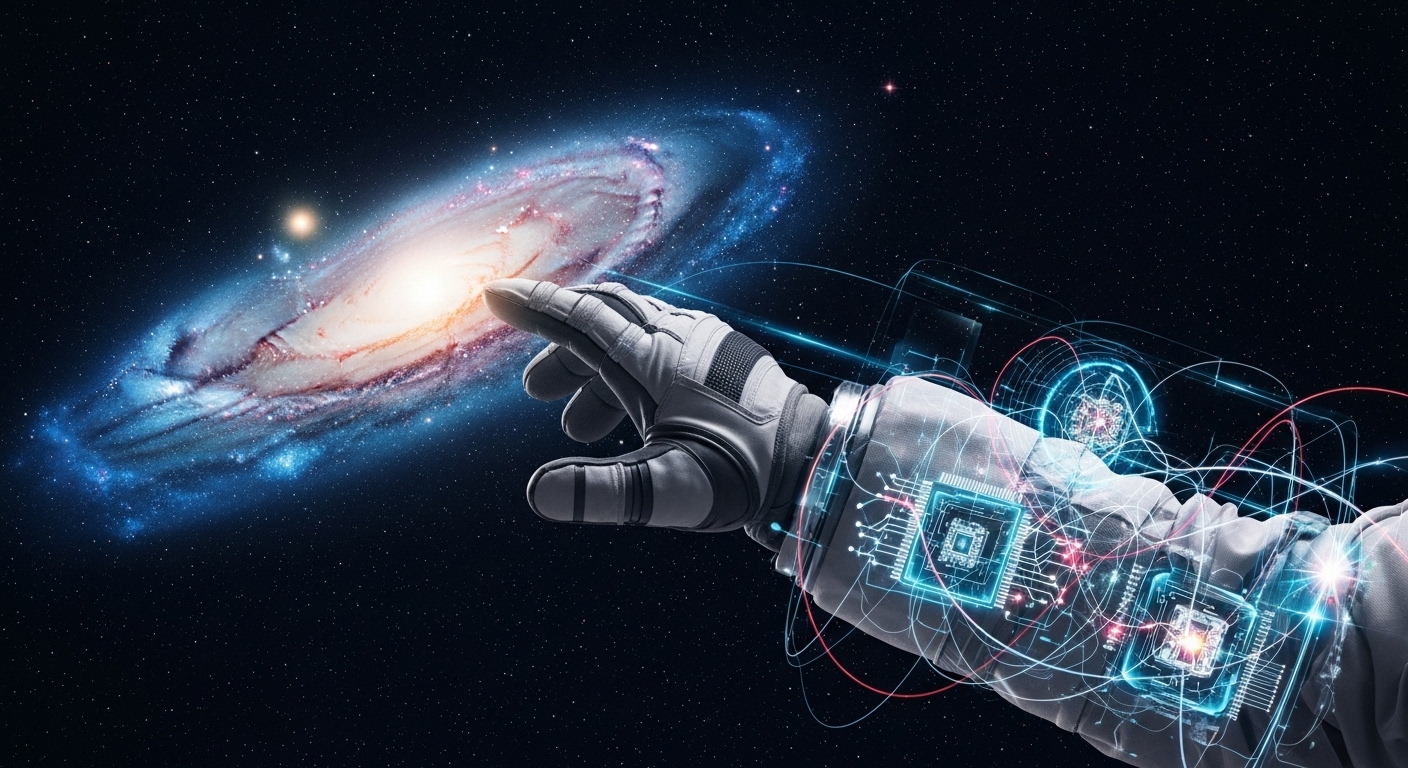
Emerging technologies such as quantum computing, autonomous systems, biotechnology, and space exploration are pushing the limits of human capability. Quantum computing promises breakthroughs in solving complex problems, while biotechnology revolutionizes medicine and agriculture. Autonomous vehicles, drones, and robotics transform transportation, logistics, and manufacturing.
Space exploration continues to expand human understanding of the universe, driving advancements in satellite technology, communication, and resource management. These emerging technologies demonstrate the limitless potential of human innovation and the need for foresight, adaptability, and ethical stewardship.
Conclusion
Technology is the driving force behind modern civilization, reshaping the way humans live, work, and interact. From artificial intelligence and IoT to virtual reality and sustainable innovations, it touches nearly every aspect of life. While the opportunities are immense, responsible use, ethical oversight, and sustainable development are essential to maximize benefits and minimize risks.
The future belongs to those who embrace technology thoughtfully, balance innovation with ethics, and harness it to improve the world. Technology is not merely a tool; it is a foundation for progress, creativity, and connection. By understanding and applying it wisely, humanity can shape a future that is smarter, safer, and more sustainable.