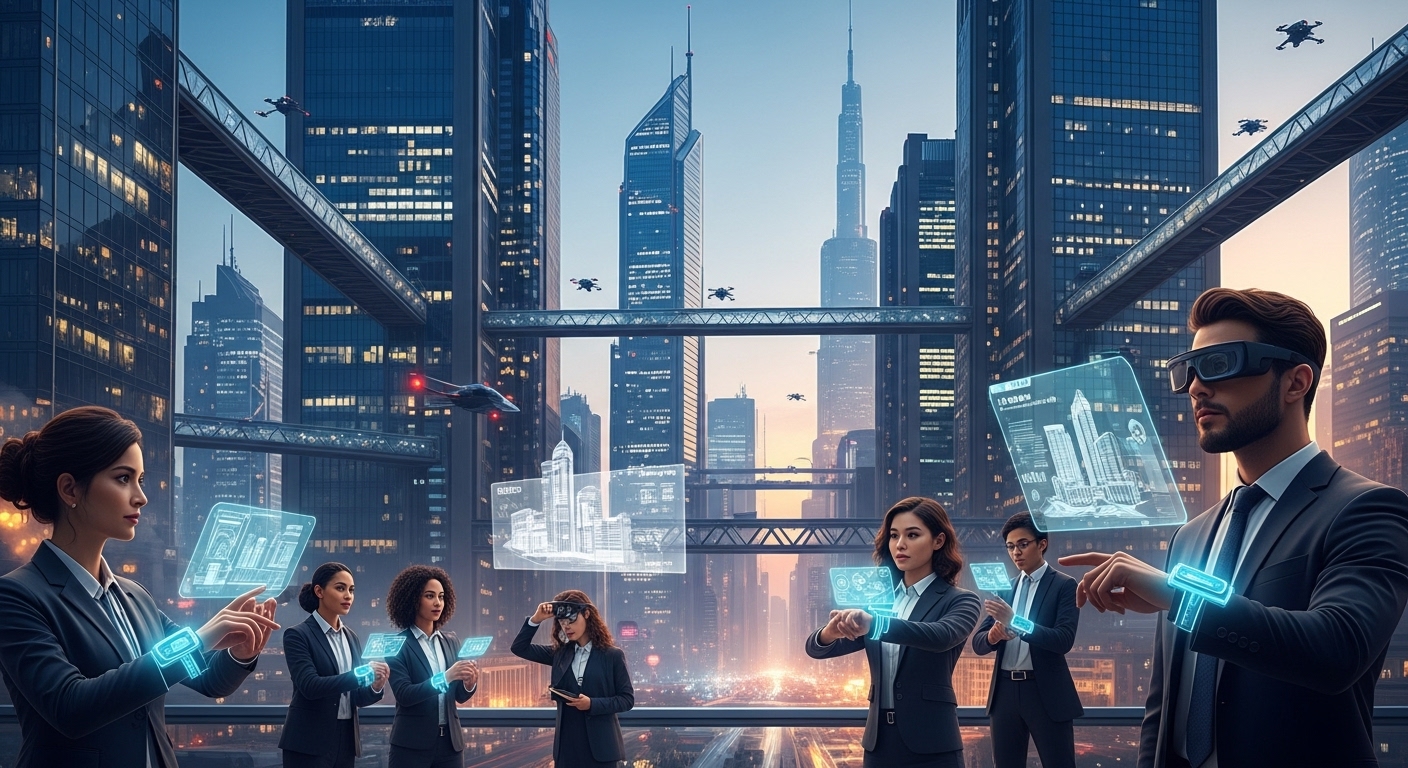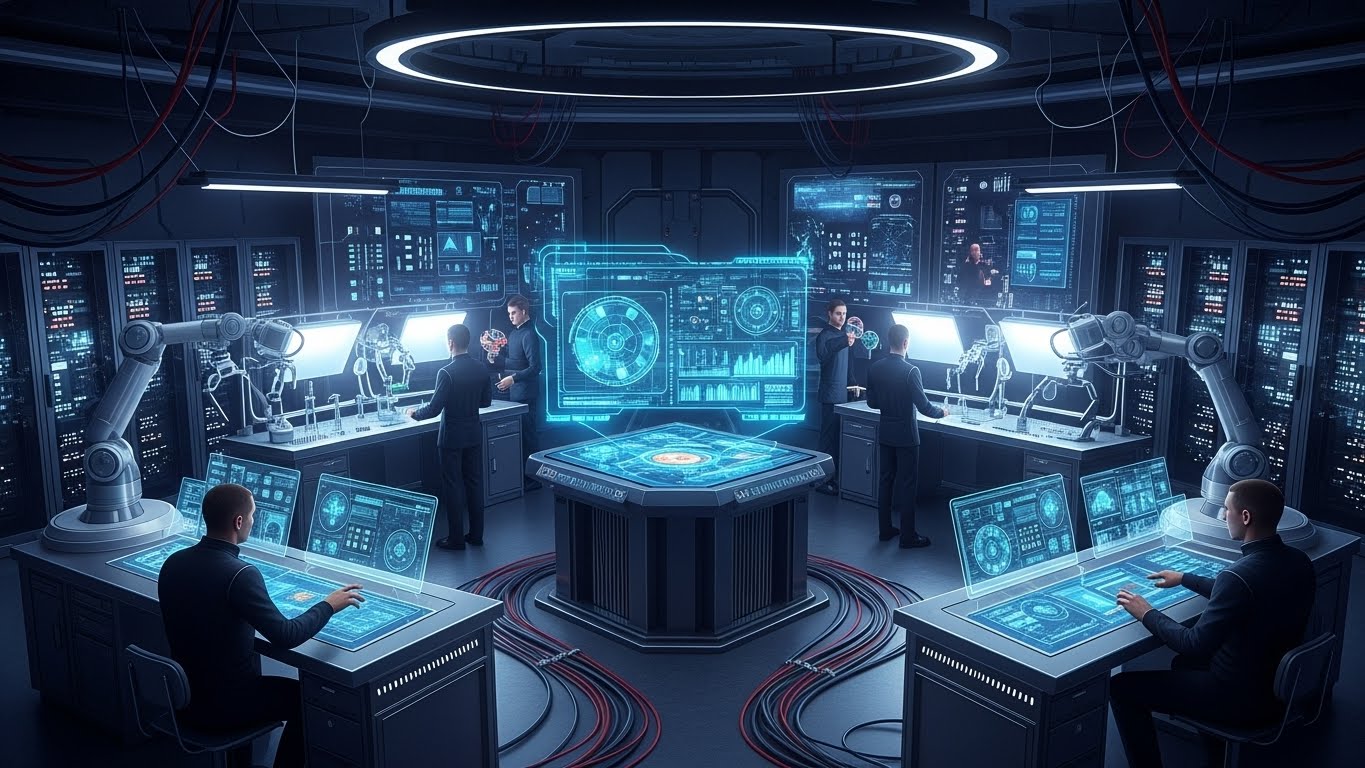
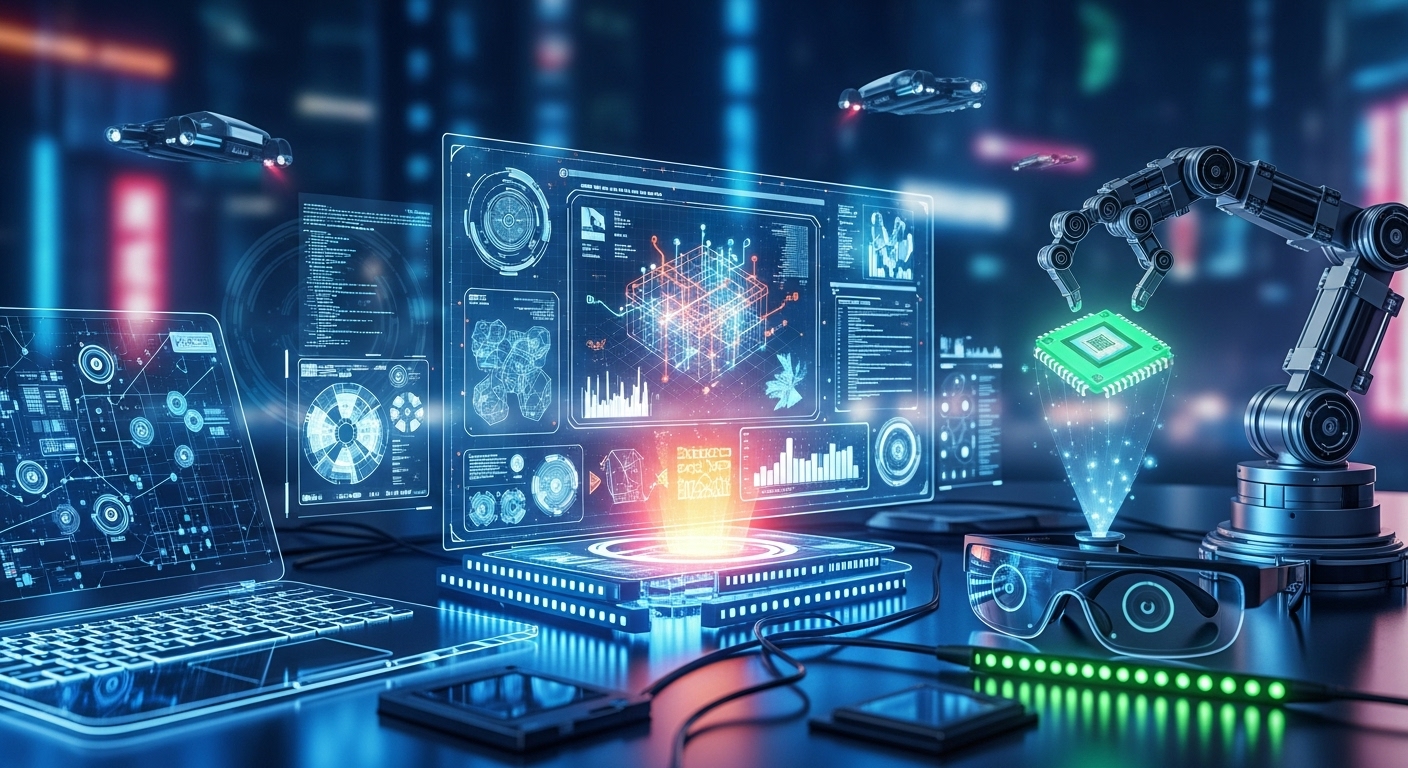
Technology is the engine of modern civilization. From the invention of the wheel to the rise of the internet, each advancement has redefined the way humans live, work, and interact. Today, we are experiencing one of the most transformative periods in history. Innovations in artificial intelligence, quantum computing, biotechnology, robotics, and sustainable technology are not only changing industries but also reshaping society, culture, and human behavior. In this blog, we explore the latest trends in technology, their impact on our daily lives, and the possibilities they hold for the future.
Artificial Intelligence: Expanding the Boundaries of Human Capability
Artificial Intelligence, or AI, has grown from a concept in science fiction to a tangible force influencing industries and daily life. AI systems can analyze vast datasets, recognize patterns, and make predictions with accuracy beyond human capabilities.
In healthcare, AI assists doctors in diagnosing diseases earlier, suggesting treatment plans, and even predicting patient outcomes. Financial institutions use AI for fraud detection, risk assessment, and customer service automation. In creative fields, AI can generate art, music, and even written content, opening new avenues for expression.
While AI promises enormous benefits, it also raises questions about ethics, privacy, and employment. Ensuring that AI complements rather than replaces human intelligence is essential. Responsible AI development focuses on fairness, transparency, and societal benefit, making sure technology serves humanity rather than undermining it.
Quantum Computing: Unlocking the Impossible
Quantum computing represents a paradigm shift in computation. Unlike classical computers that use bits as zeros or ones, quantum computers use qubits, which can exist in multiple states simultaneously. This allows them to perform calculations exponentially faster than traditional machines.
Applications of quantum computing are vast. In pharmaceuticals, quantum simulations can accelerate drug discovery by modeling molecular interactions in unprecedented detail. Cryptography benefits from quantum encryption, offering almost unbreakable security. Climate scientists can use quantum models to predict environmental changes more accurately. Although quantum computing is still developing, its potential to transform industries and solve complex global challenges is immense.
Biotechnology: Redefining Life
Biotechnology is revolutionizing medicine, agriculture, and environmental management. Tools like CRISPR enable precise editing of genes, offering the potential to eliminate hereditary diseases and create crops that withstand extreme conditions.
In medicine, personalized treatments based on an individual’s genetic profile improve effectiveness and reduce side effects. Agricultural biotechnology enhances crop resilience, increases nutritional value, and helps address global food security challenges. Synthetic biology allows the creation of biofuels, biodegradable materials, and other innovations that reduce dependence on non-renewable resources.
While biotechnology offers groundbreaking possibilities, ethical considerations are critical. Society must carefully navigate issues such as genetic modification, ecological impact, and long-term effects to ensure innovation is safe and beneficial.
Sustainable Technology: Driving Environmental Progress
As climate change becomes an urgent global challenge, sustainable technology plays a crucial role in reducing environmental impact. Renewable energy sources such as solar, wind, and hydroelectric power are becoming increasingly efficient and cost-effective.
Advanced energy storage systems, smart grids, and energy-efficient technologies ensure reliable and sustainable energy supply. Electric vehicles reduce emissions and reshape transportation infrastructure, while smart cities optimize resource use and reduce waste. Sustainable technology is not only environmentally responsible but also economically advantageous, creating jobs and driving innovation in green industries.
Internet of Things: Connecting Our World
The Internet of Things, or IoT, is transforming the way devices communicate and operate. IoT networks connect everyday objects, enabling them to collect and share data to improve efficiency and convenience.
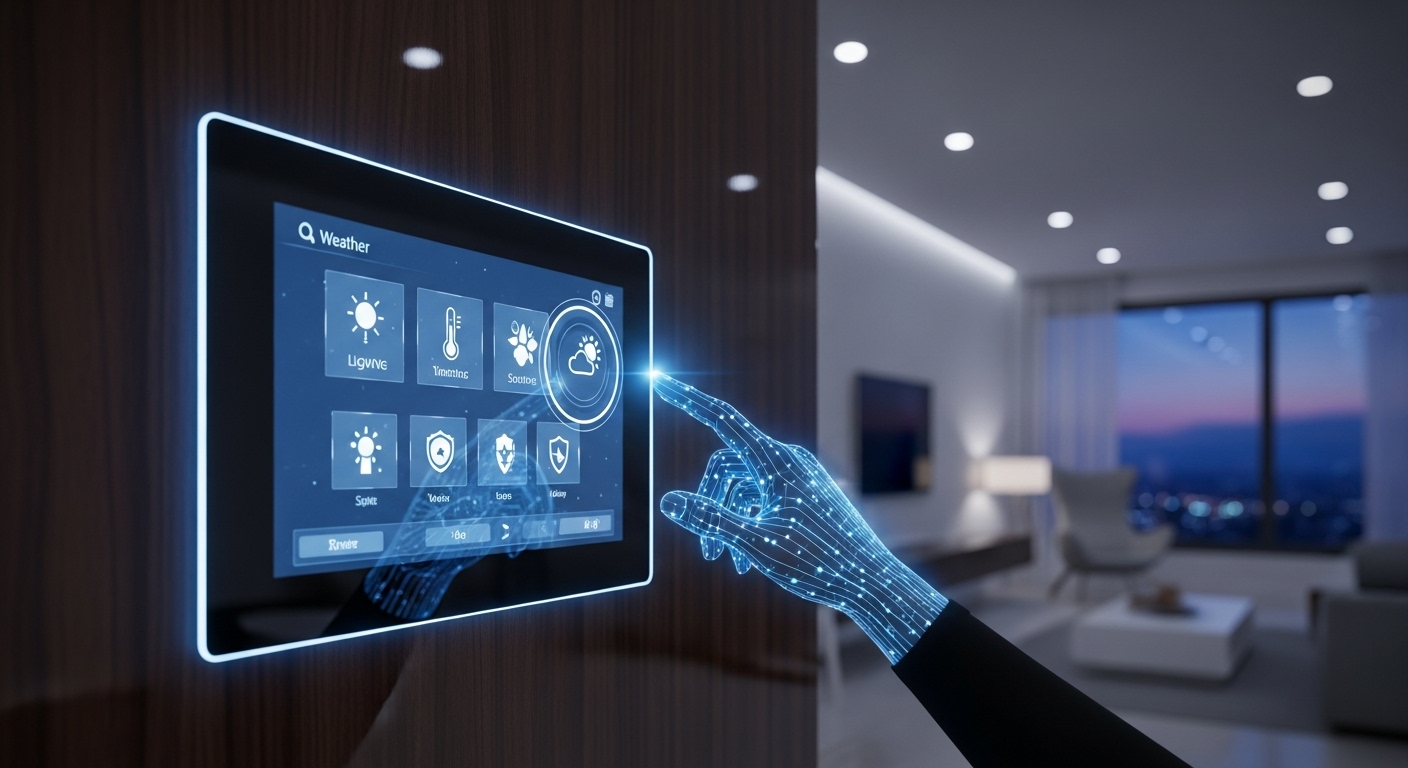
In homes, smart devices control lighting, heating, and security systems remotely. Wearable technology monitors health, tracks activity, and even predicts potential medical issues. Industrial IoT optimizes production processes, prevents equipment failure, and streamlines supply chains. Cities leverage IoT to manage traffic, energy, and public services efficiently. While IoT offers remarkable benefits, it also demands strong cybersecurity and privacy measures to protect sensitive data.
5G Connectivity: Powering the Next Generation
The rollout of 5G networks is transforming connectivity with faster speeds, lower latency, and the ability to connect massive numbers of devices simultaneously. 5G enables new possibilities in telemedicine, autonomous vehicles, smart infrastructure, and immersive experiences.
Autonomous vehicles rely on 5G for real-time navigation and safety. Remote healthcare becomes more feasible with instantaneous data transmission, enabling procedures like remote surgery. Augmented and virtual reality applications become seamless, enhancing education, gaming, and professional training. Businesses can analyze real-time data, automate operations, and deliver innovative services, making 5G a cornerstone of the future digital economy.
Robotics and Automation: Shaping the Future of Work
Robotics and automation are redefining industries and the workforce. Robots can perform repetitive, hazardous, or precision tasks efficiently, freeing humans for creative, strategic, and analytical work.
In manufacturing, robots improve productivity, consistency, and safety. In healthcare, robotic surgery enhances precision and reduces recovery times. In logistics, autonomous drones and vehicles streamline operations and improve delivery efficiency. While automation can disrupt traditional employment patterns, it also creates opportunities in technology management, programming, and system design. Preparing the workforce for this transformation is essential to ensure a productive collaboration between humans and machines.
Cybersecurity: Protecting the Digital Frontier
As technology becomes increasingly integrated into everyday life, cybersecurity is more critical than ever. Cyberattacks, ransomware, and data breaches threaten individuals, organizations, and governments alike. Protecting sensitive information requires advanced security measures, constant monitoring, and user education.
Artificial intelligence is used to detect threats, predict vulnerabilities, and respond to attacks proactively. Blockchain technology enhances transparency and integrity of data. Cybersecurity is not merely a technical issue but a societal priority. Ensuring safe digital spaces fosters trust, encourages innovation, and protects global digital infrastructure.
Virtual and Augmented Reality: Immersive Digital Experiences
Virtual reality (VR) and augmented reality (AR) are transforming entertainment, education, and professional training. VR creates fully immersive digital worlds, while AR overlays digital elements onto real-world environments.
In education, VR allows students to explore historical events, perform virtual experiments, and visualize abstract concepts. AR enhances learning by adding interactive layers to textbooks and lectures. In healthcare, VR simulations train medical professionals, and AR assists in complex surgeries. Retailers use AR to let customers visualize products in their homes, improving shopping experiences. As these technologies advance, they will redefine human interaction with digital content.
Ethical Considerations: The Human Side of Technology
While technology presents tremendous opportunities, it also raises ethical and social concerns. AI, biotechnology, automation, and surveillance systems challenge privacy, fairness, and equality. Developing robust ethical frameworks and regulatory policies is essential to guide innovation responsibly.
Digital literacy is critical for empowering people to navigate technology safely and make informed decisions. Responsible innovation ensures that technology improves human lives, promotes inclusivity, and minimizes harm. Balancing innovation with ethical responsibility is key to building a sustainable and equitable technological future.
The Road Ahead: Opportunities and Challenges
The pace of technological advancement shows no signs of slowing. AI, quantum computing, biotechnology, sustainable solutions, IoT, 5G, robotics, VR, and AR are reshaping industries, economies, and lifestyles. The opportunities are enormous, from curing diseases and solving environmental challenges to creating immersive experiences and smart cities.
However, technology alone is not sufficient. Its impact depends on ethical application, equitable access, and human decision-making. By embracing innovation responsibly, fostering education and digital literacy, and prioritizing sustainability, society can harness technology to improve quality of life globally.
The era of intelligent technology is here. It is reshaping our world, challenging our perspectives, and expanding human potential. Technology is more than a tool; it is a partner in progress, a bridge to new possibilities, and a mirror reflecting our collective creativity and innovation. The choices we make today will determine the world we inhabit tomorrow, making responsible and thoughtful innovation essential for a better future.