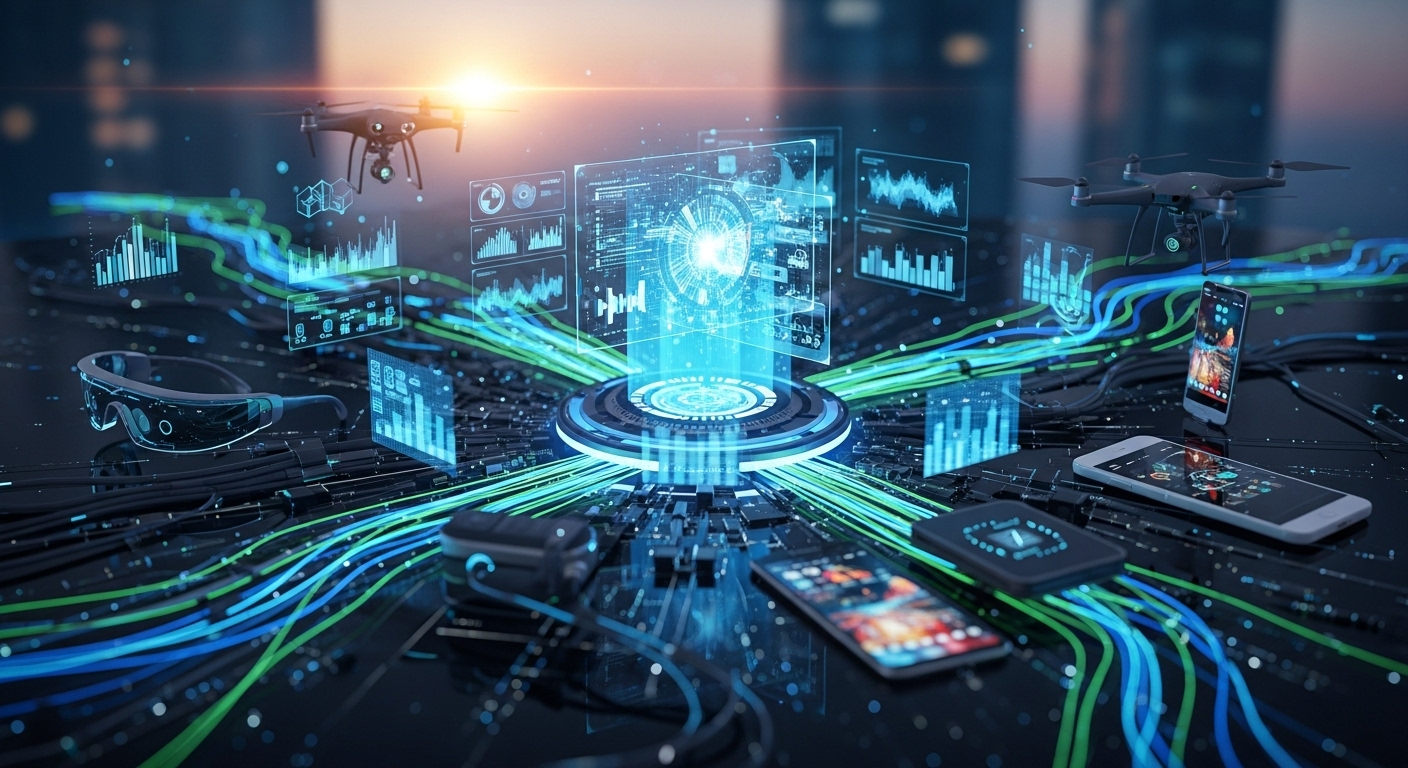

Introduction: Technology as a Catalyst for Change
Technology is no longer just a tool; it has become a fundamental part of modern life. It drives innovation, transforms industries, and redefines how we interact with the world. From communication and education to healthcare and entertainment, technology has reshaped every aspect of human existence.
The evolution of technology continues to accelerate, creating opportunities and challenges that require careful consideration. In this blog, we will explore the history of technological innovation, its impact on different sectors, the benefits it offers, the challenges it presents, and the future that lies ahead.
The Evolution of Technology
The story of technology begins with human curiosity and the desire to solve problems. Early humans invented simple tools, discovered fire, and developed agricultural practices that allowed civilizations to flourish. The Industrial Revolution introduced machinery, electricity, and mass production, transforming societies and economies.
The 20th century brought computers, telecommunications, and the internet, connecting the world in ways previously unimaginable. Today, technology encompasses artificial intelligence, robotics, biotechnology, renewable energy, and quantum computing. Each advancement builds upon previous innovations, pushing the boundaries of human potential.
Technology in Communication
Communication has undergone a revolutionary transformation thanks to technology. The evolution from letters and telegraphs to telephones, emails, and instant messaging has changed how humans interact. Social media and video conferencing platforms allow billions of people to connect instantly, breaking down barriers of distance and language.
Global collaboration has become faster and more efficient. Businesses, educators, and governments can coordinate across continents, share ideas, and solve complex problems together. Technology has made the world more connected and information more accessible than ever before.
Technology in Education
Education has been transformed by digital innovation. Online learning platforms, virtual classrooms, and interactive simulations allow students to access information from anywhere. Personalized learning powered by artificial intelligence adapts to each student’s strengths and weaknesses, improving understanding and retention.
Teachers can track student progress, identify gaps, and provide targeted support. Technology has made education more inclusive and flexible, enabling learners to acquire skills at their own pace and from any location.
Technology in Healthcare
Healthcare has experienced profound improvements through technology. Electronic health records streamline patient information, while telemedicine allows remote consultations. Wearable devices monitor health metrics, providing real-time feedback and early detection of potential issues.
Artificial intelligence helps analyze medical data, predict diseases, and assist in treatment planning. Robotics enables precision in surgeries, and biotechnology advances personalized medicine. Technology has increased accessibility, efficiency, and accuracy in healthcare, saving lives and improving outcomes worldwide.
Technology in Business
Modern businesses rely on technology for efficiency, innovation, and growth. Automation, data analytics, and artificial intelligence optimize operations and support strategic decision-making. Cloud computing enables secure storage and collaboration across global teams.
E-commerce platforms allow companies to reach international markets instantly. Digital marketing, online payment systems, and supply chain technologies enhance efficiency and customer engagement. Technology empowers entrepreneurs and established businesses to innovate, scale, and compete in a rapidly changing market.
Technology in Entertainment
The entertainment industry has been completely reshaped by technology. Streaming services, video games, virtual reality, and augmented reality offer immersive experiences. Audiences can access content instantly, while creators utilize digital tools to craft interactive and engaging media.
Virtual and augmented reality expand the boundaries of storytelling, allowing audiences to engage with content in new ways. Social media platforms facilitate direct interaction between creators and fans, building communities around shared interests. Technology has made entertainment more accessible, creative, and interactive than ever before.
Technology in Daily Life
Technology is deeply integrated into everyday life. Smartphones, smartwatches, and smart home devices enhance convenience, productivity, and security. Navigation apps guide travel, digital assistants manage schedules, and online banking simplifies financial transactions.
The Internet of Things connects devices into intelligent ecosystems. Smart homes and cities adapt to user behavior, optimizing energy use, comfort, and safety. Technology simplifies daily routines, making life more efficient and connected.
Artificial Intelligence: The Driving Force of Modern Innovation
Artificial intelligence represents one of the most significant technological advancements of our time. AI allows machines to learn, reason, and make decisions. It is applied in virtual assistants, autonomous vehicles, predictive analytics, and more.
AI enhances efficiency, decision-making, and problem-solving across industries. In healthcare, AI assists with diagnosis and personalized treatment. In business, AI optimizes operations and improves customer experiences. While ethical and employment challenges exist, AI has the potential to profoundly improve quality of life.
Technology and the Environment
Technology has a critical role in promoting sustainability. Renewable energy sources such as solar, wind, and hydroelectric power reduce reliance on fossil fuels. Smart grids, energy-efficient systems, and sustainable agricultural practices minimize environmental impact.
Environmental monitoring, climate modeling, and waste management systems help protect natural resources. When developed responsibly, technology can address ecological challenges and create a sustainable future for generations to come.
Challenges of Technology
Despite its benefits, technology presents significant challenges. Cybersecurity threats, data privacy concerns, and digital addiction are growing issues. The misuse of AI, automation, and surveillance technology raises ethical questions that must be addressed.
The digital divide limits access to technology in some regions, creating inequality in opportunities and knowledge. Responsible innovation, ethical practices, and inclusive access are essential to ensure technology serves the greater good.
The Human Element in Technology
Human creativity, empathy, and critical thinking remain essential in a technological world. Technology should enhance human potential, not replace human interaction. Balancing digital engagement with face-to-face communication is crucial for social, emotional, and mental well-being.
Humans must guide technological development to ensure it aligns with ethical values and societal needs. Technology achieves its highest purpose when it empowers people and enhances the human experience.
The Future of Technology
The future of technology promises unprecedented advancements. Quantum computing, nanotechnology, biotechnology, and artificial intelligence will redefine industries and human potential. Smart cities, connected ecosystems, and personalized digital experiences will become increasingly common.
Ethical innovation, sustainable practices, and equitable access will be critical to ensuring that technology benefits everyone. Responsible development will allow society to solve global challenges, improve quality of life, and foster meaningful human connections.
Conclusion: Embracing Technology Responsibly
Technology has revolutionized communication, education, healthcare, business, entertainment, and daily life. It expands human potential, drives innovation, and connects the world. Yet, with great power comes responsibility. Ethical use, environmental sustainability, and inclusive access are essential to maximize the benefits of technology while mitigating risks.
By embracing technology thoughtfully and responsibly, humanity can shape a future where innovation enhances quality of life, addresses global challenges, and strengthens human connection. Technology is not just machines or software; it is a tool to unlock human potential and create a better, more connected world.