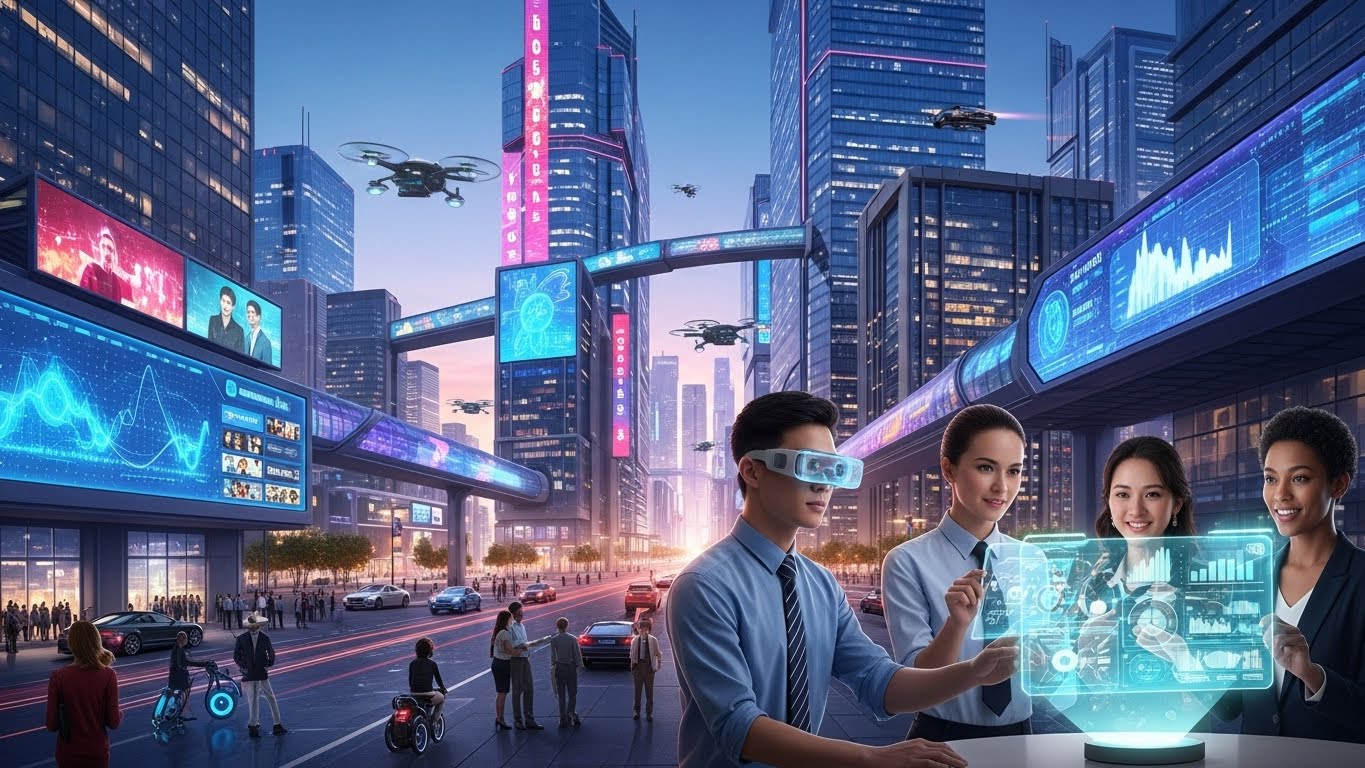
Technology has become an inseparable part of human life. From the moment we wake up to the moment we sleep, technology interacts with almost every aspect of our existence. From smartphones that act as our personal assistants to advanced artificial intelligence systems that predict our needs, the growth of technology has been rapid, transformative, and sometimes, overwhelming. This blog explores the modern technological landscape, tracing its evolution, understanding its current impact, and examining its future possibilities.
The Evolution of Technology
The story of technology begins long before computers and the internet. Early human civilizations developed tools and techniques that made life easier, safer, and more productive. The invention of the wheel, for example, revolutionized transport, while agricultural tools enabled the rise of societies and the development of complex civilizations.
The Industrial Revolution marked a significant turning point. Mechanization of labor, steam engines, and mass production techniques transformed economies and daily life. Factories and machines began to replace manual labor, leading to unprecedented growth in productivity and wealth.
The 20th century introduced electronics, computers, and telecommunications. The invention of transistors, followed by microprocessors, set the stage for the digital revolution. Computers, initially large and expensive, gradually became smaller, faster, and more affordable. With the introduction of personal computers in the 1970s and 1980s, technology began to permeate everyday life in ways previously unimaginable.
The 1990s and early 2000s were defined by the rise of the internet. Suddenly, information was at our fingertips. Social media, e-commerce, online entertainment, and digital communication reshaped societies. The internet brought the world closer, but also introduced new challenges, including cybersecurity threats, digital addiction, and privacy concerns.
Modern Computing: From PCs to AI
Modern computing is no longer just about personal computers. The rapid development of cloud computing has allowed businesses and individuals to access enormous computational power on-demand. Cloud platforms enable the storage and processing of vast amounts of data without the need for expensive infrastructure. This has led to innovations in fields such as data analytics, machine learning, and artificial intelligence.
Artificial intelligence, in particular, has revolutionized how we interact with machines. AI-powered assistants can understand and respond to natural language, recommend products, detect fraud, and even assist in medical diagnoses. Machine learning algorithms continuously improve based on the data they receive, creating systems that can adapt to new situations with minimal human intervention.
Quantum computing is another frontier that promises to change everything we know about computation. Unlike traditional computers that use bits to process information, quantum computers use qubits, which can exist in multiple states simultaneously. This allows them to solve certain problems exponentially faster than classical computers, such as complex simulations, cryptography, and optimization tasks. Although still in its experimental phase, quantum computing has the potential to redefine industries ranging from pharmaceuticals to logistics.
Communication and Connectivity
One of the most visible impacts of technology is in communication. Smartphones, social media, and instant messaging have made it possible to connect with anyone across the globe in real-time. Video conferencing, once a luxury, has become a standard tool for businesses, education, and personal interactions.
The rollout of 5G technology is set to further transform communication. With faster speeds, lower latency, and greater connectivity, 5G will enable innovations in augmented reality, virtual reality, and the Internet of Things. Smart cities, autonomous vehicles, and real-time remote healthcare are becoming more feasible thanks to these advancements.
The rise of social media platforms has not only changed communication but also influenced culture, politics, and commerce. Information spreads rapidly, often in real-time, shaping public opinion and creating new opportunities for marketing and activism. However, it also raises challenges such as misinformation, privacy invasion, and mental health concerns.
The Internet of Things (IoT)
The Internet of Things represents a network of interconnected devices that communicate and exchange data. From smart homes to wearable fitness trackers, IoT devices collect data to improve convenience, efficiency, and decision-making. Smart thermostats adjust temperatures based on patterns, refrigerators track expiration dates, and cars provide real-time diagnostics.
In industrial applications, IoT is revolutionizing manufacturing, logistics, and supply chain management. Sensors monitor equipment performance, predict maintenance needs, and optimize production processes. This interconnected ecosystem creates opportunities for businesses to reduce costs, increase efficiency, and improve customer satisfaction.
However, IoT also introduces security and privacy challenges. Each connected device can potentially be exploited by cybercriminals, and data breaches can have far-reaching consequences. Ensuring secure communication and robust data protection protocols is critical as IoT adoption grows.
Cybersecurity in a Digital World
As technology advances, so do the threats. Cybersecurity has become a top priority for individuals, businesses, and governments. From malware and ransomware to phishing attacks and identity theft, cyber threats are increasingly sophisticated.
Organizations invest heavily in cybersecurity measures, including firewalls, intrusion detection systems, encryption, and threat intelligence. AI and machine learning are also being leveraged to detect anomalies and respond to threats in real-time.
Individuals must also be vigilant. Strong passwords, multi-factor authentication, secure networks, and regular software updates are basic but essential practices to protect personal data. The growing prevalence of remote work and cloud services makes cybersecurity awareness even more critical.
Emerging Technologies and Future Prospects
Technology is evolving faster than ever, with new innovations emerging every day. Some of the most exciting areas include:
Artificial Intelligence and Machine Learning
AI continues to evolve, with deep learning, natural language processing, and computer vision enabling applications that were once science fiction. Autonomous vehicles, smart healthcare, personalized education, and advanced robotics are becoming more practical thanks to AI.
Blockchain and Decentralized Systems
Blockchain technology has the potential to disrupt finance, supply chain, healthcare, and even governance. By providing transparent, secure, and decentralized systems, blockchain reduces the need for intermediaries and increases trust in digital transactions.
Biotechnology and Health Tech
Advances in biotechnology, genomics, and health technology are transforming medicine. Personalized medicine, gene editing, wearable health monitors, and telemedicine are enhancing patient care and improving outcomes. AI-driven diagnostics and robotic surgeries are also becoming increasingly common.
Renewable Energy and Sustainability
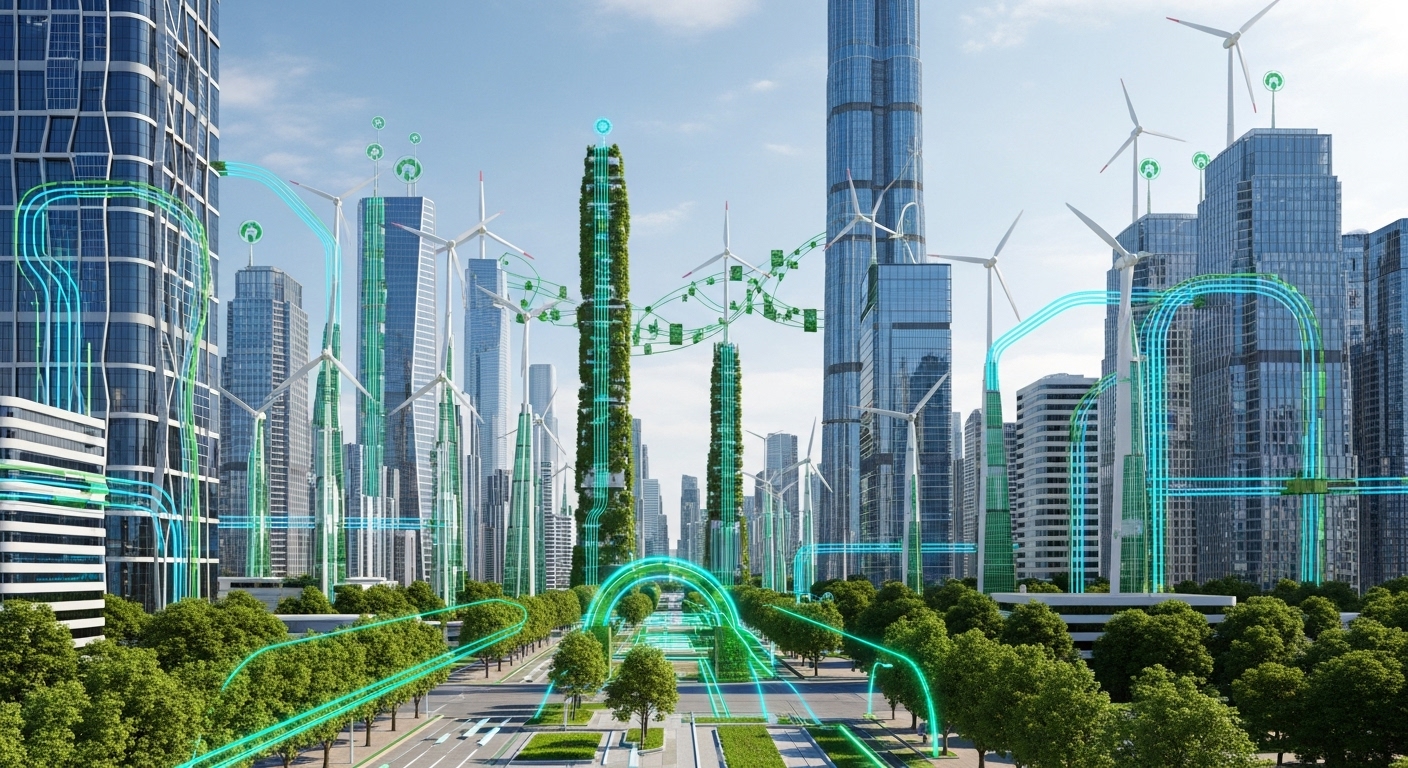
Technological innovation is critical in addressing climate change and sustainability. Solar power, wind energy, electric vehicles, energy storage, and smart grids are transforming energy production and consumption. Technology is enabling a shift toward greener, more efficient systems that reduce environmental impact.
Space Exploration and Technology
Space technology is advancing rapidly, with private companies and national space agencies pushing the boundaries of exploration. Satellite technology, space tourism, and plans for Mars colonization are making space a more accessible frontier. These advancements not only expand human knowledge but also drive innovation in materials, propulsion, and communication systems.
The Role of Education and Skill Development
As technology evolves, so must education and skill development. Traditional education systems are often slow to adapt to the changing demands of the workforce. Digital literacy, coding, AI understanding, data analysis, and cybersecurity skills are increasingly essential.
Online learning platforms, coding bootcamps, and professional certifications are bridging the gap. Lifelong learning is becoming the norm, with individuals continually updating their skills to remain relevant in a technology-driven world.
Ethical Considerations in Technology
With great power comes great responsibility. As technology becomes more integrated into our lives, ethical considerations become paramount. AI bias, data privacy, surveillance, and the social impact of automation are pressing concerns.
Ethical frameworks and regulations are being developed to guide the responsible use of technology. Organizations are implementing policies for transparency, accountability, and inclusivity. However, balancing innovation with ethical responsibility remains a complex challenge.
Technology and Society
Technology has profoundly shaped society, influencing culture, work, and personal interactions. Automation is changing the nature of jobs, requiring new skills and creating new industries. Social media impacts mental health, communication styles, and political discourse.
However, technology also empowers. It provides access to information, enables global collaboration, improves healthcare, and enhances quality of life. The key is to harness technology thoughtfully, ensuring it serves humanity rather than controlling it.
Challenges and Risks
Despite its benefits, technology comes with challenges and risks. Over-reliance on technology can lead to social isolation, decreased critical thinking, and privacy erosion. Cybercrime, misinformation, and digital addiction are real concerns.
Moreover, technological inequalities exist. Access to technology is not universal, leading to digital divides between regions, socio-economic groups, and generations. Ensuring equitable access is critical to maximizing the benefits of technology for all.
Conclusion: Embracing the Future
The future of technology is both exciting and uncertain. Innovations will continue to reshape every aspect of life, creating opportunities and challenges. From AI and IoT to space exploration and sustainable energy, technology promises to transform society in profound ways.
Embracing this future requires adaptability, ethical responsibility, and continuous learning. Individuals, businesses, and governments must collaborate to ensure that technology serves humanity’s best interests. By understanding, harnessing, and guiding technological innovation, we can create a future that is smarter, safer, and more connected than ever before.
In the end, technology is more than just tools and machines; it is an extension of human creativity and intelligence. Its potential is limitless, but its impact depends on how wisely we choose to use it.